Scream therapy: 10 Stephen King adaptations you probably haven’t watched – and should
Source Entity
Latest News: Todays Latest News Headlines from India & World | Hindustan Times | Hindustan Times
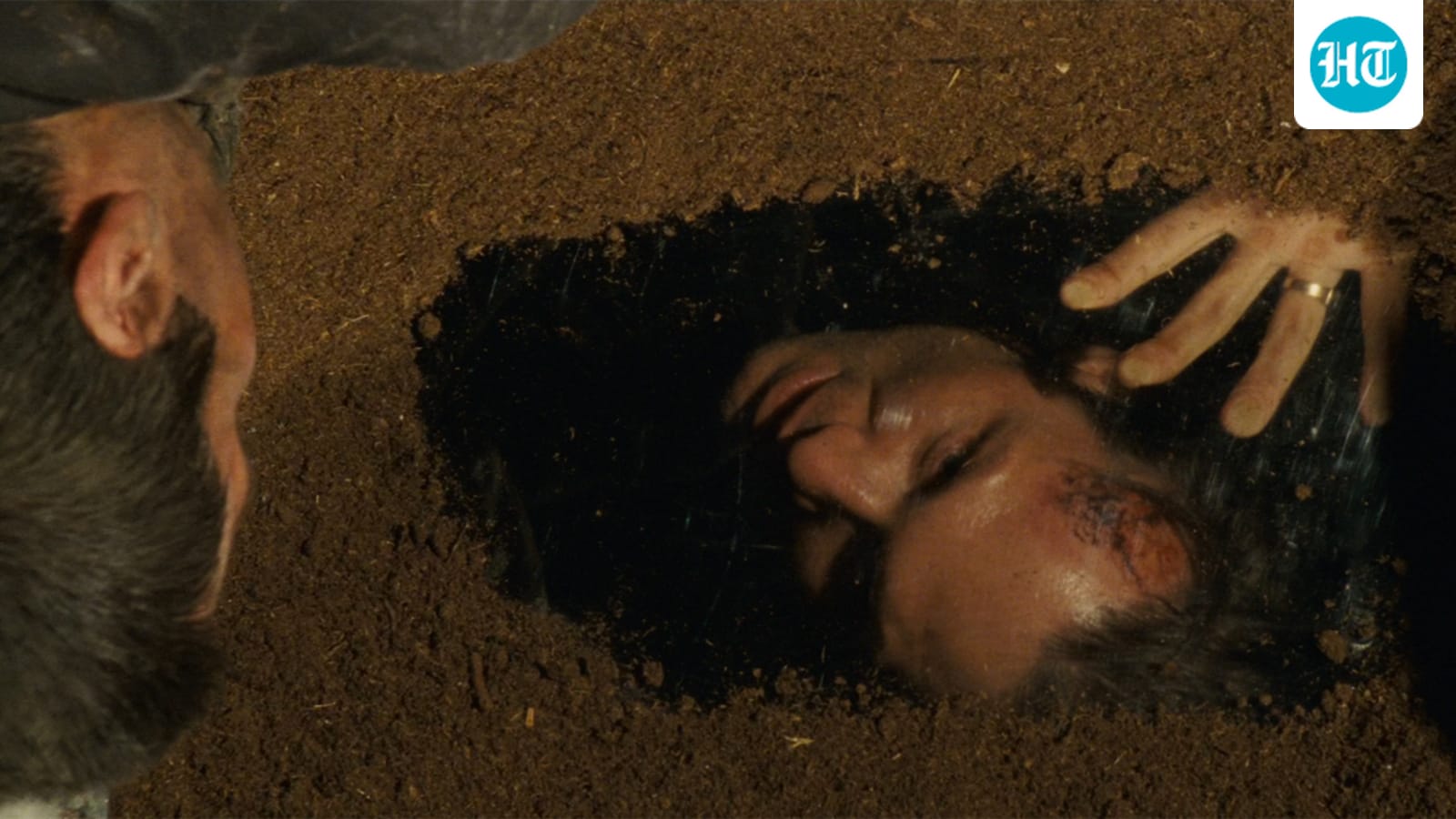
This analysis explores lesser-known Stephen King film adaptations that delve into themes of guilt, corruption, and the supernatural. It specifically highlights the 1997 film 'The Night Flier' as a prime example of King's ability to blend tabloid sensationalism with horror.
Unearthing the Shadows: Exploring Forgotten Stephen King Adaptations
Stephen King’s literary footprint is so expansive that his most popular cinematic adaptations—such as The Shining, It, or The Shawshank Redemption—often overshadow a vast reservoir of lesser-known works. These neglected films, while not always achieving mainstream acclaim, provide a crucial, deeper look into the thematic obsessions that define King’s body of work: the weight of loss, the persistence of guilt, and the slow, corrosive nature of human delusion.
The Anatomy of Consequence
At the heart of these overlooked tales lies the 'catastrophe of consequence.' Unlike traditional horror that relies solely on jump scares, these narratives focus on how ordinary people are forced to confront the corruption hidden within their own lives. These stories suggest that the true monsters are often not just the supernatural entities at the door, but the hidden flaws and secrets that characters have allowed to fester within their own psyches.
The Night Flier: A Study in Sensationalism and Horror
A standout in this category is the 1997 adaptation, The Night Flier. The film masterfully centers on Richard Dees, a ruthless reporter for a sensationalist tabloid. By positioning a predatory journalist as the protagonist, the story creates a compelling bridge between the real-world corruption of media ethics and the supernatural threat of a vampire—Dwight Renfield—who utilizes small airports to conduct his grisly business.
The Intersection of Truth and Myth
The Night Flier serves as a poignant critique of the observer. As Dees pursues the serial killer, his professional detachment is stripped away, forcing him to confront a reality that defies his cynical, tabloid-driven worldview. This mirrors a recurring King trope: the destruction of the rational, skeptical mind when faced with an undeniable, ancient evil that refuses to play by the rules of modern society.
Why These Stories Matter
These adaptations are essential for understanding the breadth of King's influence. By moving away from the blockbuster hits, viewers can appreciate how King uses horror as a diagnostic tool for the human condition. These films ask the difficult question of what a person owes to their loved ones when confronted with an existential threat, often revealing that the choices made in the face of such terror define the character’s ultimate fate.
Conclusion: A Legacy of Unease
Ultimately, the value of these lesser-known adaptations lies in their ability to circle the same psychological wounds as King's more famous works but from more obscure, unsettling angles. Whether through the lens of a tabloid reporter or the quiet delusions of ordinary people, these films prove that King’s most enduring power is his ability to find the monster hiding in the mundane.
Verification Required?