Fossilised red blood cells found in 115m-year-old dinosaur’s bone, say scientists
Source Entity
Ian Sample Science editor
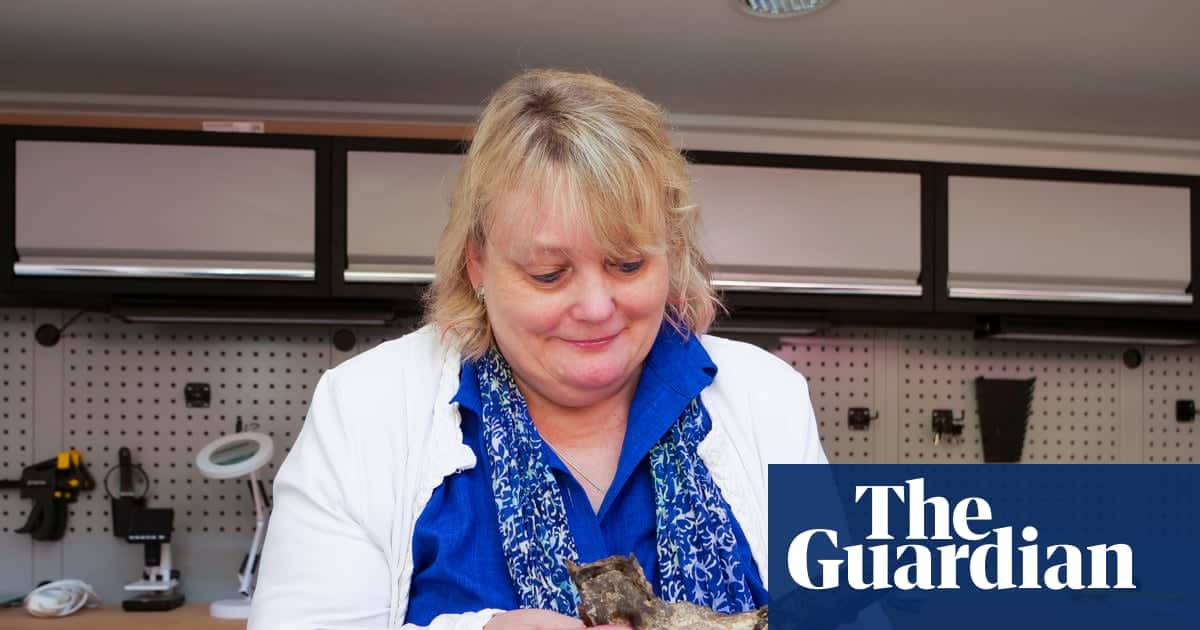
Scientists have identified potential fossilized red blood cells and heme in the 115-million-year-old bones of an Aratasaurus dinosaur from Brazil. This discovery, made via electron microscopy, offers a rare glimpse into the biological makeup of ancient theropods.
A Glimpse into Ancient Biology
Recent scientific investigations into the fossilized remains of the Aratasaurus, a small theropod that roamed modern-day north-eastern Brazil approximately 115 million years ago, have yielded a discovery that challenges our understanding of fossil preservation. Researchers examining the dinosaur's hind leg bones have identified structures that closely resemble red blood cells, nestled within the microscopic channels that once facilitated the creature's circulatory system.
The Role of Heme in Paleontology
Beyond the mere identification of cell-like structures, the study utilized advanced chemical testing to detect the presence of heme. Heme is the essential organic compound responsible for the crimson pigment of blood and plays a critical role in the function of hemoglobin, allowing for the transport of oxygen throughout the body. Detecting this molecule in a specimen dating back to the Early Cretaceous period is a significant achievement, as organic molecules are typically prone to rapid degradation over geological timescales.
Technological Advancements in Microscopy
The identification process relied heavily on high-resolution electron microscope imagery. By visualizing the fine channels within the bone structure, scientists were able to isolate small, round entities that mirror the morphology of vertebrate red blood cells. This level of detail provides researchers with unprecedented insights into the physiological capabilities of dinosaurs, potentially allowing for a better understanding of their metabolic rates and oxygen-carrying requirements.
Scientific Controversy and Skepticism
It is important to note that claims regarding the survival of soft tissue or organic molecules in fossils are often met with skepticism within the paleontological community. Historically, the preservation of biological soft tissue over millions of years has been considered nearly impossible due to microbial decay and chemical alteration. Consequently, these findings necessitate rigorous peer review and further validation to ensure that the observed structures are indeed biological remnants rather than mineralogical artifacts or contamination.
Broader Implications for Paleobiology
If these findings are corroborated, the implications for the field of paleontology are profound. The ability to analyze organic compounds like heme could shift the focus of dinosaur research from skeletal reconstruction to molecular biology. This could eventually allow scientists to build more accurate profiles of dinosaur physiology, moving us closer to understanding the internal systems of creatures that have been extinct for over a hundred million years.
Future Trends in Molecular Paleontology
The study of the Aratasaurus exemplifies the growing intersection between geology and molecular biology. As analytical techniques continue to improve, we can expect more frequent attempts to extract and identify organic signatures from ancient specimens. Future research will likely focus on refining the methods used to distinguish between genuine original biological material and subsequent environmental contaminants, setting a new standard for how we interpret the fossil record.