4 die after inhaling toxic gas inside well in Bihar's Gaya
Source Entity
Latest News: Todays Latest News Headlines from India & World | Hindustan Times | Hindustan Times
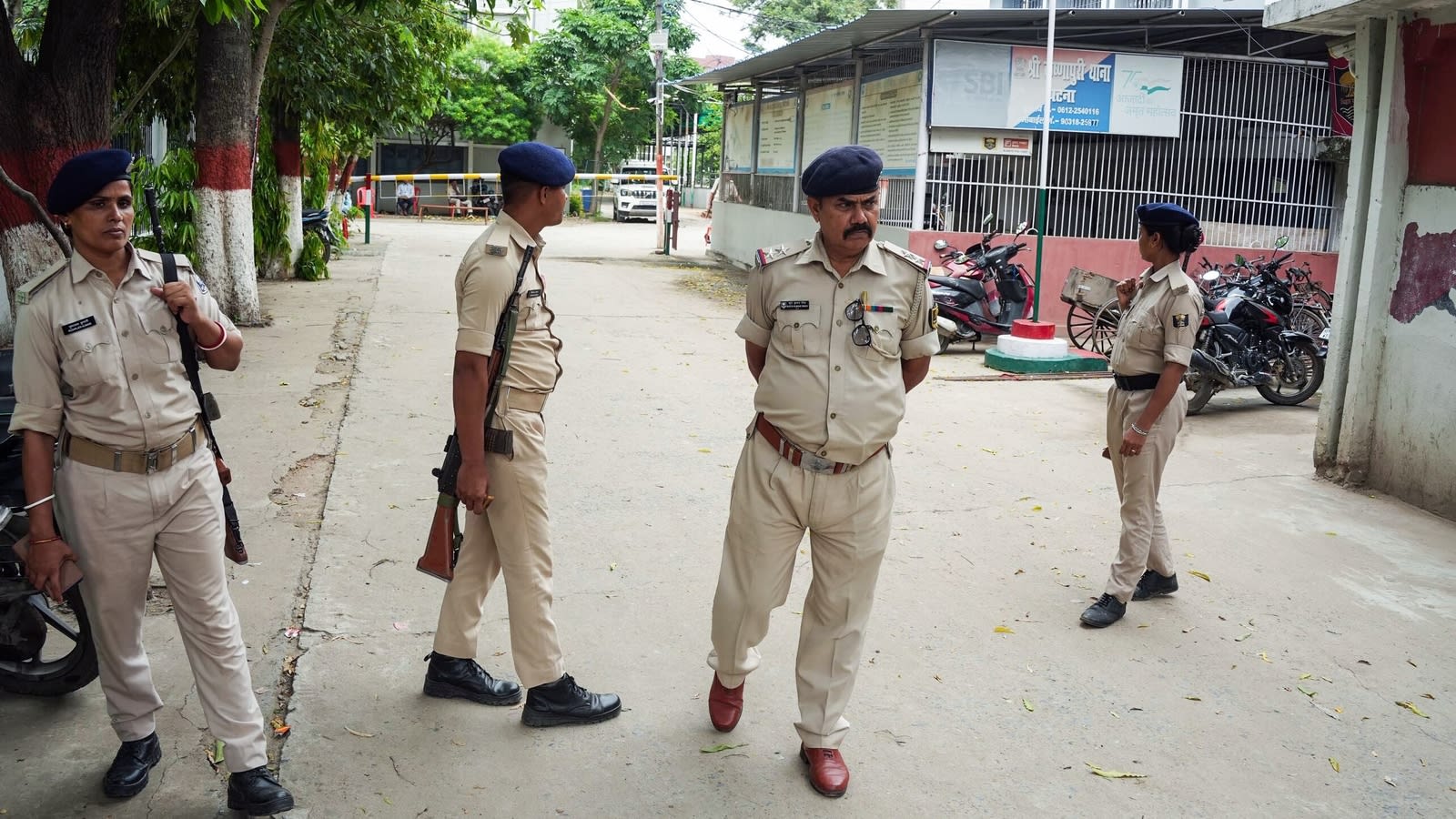
Four individuals tragically lost their lives after inhaling toxic gas while inside a well in Bihar's Gaya district. Local authorities have confirmed the identities of the deceased as the investigation into the incident continues.
Tragedy in Gaya: Toxic Gas Claims Four Lives
A devastating incident occurred in Garh Karmauni village, located within the Dobhi police station area of Bihar's Gaya district, where four individuals tragically lost their lives due to toxic gas inhalation. The victims, identified as Chamari Manjhi, his son Dilchand Manjhi, Vikas Chaudhary, and Vijay Chaudhary, reportedly succumbed after entering a well. This incident has once again brought to the forefront the severe risks associated with confined space entry in rural areas.
Understanding the Hazards of Confined Spaces
Wells, sewers, and other deep, confined underground spaces are notorious for the accumulation of hazardous gases. When organic matter decomposes in an oxygen-deprived environment, it often produces gases such as hydrogen sulfide, methane, and carbon dioxide. These gases are not only toxic but can also displace oxygen, leading to rapid asphyxiation for anyone entering the space. The lack of ventilation in such structures makes them death traps for unsuspecting individuals who may not be aware of the invisible threat lurking beneath the surface.
The Human Impact of the Tragedy
The loss of two members of the same family—Chamari Manjhi and his son Dilchand Manjhi—alongside Vikas and Vijay Chaudhary, highlights the profound communal impact of such accidents. In rural settings, community members often rely on traditional wells for water and maintenance tasks without the benefit of industrial-grade gas detection equipment or proper safety protocols. This reliance, while often born of necessity, carries significant risks when safety measures are unavailable or ignored.
Broader Implications and Safety Oversight
This tragedy in Gaya is not an isolated event. Similar incidents have been reported across India, including a recent case in Karnataka's Yadgir district, where a toxic gas leak at a pharma unit resulted in fatalities and critical injuries. These recurring events underscore a systemic failure in public awareness and the enforcement of safety standards regarding confined space entry. Whether in industrial or rural settings, the prevention of such deaths requires a concerted effort to educate the public on the dangers of toxic gases and the necessity of specialized equipment.
Future Trends and Preventive Measures
Moving forward, local administrations must prioritize the installation of warning signs and provide training for rural residents on the dangers of deep, enclosed structures. Infrastructure projects aimed at providing clean, piped water can also reduce the necessity for individuals to manually enter dangerous wells. By addressing the root causes through better infrastructure and rigorous safety education, authorities can hope to prevent similar tragedies from unfolding in the future.
Conclusion
In summary, the deaths in Garh Karmauni serve as a somber reminder of the hidden dangers present in everyday infrastructure. As the investigation into the specific circumstances surrounding this incident proceeds, it is imperative that officials take proactive steps to ensure that such avoidable tragedies are minimized through education, better safety practices, and improved rural infrastructure.
Verification Required?