Framework gave its 12-inch laptop some hardware upgrades
Source Entity
Jess Weatherbed
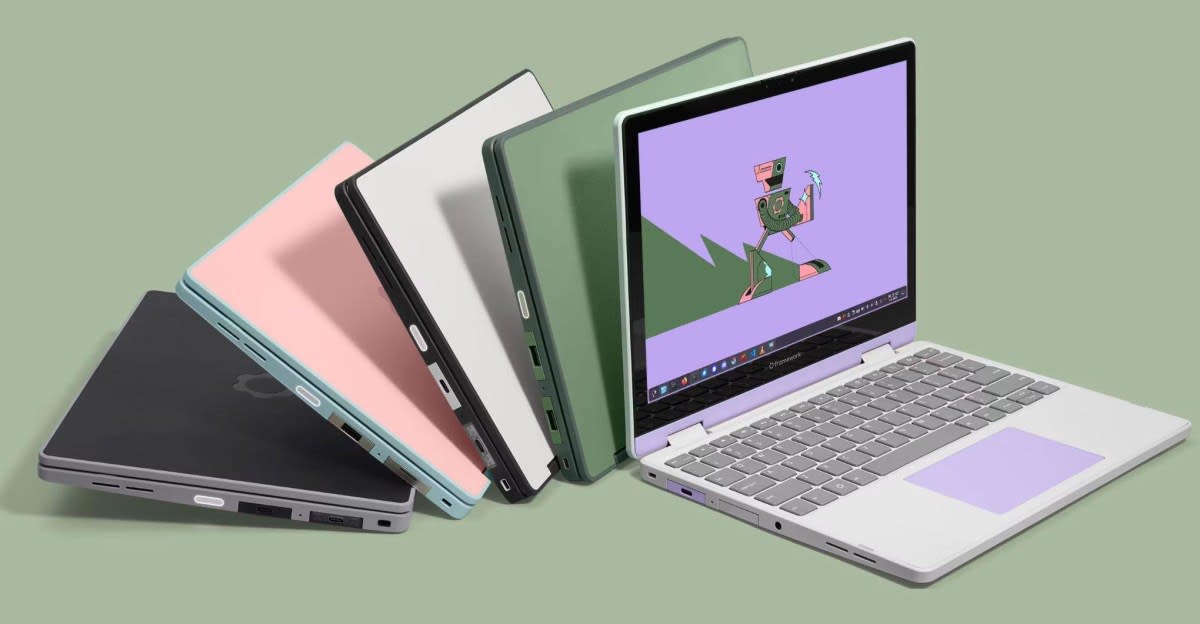
Framework has refreshed its 12-inch convertible laptop with Intel Core Series 3 processors and a lower entry price while addressing reports of BIOS-related system failures on older AMD-based units. The company is actively managing these hardware challenges by replacing out-of-warranty mainboards to maintain consumer trust.
Framework's Strategic Evolution: Performance Upgrades and Market Positioning
Framework has officially refreshed its 12-inch convertible laptop, marking a significant step in the company's commitment to modular, repairable hardware. By integrating Intel’s latest Core Series 3 processors, the company is ensuring that its smallest form factor remains competitive in a market that increasingly demands high efficiency and performance-per-watt. The inclusion of expanded hardware customizations further solidifies Framework’s unique value proposition: allowing users to tailor their devices to specific needs rather than adhering to rigid, manufacturer-defined configurations.
Accessibility and the Linux Pivot
A noteworthy development in this refresh is the aggressive pricing strategy. The base configuration now starts at $699, representing a $100 reduction from last year’s launch price. This move is clearly aimed at broadening the company's demographic, making modular computing more accessible to students and budget-conscious professionals. Furthermore, the decision to offer a pre-built Linux Fedora 44 KDE Plasma configuration is a direct response to user data, as Framework reports that nearly 80 percent of its 12-inch laptop owners already utilize various Linux distributions. This move aligns the product offering with the actual behavior of its core user base.
Addressing Technical Setbacks: The BIOS Crisis
While the company pushes forward with new hardware, it is simultaneously managing a significant technical hurdle regarding its existing AMD-based inventory. Reports have surfaced that a June 2026 BIOS update (version 3.20) for the Framework Laptop 13, intended to support new features like haptic touchpads and speaker upgrades, has been causing some systems to become non-functional, or "bricked." This situation highlights the inherent risks in the modular ecosystem, where firmware updates must account for a wide variety of hardware configurations.
Corporate Responsibility and Customer Support
Framework’s response to the BIOS-related issues has been proactive, with the company confirming it is replacing affected mainboards, even for those that are out of warranty. This decision is critical for maintaining brand loyalty within a community that prizes transparency and longevity. By taking accountability for the faulty update, Framework distinguishes itself from larger OEMs that might otherwise hide behind restrictive warranty policies during widespread technical failures.
The Future of Modular Computing
The intersection of hardware refreshes and emergency support measures underscores the challenges of the "Right to Repair" philosophy. As Framework continues to innovate—balancing the rollout of new Intel-based machines with the remediation of AMD-based failures—the company is effectively acting as a test case for the viability of modular consumer electronics. Moving forward, the success of the brand will likely depend on its ability to streamline firmware quality assurance while maintaining the flexibility that has defined its reputation in the tech industry.