In France, protest is also about the right to protest
Source Entity
Fanny Schobert
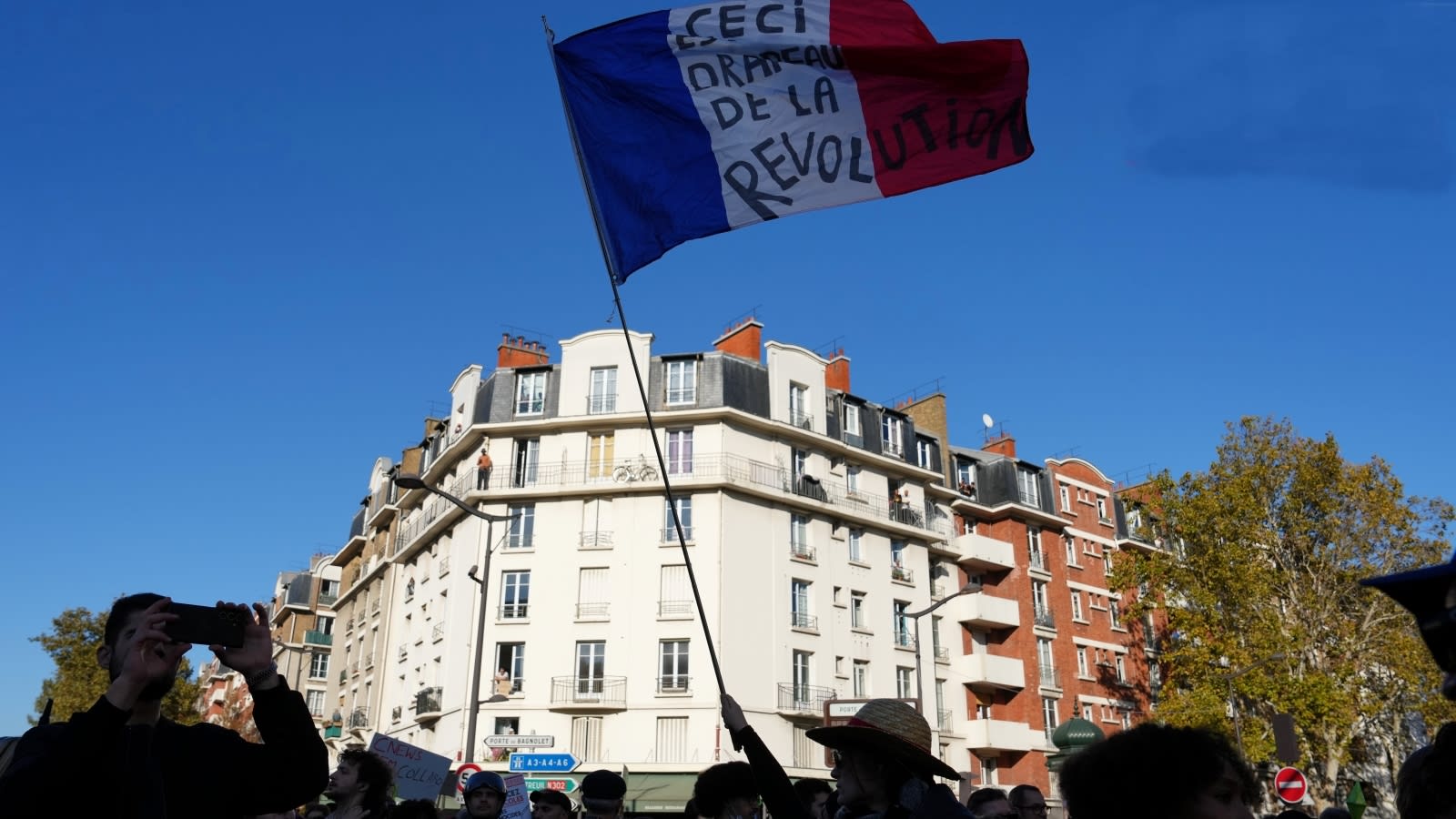
Protests in Montpellier highlight a growing tension between citizens and state authority in France. Demonstrators are citing historical revolutionary traditions to challenge the government's decision to ban public gatherings.
The Roots of Dissent: Montpellier’s Protest Movement
The recent scenes in Montpellier, where tramway tracks remain idle and police presence dominates the city center, serve as a potent microcosm of the broader social unrest currently gripping France. Despite official bans on demonstrations, citizens—including young activists—continue to gather, signaling a profound disconnect between the state’s security apparatus and the public’s perceived right to dissent. This friction is not merely about specific policy grievances but points to a deeper crisis of legitimacy regarding how the government manages public discourse and civil liberties.
Invoking Revolutionary Heritage
Central to the current defiance is the symbolic invocation of Article 35 of the 1793 Declaration of the Rights of Man and of the Citizen. By suggesting that insurrection is a duty when a government violates the rights of its people, protesters are reaching back to the foundational bedrock of the French Republic. While legal experts note that this historical document lacks modern constitutional authority, its cultural weight remains immense. It highlights a recurring theme in French political history: the belief that the ultimate sovereignty of the nation resides with the people, not the legislative body.
From Classroom to Street
What began in September as a localized movement by secondary-school students has evolved into a broader critique of state administration. Initially, the students’ demands were concrete: more teachers, improved school facilities, and equitable educational resources. These grievances regarding classroom conditions reflect a wider dissatisfaction with the systemic distribution of public services. When the state responds to these demands with administrative bans rather than structural reform, the focus of the protesters naturally shifts from specific educational needs to the broader principle of the right to protest itself.
The Security-Dissent Paradox
The deployment of police across Montpellier to enforce protest bans creates a paradox. By attempting to suppress the visible expression of grievances, the government inadvertently validates the protesters' claims that their democratic rights are being curtailed. This strategy of containment, while intended to maintain order, often serves to radicalize the discourse, turning localized school protests into a symbol of state overreach. The suspension of tramway services and the heavy police presence reflect a state that views public assembly as a security threat rather than a standard democratic function.
Future Trends and Societal Implications
Looking ahead, the tension in France suggests that the government will face increasing difficulty in silencing grassroots movements that view themselves as the heirs to a revolutionary tradition. As long as the underlying issues—such as educational inequality and the perceived lack of government responsiveness—remain unaddressed, the cycle of protests and state intervention is likely to persist. The challenge for the French state will be to reconcile its need for public order with the long-standing cultural expectation that the streets remain a legitimate venue for political engagement.
Conclusion
The situation in Montpellier is a stark reminder that in France, protest is not just a tactic; it is an identity. By drawing on 18th-century philosophy to address 21st-century educational failings, demonstrators are challenging the government to reconsider its role in a democratic society. The outcome of these protests will likely hinge on whether the authorities choose to engage with the substantive grievances of the youth or continue to rely on the enforcement of bans, which only serves to deepen the divide between the state and its citizens.