Frontier Airlines to debut in-flight Wi-Fi in 2027 with SpaceX's Starlink
Source Entity
US Top News and Analysis
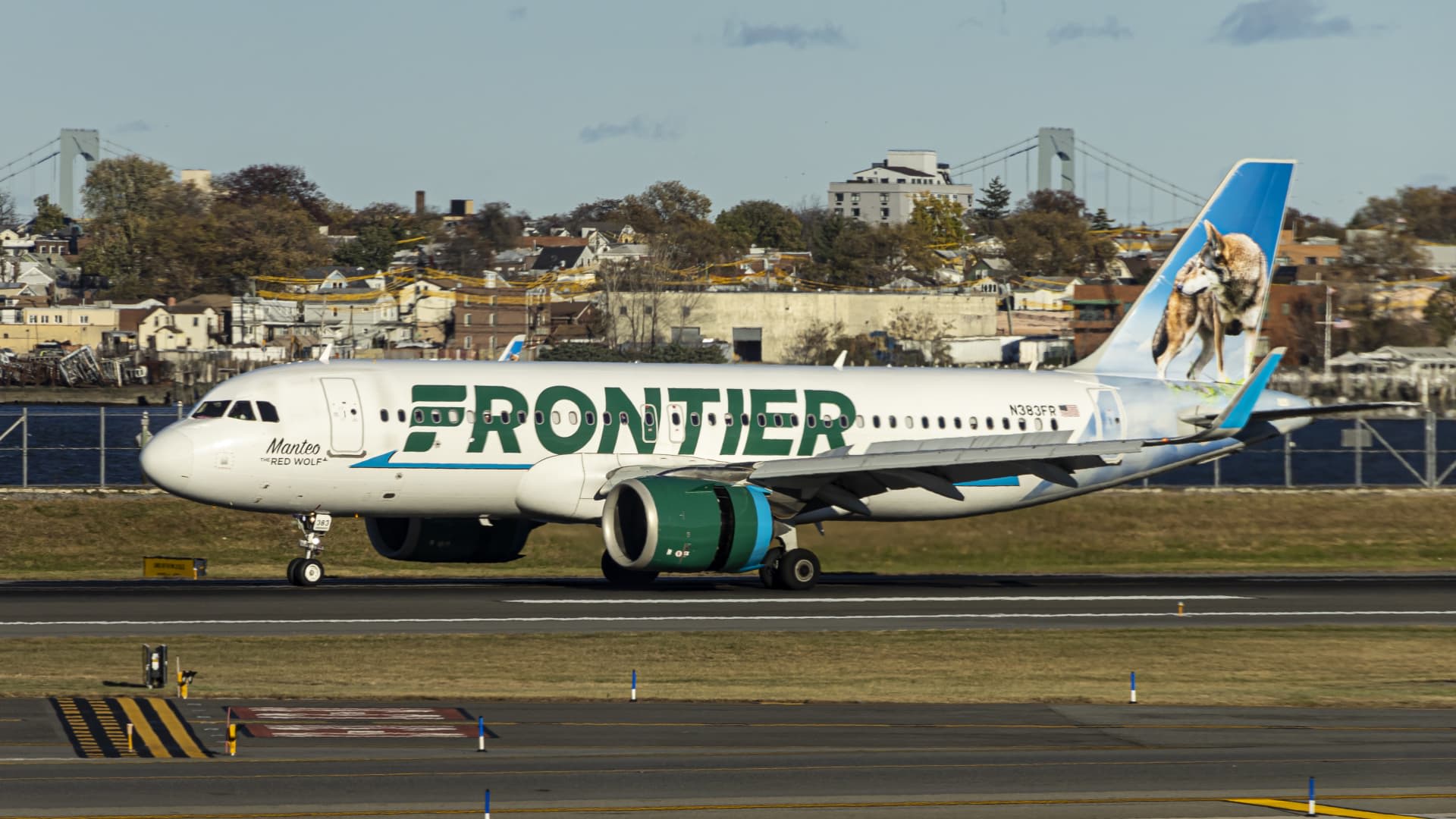
Frontier is signing with Starlink for in-flight Wi-Fi, with service debuting as early as next year.
Frontier Airlines Embraces the Space Age: The Starlink Integration
Frontier Airlines, known for its ultra-low-cost carrier (ULCC) model, is taking a significant leap forward in passenger experience by partnering with SpaceX's Starlink to provide in-flight Wi-Fi. This move signals a shift in how budget airlines view connectivity—moving it from a luxury amenity to a core component of the modern travel experience. While the rollout is slated for 2027, the partnership highlights a broader industry trend where aerospace and telecommunications converge to eliminate the "dead zones" of air travel.
The Technological Shift: LEO vs. Traditional Satellite Internet
To understand the impact of this move, one must analyze the difference between traditional satellite internet and Starlink's Low Earth Orbit (LEO) constellation. Most legacy in-flight Wi-Fi systems rely on geostationary (GEO) satellites orbiting approximately 22,000 miles above Earth, which often results in high latency and sluggish speeds, making video streaming or real-time communication nearly impossible. In contrast, Starlink's satellites orbit much closer to the planet, drastically reducing latency and providing speeds comparable to ground-based broadband. For Frontier passengers, this means a transition from basic text-based messaging to high-definition streaming and seamless cloud connectivity.
Strategic Alignment with the ULCC Business Model
Frontier operates on a strictly "unbundled" pricing strategy, where passengers pay only for the core seat and purchase additional amenities a la carte. The introduction of Starlink Wi-Fi fits perfectly into this ancillary revenue model. By offering high-speed internet as a paid add-on, Frontier can create a new, high-margin revenue stream without significantly increasing its operational overhead. This allows the airline to maintain its low base fares while catering to the growing demographic of "digital nomads" and business travelers who cannot afford to be offline during transit.
Competitive Landscape and Industry Pressure
This partnership is not happening in a vacuum. The aviation industry is currently witnessing a "connectivity arms race." Other major carriers and regional airlines are already integrating Starlink or competing systems like Viasat and Intelsat to attract tech-savvy travelers. By securing a deal with SpaceX, Frontier ensures it does not fall behind its low-cost competitors. As high-speed internet becomes a standard expectation rather than a perk, Frontier is positioning itself to remain competitive in a market where the quality of the "on-board experience" can influence customer loyalty even in the budget sector.
Implementation Challenges and the 2027 Timeline
The gap between the announcement and the 2027 debut reflects the immense logistical challenge of retrofitting an entire fleet. Installing Starlink hardware requires specialized antennas and modifications to the aircraft's fuselage to ensure aerodynamic integrity and safety compliance. Each aircraft must undergo rigorous testing and certification by aviation authorities (such as the FAA). The staggered rollout suggests that Frontier will likely prioritize its newest aircraft or specific high-traffic routes before expanding the service across its entire network.
Conclusion: The Future of Connected Skies
Frontier's partnership with Starlink is more than just a technical upgrade; it is a strategic evolution. By bridging the gap between budget travel and high-end connectivity, Frontier is redefining the value proposition of the ultra-low-cost carrier. As we move toward 2027, this integration will likely serve as a blueprint for other budget airlines, proving that cost-efficiency and cutting-edge technology can coexist. The result will be a more connected aviation ecosystem where the sky is no longer a barrier to global productivity.