"Sub-Standard": Everest, Laljee Godhoo Banned From Selling Hing Powder
Source Entity
NDTV News Search Records Found 1000
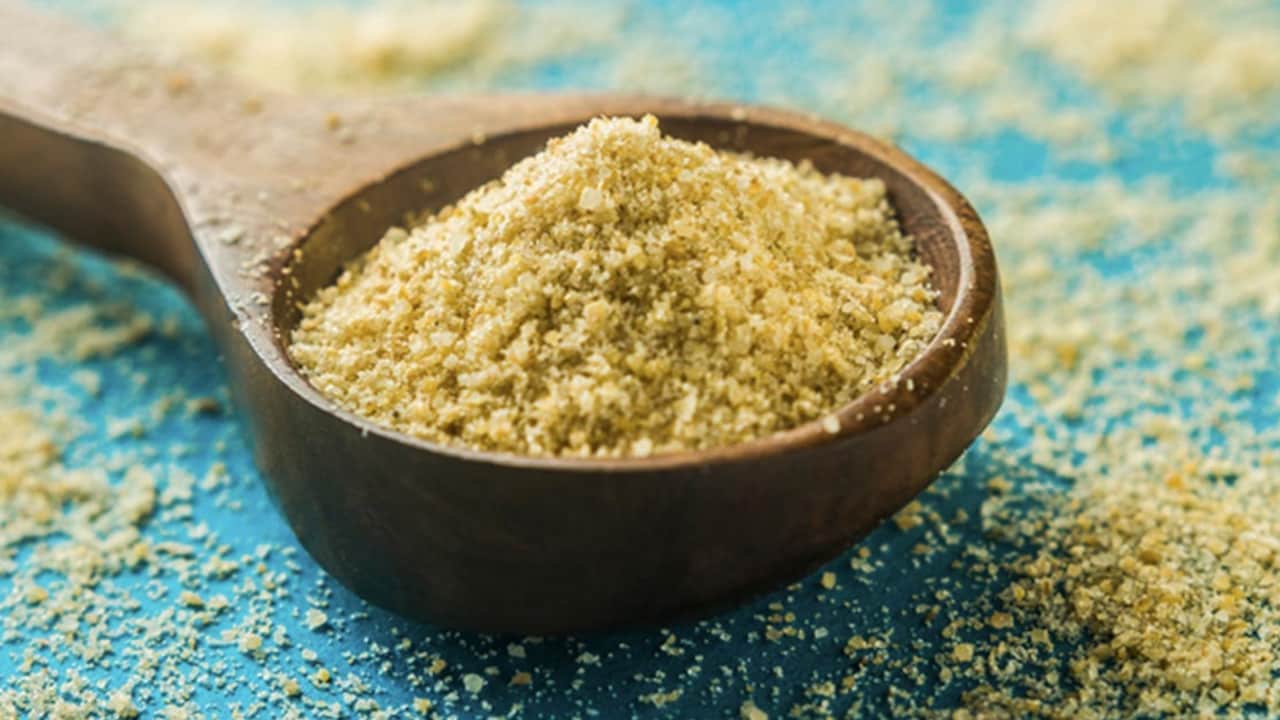
The FSSAI has banned Everest Food Products and Laljee Godhoo and Company from selling specific hing powder products due to sub-standard quality and mislabeling. These companies must now submit corrective action plans to ensure future compliance with food safety regulations.
FSSAI Cracks Down on Spice Giants: The Hing Quality Crisis
In a significant move to reinforce food safety standards, the Food Safety and Standards Authority of India (FSSAI) has issued immediate prohibition orders against two prominent spice manufacturers: Everest Food Products Pvt Ltd and Laljee Godhoo and Company. The regulatory body found that the companies’ compounded asafoetida, commonly known as 'hing,' failed to meet the mandatory quality benchmarks required for market consumption. This intervention highlights the FSSAI’s ongoing commitment to ensuring that kitchen staples meet rigorous safety and purity standards.
The Nature of the Violations
The core of the issue lies in the failure of the sampled products to meet the prescribed 'alcohol-soluble extract' requirements. For a product as ubiquitous as hing, which is a staple in Indian culinary practices, the chemical composition is strictly regulated to ensure consumers receive the expected potency and purity. In the case of Everest, some samples allegedly recorded a zero percent extract value, rendering them fundamentally non-compliant. Furthermore, the FSSAI identified instances of 'misbranding,' where the labeling on these products did not accurately reflect the contents or quality of the powder within.
Historical Context and Growing Scrutiny
This is not the first time Everest Food Products has faced regulatory scrutiny. Earlier reviews have highlighted issues with other masala products, suggesting a broader pattern of non-compliance that the FSSAI is now aggressively addressing. As the Indian food market matures, the regulator has shifted from a reactive stance to a more proactive enforcement model, utilizing social media and public notices to hold major players accountable. This shift is essential to maintain consumer trust in a market where food adulteration remains a persistent public health concern.
Implications for the Indian Food Industry
For the industry at large, these prohibition orders serve as a stern warning. Companies operating in the spice and seasoning sector are now under heightened pressure to audit their supply chains and manufacturing processes. The requirement for Everest and Laljee Godhoo to provide 'corrective action plans' indicates that the FSSAI is not merely interested in temporary bans but is demanding systemic changes. Failure to rectify these issues could lead to further legal repercussions or long-term damage to brand reputation.
Future Trends and Consumer Impact
Looking ahead, it is likely that the FSSAI will continue to intensify its surveillance of processed food items. As consumers become more health-conscious and label-literate, the demand for transparency will drive further regulatory oversight. The immediate ban on Everest’s hing variants signals that the regulator is willing to disrupt the supply chain of even the most established brands to protect public health. Moving forward, manufacturers will need to prioritize rigorous internal quality control to avoid the significant operational and reputational costs associated with such high-profile regulatory interventions.
Multiple Citing Sources
Verification Required?