The mouse that roared: How Vietnam beat China and India in the export game
Source Entity
CHIDANAND RAJGHATTA
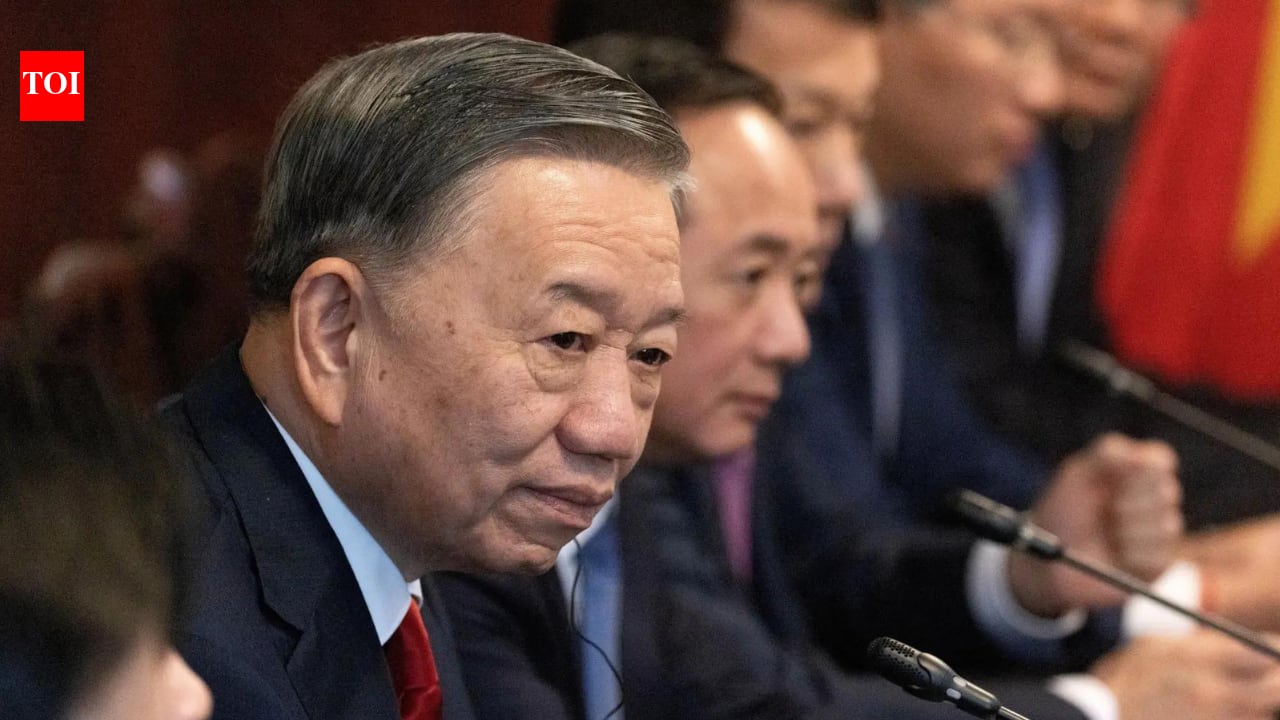
Vietnam has emerged as a top U.S. trade partner, currently recording a massive $114 billion trade surplus in early 2026. This shift marks a historic transformation for the nation as it overtakes global giants like China and Mexico in exports to the American market.
The Ascent of Vietnam: A New Economic Titan
Fifty years after the conclusion of the Vietnam War, the geopolitical and economic relationship between Vietnam and the United States has undergone a profound metamorphosis. Once defined by conflict, the current dynamic is defined by commerce. Vietnam has achieved a historic milestone, securing the largest trade surplus with the United States—an impressive $114 billion in the first half of 2026 alone. This achievement places the nation ahead of traditional manufacturing powerhouses such as China, Mexico, and Taiwan, signaling a major realignment in global supply chains.
From Conflict to Commerce
The transformation of Vietnam from a war-torn nation into a manufacturing juggernaut is a testament to its strategic economic reforms. For decades, the country lived in the shadow of its neighbor, China, struggling to establish itself as a viable alternative for global investment. However, by fostering an environment conducive to international trade and leveraging its population of 100 million, Vietnam has successfully pivoted from a post-war recovery phase to becoming a central pillar of the American import ecosystem.
Outpacing Global Giants
In 2025, Vietnam trailed behind China and Mexico, which held trade surpluses of $202 billion and $197 billion respectively. The rapid acceleration in 2026 suggests that Vietnam is not merely participating in the global market but is actively capturing market share from its larger competitors. This shift is reflective of a broader 'China Plus One' strategy adopted by many multinational corporations seeking to diversify their manufacturing footprints to mitigate risks associated with over-reliance on a single geographic market.
Geopolitical Implications
The rise of Vietnam as a primary exporter to the U.S. has significant implications for global trade policy. As Washington seeks to recalibrate its economic dependencies, Vietnam has emerged as a critical partner. This relationship is particularly striking given the historical context of the Vietnam War, proving that economic integration can transcend past animosity. The shift also forces a re-evaluation of how emerging economies can navigate the tension between regional neighbors and global superpowers.
Future Trends and Sustainability
Looking ahead, Vietnam’s trajectory suggests it is on track to become the world’s top exporter to the U.S. if current trends persist. However, sustaining this growth will require the country to manage infrastructure demands, labor force scaling, and potential scrutiny regarding trade imbalances. As the nation continues to integrate deeper into the American market, it will likely face new challenges related to regulatory compliance and the need to move up the value chain from basic manufacturing to high-tech production.
Conclusion
Vietnam’s current economic status as the leading trade surplus partner with the United States is a historic anomaly that has become a new reality. By successfully navigating the complexities of post-war reconstruction and global economic integration, Vietnam has established itself as an indispensable link in the modern world economy. The nation's ability to outperform giants like China and Mexico serves as a case study in the power of strategic economic development and international cooperation.