G7 Nations To Release 100 Million Barrels Of Oil, Diesel As Prices Soar
Source Entity
NDTV News Search Records Found 1000
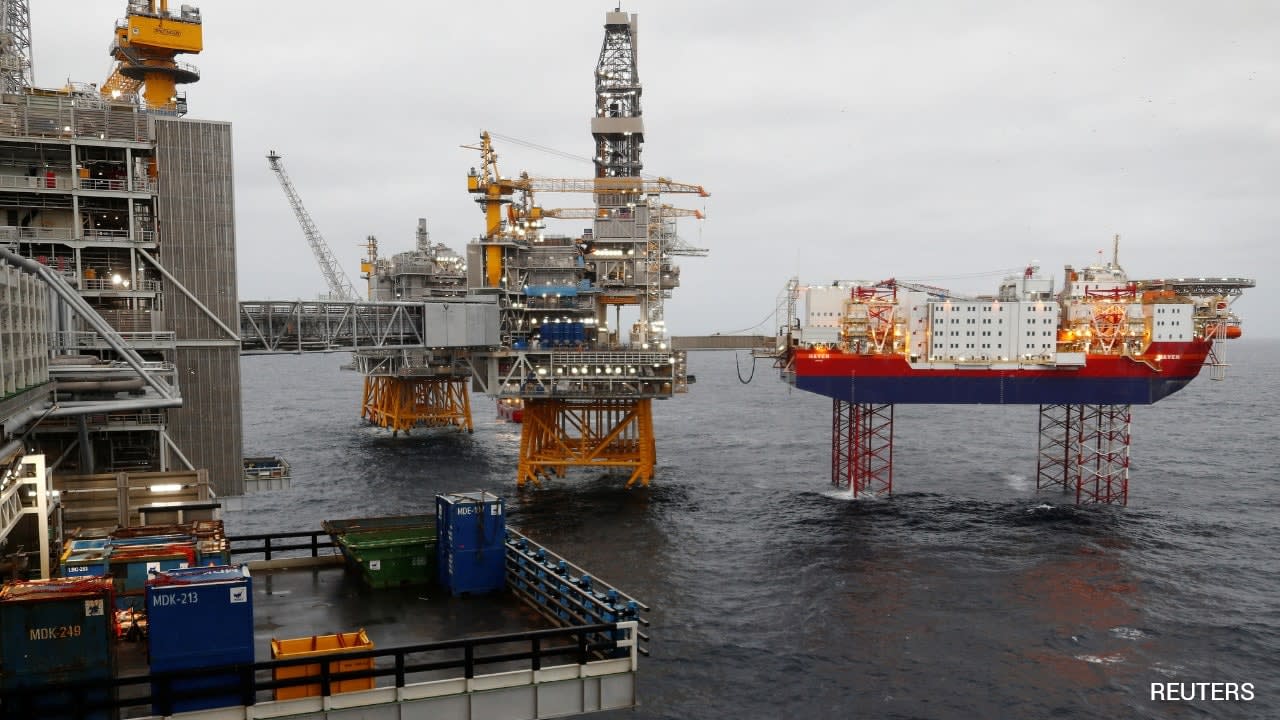
G7 nations have agreed to release 100 million barrels of oil and diesel reserves to combat record fuel prices amid the conflict with Iran. This coordinated action, facilitated by the IEA, follows intense pressure from the Trump administration and has caused global oil prices to drop significantly.
Global Energy Markets React to Coordinated Reserve Release
Global energy markets experienced a sharp correction this week as Brent crude futures dropped below the $100 per barrel mark, falling over 3% in response to a significant geopolitical shift in energy policy. The market volatility follows the announcement that G7 nations have reached a consensus to release 100 million barrels of oil from their strategic reserves over the next four months. This intervention is a direct response to the escalating fuel-shock currently impacting the United States and international markets, exacerbated by the ongoing war with Iran.
The Catalyst: Diplomatic Pressure and Export Bans
The move towards a coordinated release was not spontaneous; it was the culmination of aggressive diplomatic maneuvering. Reports indicate that the Trump administration exerted substantial pressure on European Union member states to address the global supply shortage. This pressure was underscored by threats from the U.S. to implement a total ban on diesel exports to Europe. Faced with the prospect of severe supply chain disruptions, European leadership moved to initiate a French-led proposal to release diesel stockpiles, aiming to stabilize prices that had reached record highs.
Strategic Implementation via the IEA
The International Energy Agency (IEA) has been tapped to coordinate the release, ensuring that the 100 million barrels are distributed effectively across the global market. A critical component of this strategy is the "front-loading" of the supply, with a substantial portion of diesel reserves slated for release within the first 20 days. By flooding the market with these reserves immediately, the G7 hopes to provide an instant cushion against the volatility currently plaguing the energy sector.
Impact on Domestic and International Pricing
The immediate market reaction was a swift decline in commodity prices. U.S. West Texas Intermediate (WTI) futures saw an even steeper decline than Brent, falling 4% to $89.18 per barrel. This price suppression is vital for the U.S. economy, as high fuel costs have become a central issue ahead of the upcoming midterm elections. The administration’s focus on lowering domestic prices through international cooperation reflects the high stakes involved in managing energy inflation during an active conflict.
Future Trends and Geopolitical Risks
Looking ahead, the sustainability of these price reductions remains contingent on the duration of the war with Iran and the actual replenishment rates of these strategic reserves. While the current release provides a necessary stopgap, it does not address the underlying structural supply constraints caused by the conflict. Experts suggest that if the war continues to disrupt regional production, the G7 may face further pressure to extend the release period or seek alternative energy sources to prevent another surge in costs. For now, the market is finding temporary relief in this high-level policy intervention, though long-term stability remains elusive.
Multiple Citing Sources
Verification Required?