Trump threatens to ‘finish off Iran,’ sells Americans cheaper diesel dream before midterms
Source Entity
Latest News: Todays Latest News Headlines from India & World | Hindustan Times | Hindustan Times
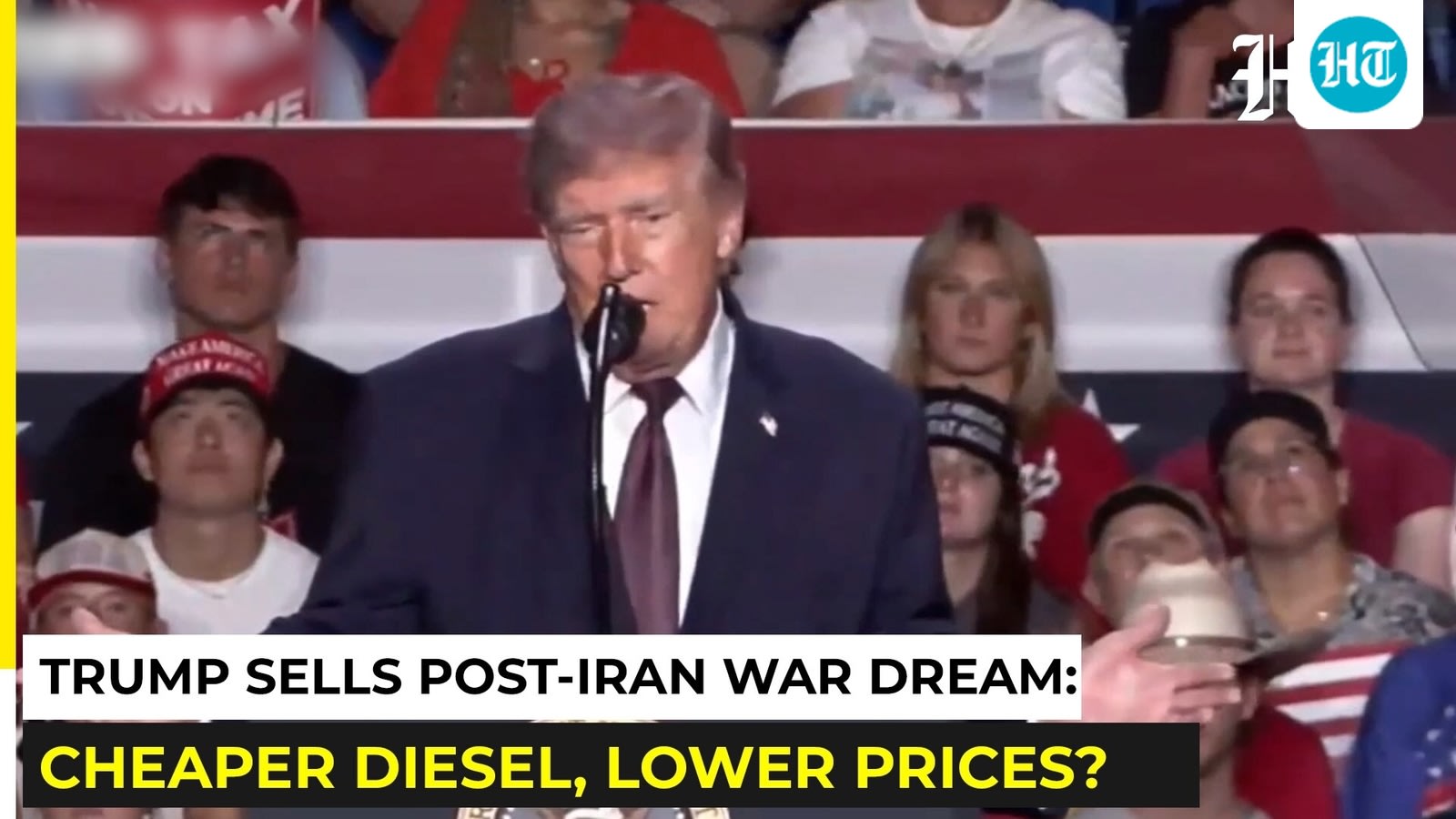
G7 nations have agreed to release 100 million barrels of oil and diesel from strategic reserves to combat surging fuel prices. This coordinated effort follows intense pressure from the Trump administration and comes amid global supply shortages linked to the war with Iran.
Global Energy Markets Respond to Coordinated Strategic Reserve Release
Global energy markets experienced a significant downturn on Friday as Brent crude futures dropped below the $100 per barrel threshold, falling 3.1% to $99.13. Simultaneously, U.S. West Texas Intermediate (WTI) futures saw a steeper decline of 4%, settling at $89.18. This market correction follows the announcement that G7 nations have reached a consensus to release 100 million barrels of oil from national reserves over a four-month period, a move designed to stabilize volatile fuel markets.
The Geopolitical Catalyst: Pressure and Diplomacy
The decision to tap into strategic stockpiles follows significant diplomatic friction between the United States and European allies. Reports indicate that the Trump administration exerted considerable pressure on European Union member states to address the global supply shortage. This tension was exacerbated by threats from the U.S. to implement a potential ban on diesel exports to Europe, a move that would have severely crippled the continent’s already strained energy infrastructure. In response, France spearheaded a proposal for a coordinated release of diesel reserves to mitigate the risk of a total supply chain rupture.
Impact of the War with Iran
The current energy crisis is inextricably linked to the ongoing war with Iran, which has created massive uncertainty and supply constraints in the Middle East—a region critical to global oil flows. As diesel prices surged to record highs, the resulting inflationary pressure began to threaten the economic stability of Western nations. The G7-led initiative, coordinated through the International Energy Agency (IEA), includes a "frontloaded" substantial release of diesel within the first 20 days to immediately address the acute shortage.
Strategic Implications for the U.S. and Europe
For the United States, the timing of this intervention is critical, particularly as the country navigates the period leading up to the midterms. High fuel costs have become a central political liability, and the administration’s aggressive stance on export bans underscores the urgency of lowering domestic pump prices. For Europe, the agreement serves as a necessary buffer, allowing leaders to manage their internal stockpiles while avoiding the catastrophic economic consequences of a complete loss of U.S. diesel imports.
Future Trends and Market Outlook
Looking ahead, the effectiveness of this 100-million-barrel release will depend on how quickly the IEA can integrate these supplies into the global market. While the immediate market reaction was a sharp decline in prices, the long-term outlook remains tethered to the duration of the conflict with Iran and the ongoing stability of refining operations, such as the Torrance Refining Company in California. If supply chain disruptions persist beyond the four-month release window, policymakers may face the difficult choice of further depletion of strategic reserves or accepting sustained high energy costs. Markets will likely remain highly reactive to any further diplomatic developments regarding the conflict or additional changes to export policies.
Multiple Citing Sources
Verification Required?