Microsoft executive Ryan Roslansky leaves company: Read Satya Nadella's memo
Source Entity
TOI TECH DESK
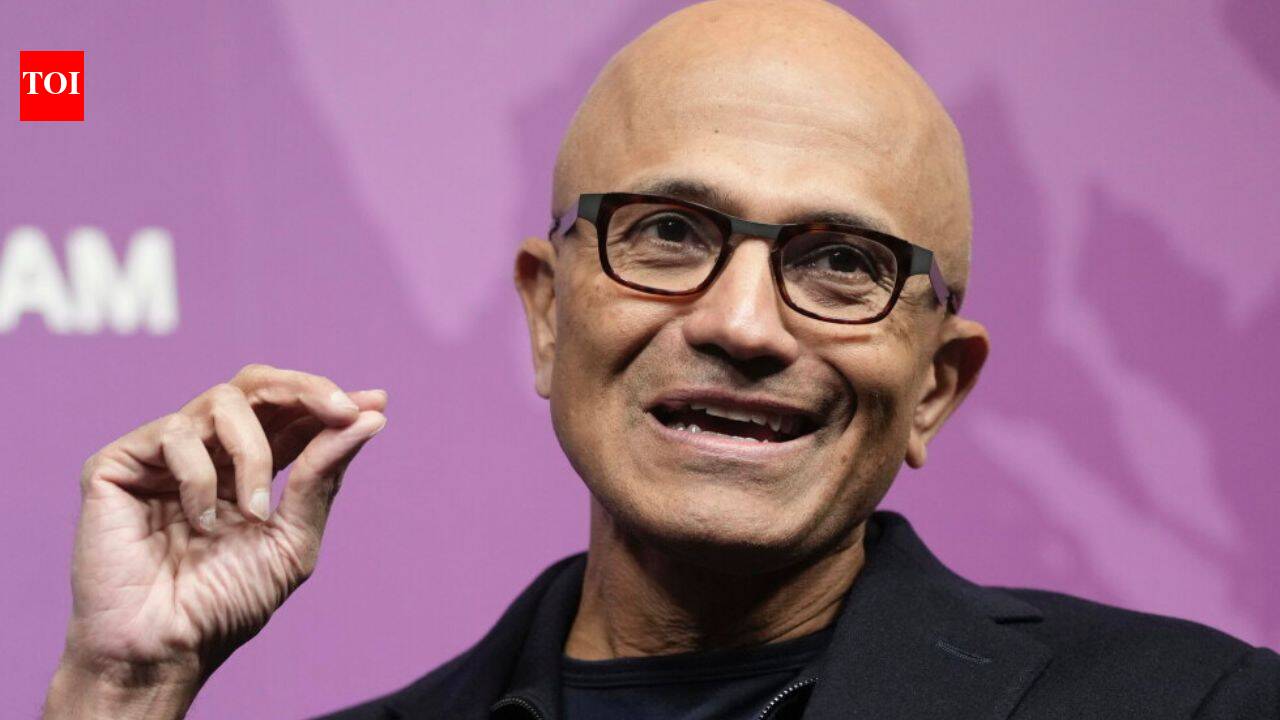
LinkedIn CEO Ryan Roslansky will depart Microsoft at the end of 2026 after 18 years of service. His tenure saw the professional network grow from 700 million to 1.3 billion users under his leadership.
Transition at the Helm: Ryan Roslansky to Depart Microsoft
Microsoft has officially announced that Ryan Roslansky, the long-standing executive and current CEO of LinkedIn, will be stepping down from his position at the end of 2026. This departure marks the end of an 18-year tenure, a period that saw Roslansky evolve from a key product leader into the chief executive of the world's largest professional networking platform. The announcement, conveyed through a memo from Microsoft CEO Satya Nadella, highlights a significant shift in the company's executive leadership structure.
A Legacy of Exponential Growth
Roslansky’s impact on LinkedIn has been profound, particularly during his time as CEO since 2020. Under his strategic guidance, the platform witnessed a period of unprecedented expansion, with membership figures climbing from 700 million to a staggering 1.3 billion users. This growth trajectory underscores his ability to scale digital ecosystems and maintain user engagement, cementing LinkedIn's status as an indispensable tool for global professional networking and recruitment.
The Historical Context of His Tenure
Having joined LinkedIn in 2009 as product chief, Roslansky played a pivotal role in shaping the platform's features long before Microsoft’s acquisition. His transition from product innovation to top-level executive management reflects the internal growth often seen in tech giants that prioritize long-term institutional knowledge. His 18-year journey provides a clear case study of how a product-focused mindset can successfully pivot to organizational leadership.
Broader Implications for Microsoft
This departure is part of a larger trend of leadership realignments occurring across Microsoft’s various divisions. As the company navigates the complexities of the AI era and cloud computing, it has been reshuffling its executive team to ensure agility. Roslansky’s exit suggests that Microsoft is entering a new phase of operational focus, potentially signaling a move toward integrating LinkedIn’s vast data sets more deeply or differently within the broader Microsoft enterprise software stack.
Looking Ahead: The Future of LinkedIn
As the company prepares for this transition over the next two years, the focus will likely shift to succession planning and maintaining the momentum of user growth. The challenge for Microsoft will be to find a successor who can balance the platform’s massive scale with the need for continued innovation in an increasingly competitive social and professional media landscape. With the bar set high by a 600-million-user increase during his tenure, the upcoming leadership change will be closely watched by investors and industry analysts alike.