Gadkari’s barrier-free tolling lifts NHAI revenue; Rs 539 cr collected in 6 months
Source Entity
TOI BUSINESS DESK
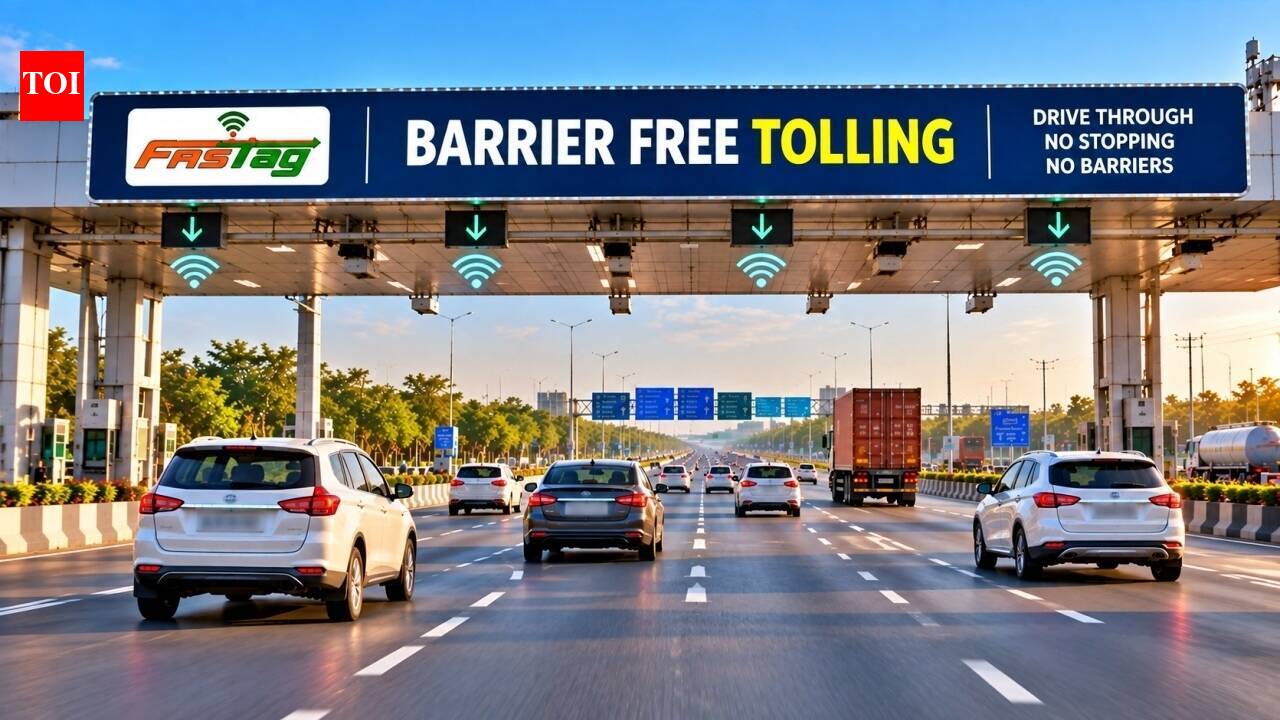
India's shift to Multi-Lane Free Flow (MLFF) technology has significantly boosted NHAI toll revenue by nearly 20% in six months. This barrier-free system marks a major evolution from FASTag, eliminating the need for vehicles to slow down at toll plazas.
The Evolution of Indian Highway Infrastructure
The introduction of Multi-Lane Free Flow (MLFF) technology by the Indian government represents a pivotal shift in the nation's transportation infrastructure. Launched in May 2026 by Minister Nitin Gadkari, this system is designed to remove the physical bottlenecks that have historically plagued highway travel. By transitioning away from traditional toll plazas that require vehicles to decelerate and stop, the government is prioritizing logistical efficiency and traffic fluidity.
Moving Beyond FASTag
While the implementation of FASTag was a revolutionary step in digitizing toll payments, it remained limited by physical infrastructure requirements. Motorists were still forced to navigate through designated lanes and pass barriers, which often caused congestion during peak travel hours. MLFF acts as the next evolutionary phase, leveraging advanced sensor technology to allow vehicles to pass at highway speeds, thereby reducing the 'stop-and-go' friction that increases travel time and fuel consumption.
Financial Impact and Revenue Growth
The economic efficacy of this technology is already becoming apparent. According to recent data, the National Highways Authority of India (NHAI) has seen a substantial 19.84% increase in net revenue across the seven plazas currently utilizing the system. Collecting Rs 539 crore in just six months underscores the system's ability to minimize revenue leakage and improve collection efficiency, proving that technological integration directly correlates with improved fiscal health for national infrastructure projects.
The Broader Implications for Logistics
For the Indian logistics sector, the implications are profound. Barrier-free tolling reduces the total transit time for commercial freight, which is a critical component in lowering the overall cost of logistics in India. By streamlining the movement of goods across the country, the government is effectively creating a more competitive environment for domestic trade, potentially lowering the cost of consumer goods by reducing the overhead associated with highway delays.
Future Trends and Technological Scaling
Looking ahead, the success of these initial seven plazas serves as a pilot for a nationwide rollout. As the NHAI continues to integrate MLFF, the focus will likely shift toward standardizing the technology across diverse geographical terrains. This trend suggests a future where highway travel in India is defined by seamless digital connectivity, with the ultimate goal of creating a 'barrier-free' corridor network that spans the entire length and breadth of the country.
Conclusion: A New Era of Road Transport
In summary, the transition to barrier-free tolling is more than a mere upgrade in payment methods; it is a foundational change in how India manages its vast road network. With a nearly 20% revenue jump in such a short window, the model is clearly sustainable and scalable. As the project matures, it will likely serve as a global benchmark for how emerging economies can utilize smart technology to solve chronic infrastructure challenges.