Gandhi for Gen Z: The Mahatma is suddenly cool again | A documentary by The Hindu
Source Entity
India Latest News: Top National Headlines Today & Breaking News | The Hindu
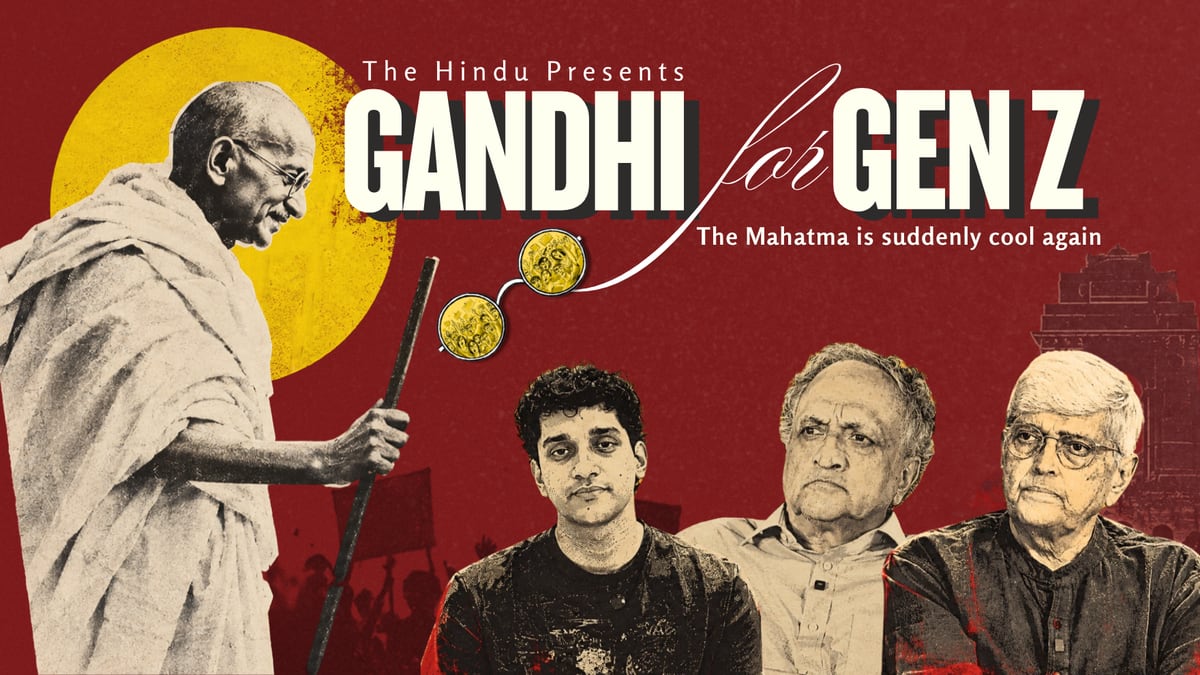
A new documentary by The Hindu explores how Gen Z is rediscovering Gandhian principles through recent student-led protests in India. The film examines the modern relevance of non-violent resistance and civil disobedience in a polarized digital age.
The Resurgence of Satyagraha in the Digital Age
In the summer of 2026, a significant shift in political expression emerged in India, as a generation largely removed from the formal study of Mahatma Gandhi turned to his core philosophy of non-violent resistance. The documentary by The Hindu captures this phenomenon, sparked initially by the NEET paper leak protests at Jantar Mantar. What began as a specific grievance against systemic administrative failure evolved into a broader meditation on the nature of dissent, democracy, and the efficacy of peaceful demonstration in the modern era.
Redefining Non-Violence for Gen Z
The students who occupied Jantar Mantar adopted tactics that mirrored the historical satyagraha movement—refusing to fight back and engaging in sit-ins and fasts. This was not a conscious revival of Gandhian dogma but rather a pragmatic rediscovery of non-violence as a tool for political efficacy. By choosing peaceful protest over aggressive confrontation, these young activists demonstrated that the language of civil disobedience remains a potent weapon for those challenging institutional power structures, even in a hyper-connected, digital society.
Beyond the Monument: Gandhi as a Living Proposition
The documentary moves beyond the historical canon to examine how Gandhian ideals permeate contemporary Indian life. By profiling diverse movements—from the unconventional activism of the Cockroach Janata Party to the grassroots community efforts of SEWA—the film illustrates that Gandhian thought is not a static relic. Instead, it functions as a living proposition, adaptable to the needs of modern activists who navigate the complexities of a polarized society while seeking to effect tangible change.
Intellectual Intersections and Tensions
A critical component of this exploration is the film's engagement with the intellectual history of India, specifically the intersections and tensions between Gandhi and B.R. Ambedkar. By bringing together prominent voices such as Gopalkrishna Gandhi, Ramachandra Guha, and Tushar Arun Gandhi, the project provides a nuanced look at how these historical debates continue to shape the contours of modern political discourse. This dialogue is essential for understanding how Gen Z activists balance their demands for justice with the historical realities of Indian social movements.
The Future of Civic Engagement
As the documentary suggests, the most compelling aspect of this trend is that it is driven by a generation that did not set out to emulate Gandhi. Rather, they arrived at the same questions of morality and political action that defined the freedom struggle. This raises significant implications for the future of Indian democracy: if younger generations continue to gravitate toward non-violent resistance, it may signal a fundamental shift in how dissent is articulated and managed in the coming decades.
Conclusion
Ultimately, Gandhi for Gen Z serves as a mirror for contemporary India. It reframes the Mahatma not as a monument of the past, but as a lens through which to view current struggles. By documenting the unintended but profound return to satyagraha, the film underscores that the core principles of non-violence remain deeply relevant, offering a framework for democracy that is as urgent today as it was nearly a century ago.
Verification Required?