First minister demands 'new deal' from Andy Burnham to make Wales equal with Scotland
Source Entity
BBC News
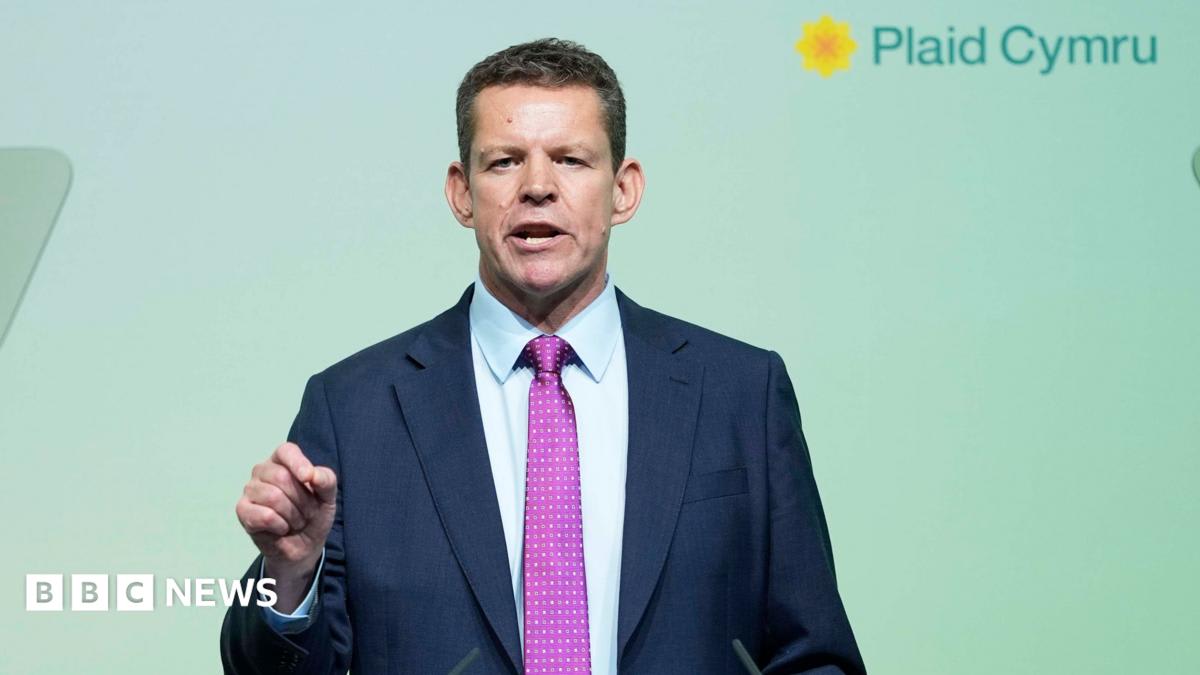
Plaid Cymru leader Rhun ap Iorwerth is pushing for a 'new deal' to grant Wales devolved powers in policing, justice, and welfare, aiming for parity with Scotland. This demand follows a historic electoral victory, setting the stage for complex constitutional negotiations with the UK government.
The Quest for Constitutional Parity in Wales
Rhun ap Iorwerth, the First Minister and leader of Plaid Cymru, has officially signaled a transformative shift in the Welsh political agenda. By demanding a 'new deal' from the UK government, ap Iorwerth is seeking to bridge the long-standing constitutional gap between Wales and Scotland. The core of this demand centers on the devolution of critical governance areas—specifically policing, justice, welfare, and control over the Crown Estate—that would effectively elevate Wales to a status comparable to the Scottish model.
A New Dawn Following Electoral Success
This demand for increased sovereignty arrives in the wake of a historic victory for Plaid Cymru in the recent Senedd election. Held at Venue Cymru in Llandudno, the party’s conference served as a platform for ap Iorwerth to frame the election results as a 'new dawn' for the nation. This electoral mandate provides the political leverage necessary to challenge the status quo, suggesting that the Welsh electorate is increasingly supportive of a more robust, autonomous administration capable of managing its own judicial and social frameworks.
Navigating the Relationship with Westminster
Central to this political maneuver is the relationship between Cardiff Bay and the UK government, led by Prime Minister Andy Burnham. Ap Iorwerth has publicly referenced assurances from the Prime Minister that the UK government would not undermine the Welsh administration. However, the translation of these verbal commitments into legislative reality remains the primary hurdle, as devolving justice and policing represents a significant transfer of power that Westminster has historically been hesitant to grant.
The Economic and Legal Implications of Devolution
Beyond the political rhetoric, the demand for control over the Crown Estate and rail infrastructure highlights a desire for economic self-determination. By seeking authority over these sectors, the Welsh government aims to align national infrastructure projects and regional revenue streams more closely with local needs rather than centralized UK policies. This move reflects a broader trend within the United Kingdom where devolved nations are increasingly seeking to optimize their economic outcomes through localized control.
The Response from the UK Government
In response to these bold demands, the UK government has reiterated its commitment to a 'stronger and fairer Wales' within the context of a unified United Kingdom. While this statement acknowledges the importance of the Welsh nation, it remains diplomatically vague regarding the specific transfer of powers. The contrast between Plaid Cymru’s granular demands and the UK government’s general commitment suggests that the coming months will be defined by intense negotiation and potential friction.
Looking Ahead: The Future of Welsh Governance
As the Welsh government moves forward, the pressure to deliver on these promises will intensify. The upcoming legislative agenda will be a crucial test of whether the 'new deal' can move from a campaign aspiration to a formal constitutional settlement. Ultimately, this push for parity is not merely a request for more authority; it is a fundamental re-evaluation of the United Kingdom’s internal structure and how power is distributed among its constituent parts.