Breach Of Privilege Moved Against Top J&K Officials Over Statehood Letter
Source Entity
NDTV News Search Records Found 1000
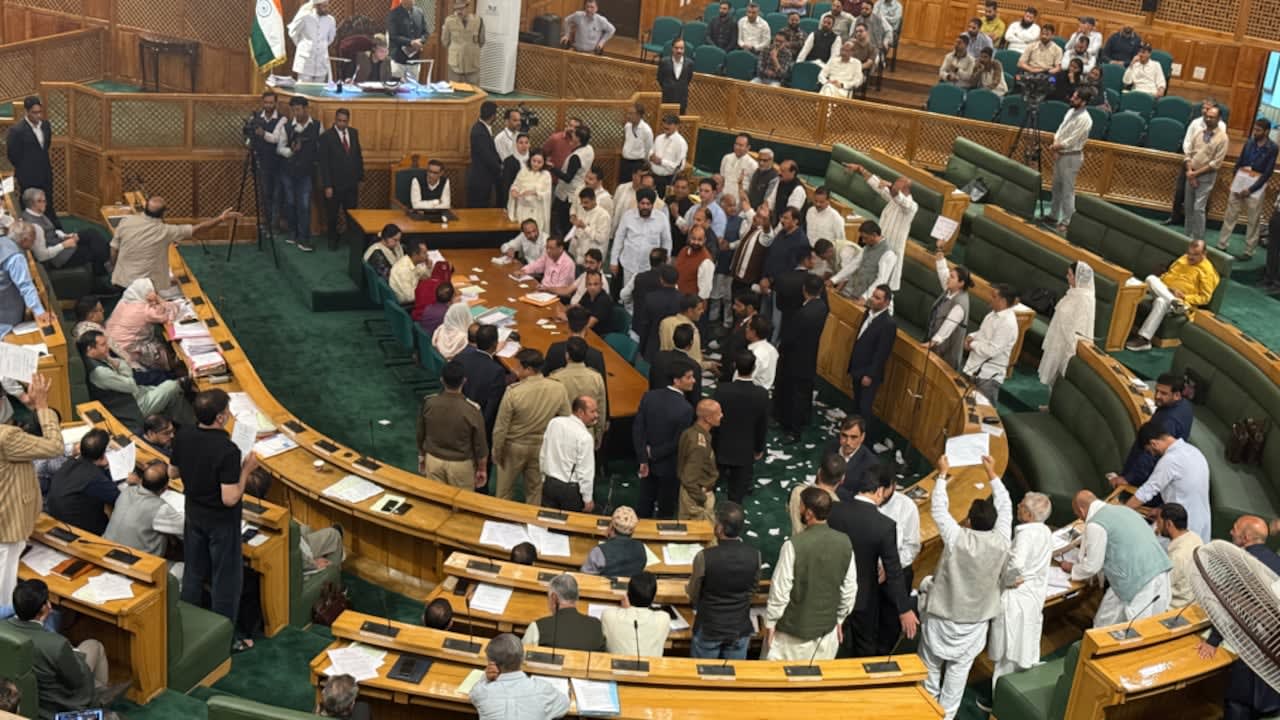
A political standoff has emerged in Jammu & Kashmir after senior bureaucrats wrote to the Speaker opposing a statehood resolution. The move has drawn sharp criticism from the ruling NC-Congress coalition, while the BJP supports the officers and warns of strained ties with the Centre.
The J&K Statehood Standoff: A Crisis of Governance
A significant political confrontation has unfolded in the Jammu & Kashmir Legislative Assembly following the passage of a resolution seeking the restoration of statehood. The crisis centers on the actions of Chief Secretary Atal Dulloo and Law Secretary Achal Sethi, who sent official communications to the Speaker, Abdul Rahim Rather, urging him not to proceed with the resolution. These actions, performed without the prior knowledge of Chief Minister Omar Abdullah, have ignited a fierce debate regarding the boundaries of bureaucratic authority versus the mandate of an elected government.
Bureaucratic Interference or Procedural Duty?
The core of the controversy lies in the claim made by the bureaucrats that the statehood resolution touched upon matters that are currently sub judice. By attempting to intervene in the legislative process, these officers have effectively positioned themselves in opposition to the Chief Minister’s agenda. This has led to accusations from the ruling National Conference (NC) and its ally, the Congress, that the bureaucracy is undermining the democratic foundations of the Union Territory. Legislators have raised critical questions about whether appointed officials possess the authority to challenge the collective will of an elected assembly.
The BJP’s Stance and Potential Consequences
The Bharatiya Janata Party (BJP), led in the House by opposition leader Sunil Sharma, has firmly backed the actions of the Chief Secretary and the Law Secretary. The BJP has characterized the assembly's resolution as a move that will inevitably strain relations between the J&K administration and the central government in New Delhi. By demanding the resignation of Speaker Abdul Rahim Rather and signaling that Union Home Minister Amit Shah is displeased with the resolution, the BJP is framing the current legislative actions as a direct provocation against the Union government's authority.
Impact on Legislative Prestige
Congress legislator Nizamuddin Bhat has brought the issue to the forefront of parliamentary debate, demanding that the letters sent by the bureaucrats be made part of the official House records. The argument put forth is that these communications constitute an affront to the dignity and prestige of the Assembly. By bypassing the Chief Minister to address the Speaker directly, the officers have triggered a constitutional question: to whom is the bureaucracy truly accountable in a Union Territory with an elected legislative body?
Broader Implications for J&K Democracy
This incident highlights the inherent tensions present in the governance structure of Jammu & Kashmir. As the assembly seeks to reclaim its political voice through the demand for statehood, it is finding that the administrative machinery, traditionally aligned with the Centre, may act as a significant obstacle. The walkout staged by BJP legislators underscores the deep ideological divide that persists, suggesting that the path to full statehood restoration will be marked by intense friction between the local government and central oversight.
Future Trends and Conclusion
Looking ahead, this standoff suggests a period of prolonged instability in the relationship between the J&K government and the bureaucratic apparatus. If the trend of administrative officials openly opposing legislative resolutions continues, it may lead to a fundamental restructuring of how the Chief Minister interacts with his senior staff. The resolution's fate and the repercussions for the officers involved will likely serve as a litmus test for the operational autonomy of the Jammu & Kashmir Assembly moving forward.
Multiple Citing Sources
Verification Required?