In protest season, Bihar clears Rs 62.5 crore for water cannons, anti-riot vehicles
Source Entity
Himanshu Harsh
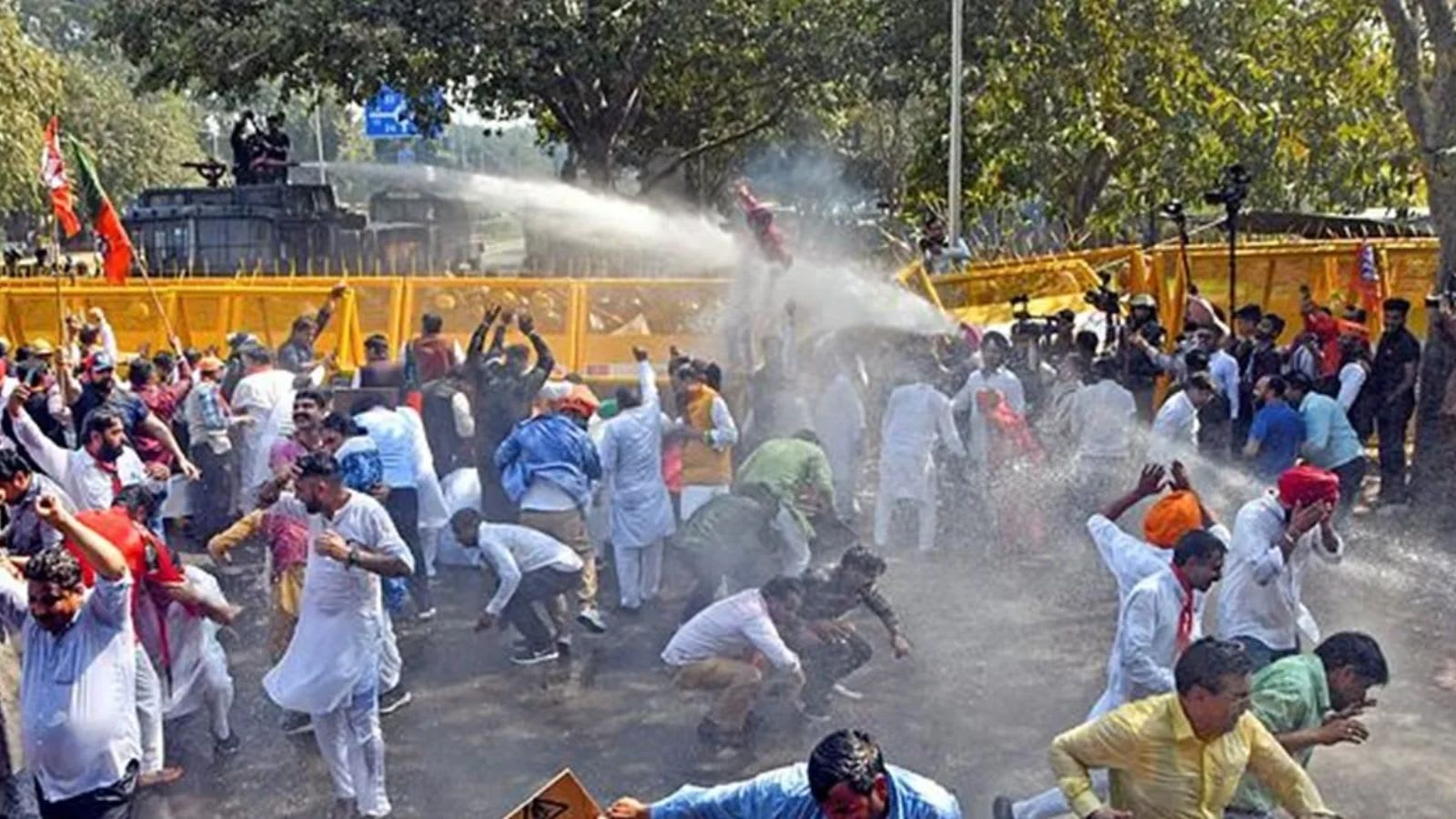
The Bihar government has allocated Rs 62.52 crore to procure water cannons and anti-riot vehicles to bolster law enforcement capabilities. This decision follows the recent formation of District Anti-Riot Forces to manage protests and communal tensions.
Bihar Boosts Law Enforcement Infrastructure
In a significant move to overhaul the state's crowd-management capabilities, the Bihar Cabinet has officially approved an expenditure of Rs 62.52 crore for the procurement of modern riot-control equipment. This allocation includes the purchase of 30 water cannons, priced at Rs 88 lakh each, and 86 'Vajra' anti-riot vehicles, costing Rs 42 lakh per unit. This capital investment signals a strategic shift in how the state administration intends to handle the frequency of public demonstrations and civil unrest.
Contextualizing the Procurement
The timing of this financial approval is particularly noteworthy, as it follows a period characterized by heightened social activity and student-led protests across the state. By integrating these specialized vehicles into the police fleet, the government aims to enhance its responsiveness to various scenarios, ranging from peaceful demonstrations and election rallies to more volatile situations like road blockades and communal tensions. The Home Department, currently under the purview of Deputy Chief Minister Samrat Choudhary, is overseeing this transition as part of a broader mandate to maintain public order.
The Rise of District Anti-Riot Forces
This procurement is not an isolated incident but rather the latest phase in a structural reform of the Bihar police force. Recently, the administration announced the formal creation of dedicated District Anti-Riot Forces. These specialized units were conceptualized specifically to address the challenges of managing violent protests and protecting government property. The new hardware acts as the necessary logistical support for these newly formed units, allowing them to exert control without resorting to more lethal force.
Strategic Implications for Public Order
Equipping the police with advanced water cannons and Vajra vehicles represents a tactical prioritization of non-lethal crowd dispersal. As Bihar prepares for future election cycles and high-traffic public events like festivals and fairs, the government is clearly attempting to mitigate the risks of property damage and civil disorder. By formalizing the response mechanisms through both personnel training and hardware upgrades, the state is signaling a more proactive stance toward maintaining law and order in an increasingly volatile political climate.
Future Trends in State Policing
The commitment of Rs 62.52 crore underscores the financial burden of maintaining order in a state with a large, politically active demographic. Looking ahead, this move may set a precedent for other states to invest heavily in specialized riot-control technology. As governance continues to face the pressures of public accountability and protest culture, the integration of such high-tech deterrents is likely to become a standard feature of urban and district-level policing strategies in India.