Senate expected to vote on stock trading ban, data center bill before election recess
Source Entity
US Top News and Analysis
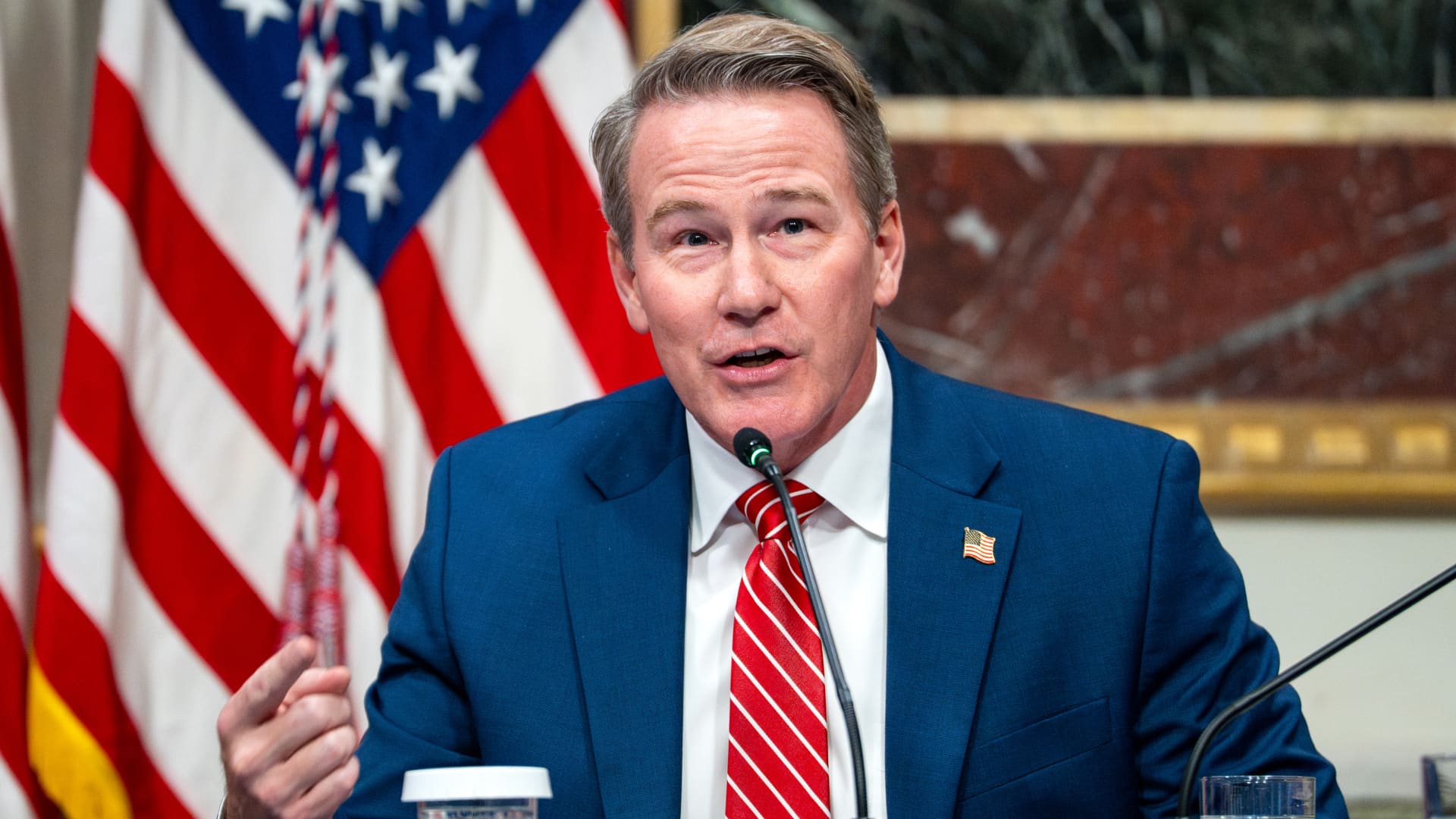
Senate Republicans failed to advance legislation targeting data center energy costs and congressional stock trading ahead of the midterms. Democrats blocked both measures, citing concerns over the bills' efficacy and legislative intent.
Legislative Deadlock: The Senate's Final Pre-Election Maneuver
As the 2026 midterm election cycle intensifies, the United States Senate has become a theater for high-stakes political posturing. In a final burst of activity before a month-long recess, Senate Republicans pushed for procedural votes on two highly sensitive topics: a ban on congressional stock trading and the 'Ratepayer Protection Act,' which seeks to mitigate the impact of data center energy consumption on consumer utility bills.
The Data Center Energy Debate
The Ratepayer Protection Act, which had previously passed the House of Representatives with near-unanimous support, faced a critical wall in the Senate. Despite the urgency surrounding the rising energy demands of artificial intelligence and cloud computing infrastructure, the bill failed to clear the 60-vote filibuster threshold, concluding with a 57-43 vote. While four Democrats—Maggie Hassan, Amy Klobuchar, Jon Ossoff, and Raphael Warnock—broke ranks to support the measure, it remained insufficient to overcome the opposition of the Democratic caucus.
Political Friction and 'Toothless' Legislation
Democratic leadership characterized the Republican-led data center bill as a "toothless" effort, arguing that it failed to provide the substantive guardrails necessary to protect consumers from the rapid expansion of AI-related infrastructure. This rhetoric highlights a broader ideological divide regarding how the federal government should regulate the intersection of emerging technology and essential public utilities. For Republicans, the vote served as a messaging tool to demonstrate their responsiveness to voter concerns regarding inflation and cost-of-living increases.
Congressional Trading Ethics
The second major pillar of the failed legislative push involved restricting members of Congress from trading stocks while in office. This issue has long been a point of contention for voters across the political spectrum, who view the potential for insider trading or conflicts of interest as a breach of public trust. By forcing a vote on this issue just before the election recess, Republicans aimed to put Democrats on the defensive, forcing them to take a recorded stance on a policy that enjoys significant bipartisan popularity among the general public.
The Strategy of 'Messaging Wins'
These procedural votes were never expected to result in immediate law, given the Democratic opposition and the filibuster rules. Instead, the strategy was focused on creating "messaging wins" for the upcoming midterm elections. By forcing these votes, the GOP aimed to highlight legislative priorities that resonate with the electorate, while simultaneously characterizing Democratic opposition as an obstruction to common-sense reform. This tactic serves as a reminder of the increasing role that floor votes play in shaping campaign narratives in an era of hyper-partisanship.
Future Outlook and Conclusion
As the Senate enters its pre-election recess, the failure of these bills underscores the legislative paralysis that often defines the months preceding a major election. The unresolved issues—consumer protection against utility price hikes driven by data centers and the ethical constraints on congressional financial activities—are likely to remain central themes in the 2026 campaign cycle. Voters will now have to weigh whether the legislative gridlock in Washington reflects a genuine debate over policy efficacy or simply a continuation of partisan theater.