The Gas Turbine Shortage Just Became AI’s Biggest Constraint
Source Entity
Yahoo Finance
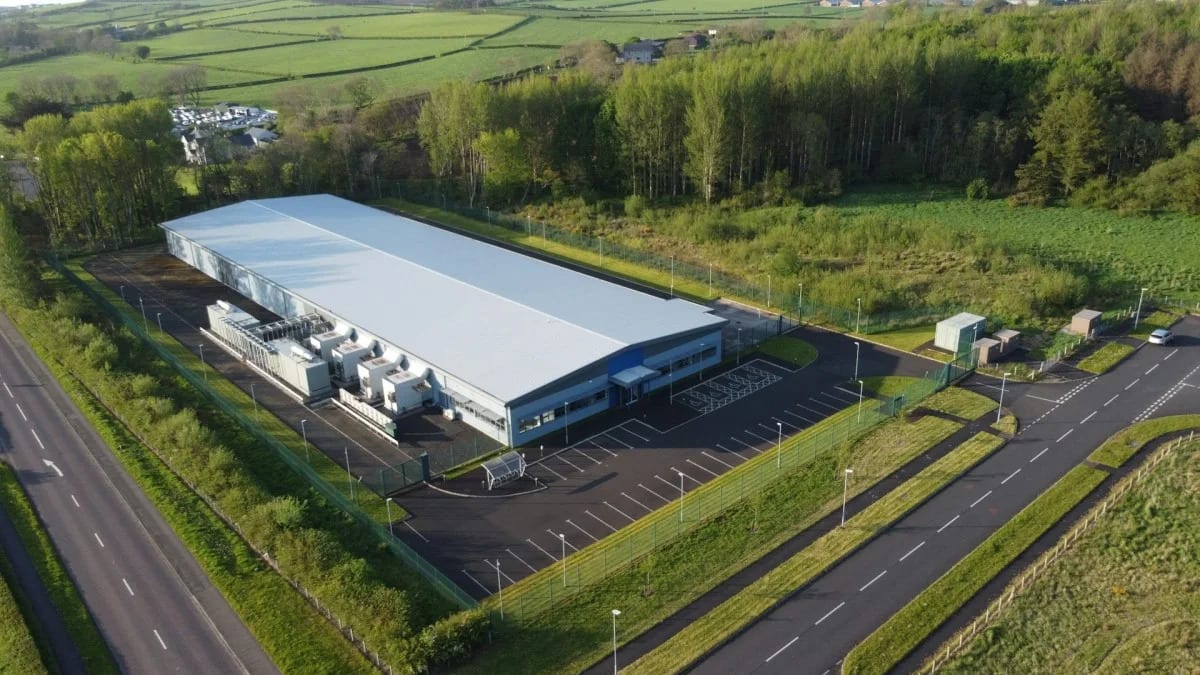
The surging demand for AI data centers has created a massive backlog of gas turbine orders for major manufacturers like GE Vernova, Siemens, and Mitsubishi. Analysts warn that these figures are often inflated by differing definitions of 'backlog,' complicating the true assessment of energy infrastructure capacity.
The Bottleneck of the AI Era: Gas Turbine Supply Chains
The rapid expansion of artificial intelligence and the proliferation of power-hungry data centers have triggered an unprecedented demand for reliable, baseload electricity. As tech giants scramble to secure energy, the industrial backbone of this transition—the gas turbine—has become a critical constraint. Major manufacturers such as GE Vernova, Siemens, and Mitsubishi are currently reporting historically high backlogs, signaling a massive shift in global energy infrastructure investment.
Dissecting the Backlog Metrics
While headlines frequently cite a combined 220 GW backlog across these industry titans, a deeper analysis reveals that these numbers are not directly comparable. For instance, GE Vernova reports a 116 GW figure, yet only 53 GW represents firm equipment orders. The remaining 63 GW consists of slot reservations and paid options that have not yet converted into definitive contracts. This nuance is vital for investors; a reservation is merely a placeholder, not a guaranteed revenue stream or a confirmed delivery schedule.
Competitive Variations in Reporting
The lack of industry-wide standardization makes assessing the true scale of the turbine shortage difficult. Siemens reports 69 GW in firm backlog, notably excluding the ambiguous reservations that pad GE’s figures. Meanwhile, Mitsubishi Heavy Industries reports a 35 GW backlog specifically for large-frame turbines, intentionally omitting its mid-size and aeroderivative lines. Because these companies utilize different accounting methodologies, a direct comparison often overstates the actual manufacturing capacity currently locked into production cycles.
The Economic Weight of Power Infrastructure
GE Vernova’s $176 billion backlog is of such immense scale that it would technically outrank the GDP of nations like Kuwait, Ecuador, and Slovakia. This figure is particularly striking when juxtaposed against the company’s $38 billion in annual revenue. Such a massive order book indicates that the market is pricing in a multi-year period of sustained, high-intensity demand as utilities and tech firms attempt to bridge the energy gap created by the AI boom.
Broader Implications for Energy Markets
This turbine shortage is not merely an industrial footnote; it represents a fundamental tension between the digital economy's energy requirements and the physical limitations of the manufacturing sector. As data centers demand consistent, non-intermittent power, gas turbines remain the preferred solution over more volatile renewables. The inability of manufacturers to rapidly scale production to meet this backlog suggests that energy prices and data center deployment timelines could face significant headwinds in the coming years.
Future Outlook and Strategic Considerations
Looking ahead, the primary challenge for these firms will be converting "slot reservations" into firm, profitable orders while managing supply chain bottlenecks. Investors must look past the headline "backlog" numbers and scrutinize the conversion rates of these options. The current state of the industry serves as a stark reminder that the AI revolution is fundamentally tethered to the physical world of heavy machinery and the complex logistics of global energy infrastructure.
Multiple Citing Sources