Daily-wage worker feeds 300 strays with leftover rotis for 7 years
Source Entity
TOI LIFESTYLE DESK
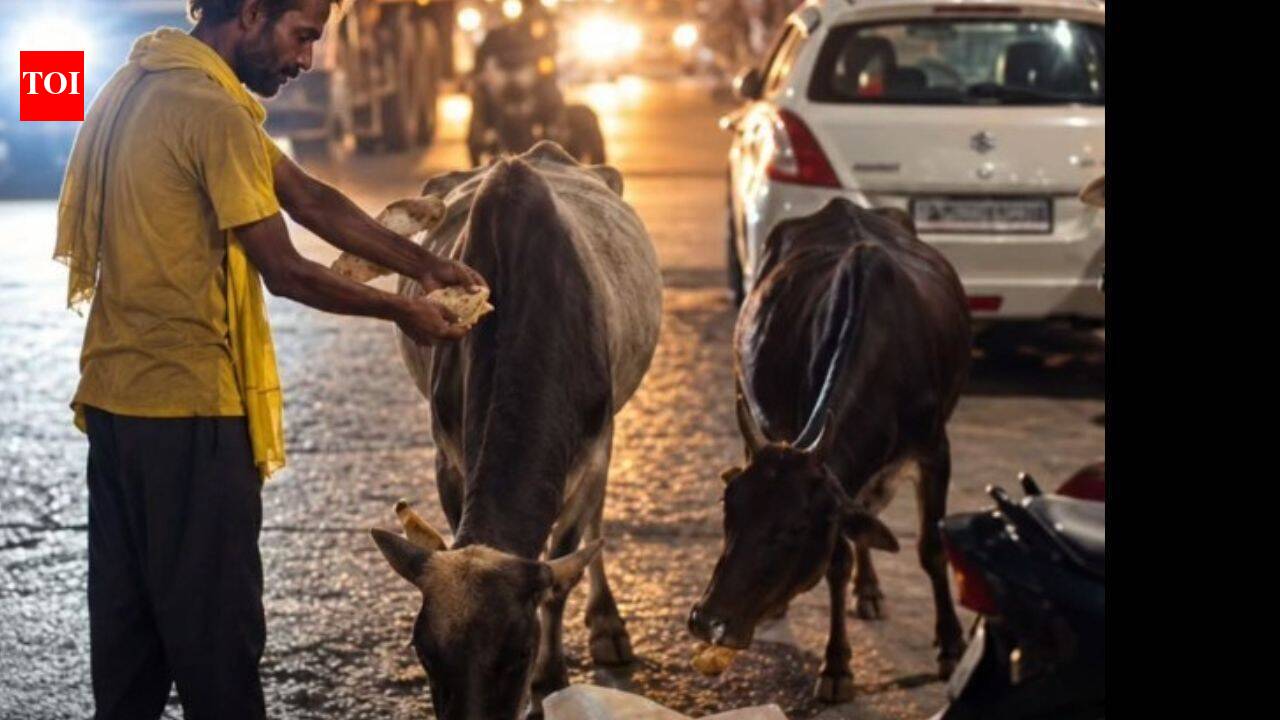
Daily-wage worker Gautam Yadav from Bhairunda, Madhya Pradesh, has spent seven years feeding 300 stray animals daily. He collects leftover rotis from neighborhood homes to ensure these animals receive clean, plastic-free meals.
The Extraordinary Compassion of Gautam Yadav
In the quiet village of Bhairunda, Madhya Pradesh, an ordinary daily-wage worker named Gautam Yadav has become a beacon of selfless service. While many individuals seek rest after a grueling day of manual labor, Yadav embarks on a second, voluntary shift. For the past seven years, he has dedicated his evenings to the welfare of approximately 300 stray animals, proving that significant social impact does not require vast financial resources, but rather a persistent and compassionate heart.
A Disciplined Routine of Service
Yadav’s process is both methodical and deeply thoughtful. Each evening, he navigates the neighborhood streets with a handcart, collecting leftover rotis from local households. This practice not only addresses the immediate hunger of the stray population but also promotes a culture of waste reduction within the community. By repurposing food that would otherwise be discarded, Yadav bridges the gap between surplus household resources and the urgent needs of vulnerable animals.
Ensuring Quality and Safety
What distinguishes Yadav’s efforts is his commitment to the health of the animals he serves. He takes great care to ensure that the food he collects is clean and entirely free of plastic contamination. In many regions, stray animals often scavenge in garbage dumps where they are frequently exposed to hazardous materials and plastic waste. By providing a curated source of nutrition, Yadav mitigates the risks of ingestion-related illnesses and injuries that often plague urban and rural stray populations.
Redefining Community Impact
The story of Gautam Yadav challenges the conventional narrative that community service is the sole domain of the affluent. Despite his status as a daily-wage worker, his seven-year commitment demonstrates that consistency is the primary driver of effective grassroots change. His actions have transformed the atmosphere of Bhairunda, fostering a sense of empathy among residents who contribute their leftovers to his cause, effectively turning individual acts of charity into a collective village effort.
Broader Implications for Animal Welfare
This initiative highlights the growing necessity for localized, human-led animal welfare solutions in India. As rural and semi-urban areas continue to develop, the plight of stray animals often becomes a secondary concern. Yadav’s work serves as a scalable model for how simple, community-driven interventions can manage stray populations humanely. His dedication suggests that fostering coexistence between humans and animals is possible through modest, daily efforts that prioritize the dignity and health of all living creatures.
Conclusion: A Legacy of Kindness
Ultimately, Gautam Yadav’s journey is a testament to the power of individual agency. By choosing to spend his limited free time in service of the voiceless, he has created a sustainable support system for 300 animals. His story serves as a profound reminder that even the most modest circumstances can facilitate extraordinary acts of kindness, leaving an indelible positive mark on his community.