'Every day there is killing': Gazans face Israeli strikes despite ceasefire as peace deal stalls
Source Entity
BBC News
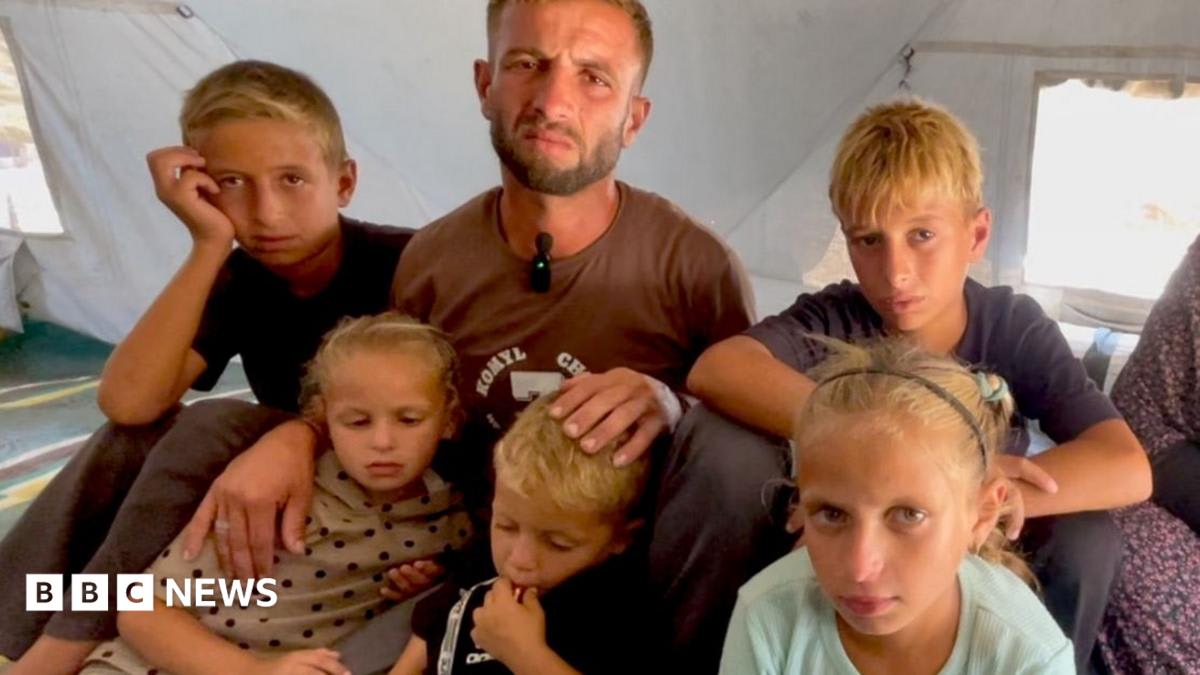
Despite a ceasefire brokered last year, ongoing Israeli strikes in Gaza continue to result in significant civilian casualties. Families remain trapped in precarious tent cities as diplomatic efforts for a lasting peace deal remain stalled.
The Human Cost of Stalled Diplomacy in Gaza
The ongoing conflict in Gaza continues to manifest in profound human tragedy, despite the existence of a ceasefire agreement that theoretically took effect on October 10 of last year. The death of 31-year-old Fida al-Toutah, a mother of five, serves as a harrowing reminder of the vulnerability of civilians living in makeshift tent cities. Her death, caused by a gunshot wound to the head on September 21, underscores the reality that for many Gazans, the cessation of major hostilities has not translated into safety or the cessation of violence.
The Fragility of Tent Life
For families like that of Fida al-Toutah, the concept of a 'ceasefire' remains an abstract, ineffective policy. Thousands of displaced Palestinians are currently forced to reside in cramped, exposed tent cities throughout central Gaza. These environments offer no structural protection against gunfire or airstrikes, leaving non-combatants perpetually exposed to the volatility of the conflict. The account of her son, Ezz, highlights the visceral trauma experienced by children who are forced to witness the loss of their parents in domestic settings that should be safe havens.
Statistical Reality and International Validation
Data provided by the Hamas-run health ministry indicates that more than 1,400 people have been killed in Gaza since the October 10 ceasefire date. While political tensions often lead to the questioning of statistics in this conflict, the United Nations has consistently deemed these figures reliable. This death toll provides a grim quantitative measure of the failure of current diplomatic frameworks to enforce the terms of the ceasefire or protect the civilian population from ongoing military operations.
Diplomatic Impasse and Future Outlook
The broader geopolitical context remains defined by a stalled U.S.-led peace plan. Diplomatic initiatives aimed at securing a definitive end to the war have failed to gain the necessary traction to halt daily military engagements. As the peace process remains in limbo, the structural inability of international actors to secure a durable ceasefire suggests that the status quo of intermittent violence and humanitarian suffering will likely persist in the near term.
Implications of Perpetual Instability
The persistence of these strikes creates a cycle of trauma and displacement that threatens the long-term stability of the region. Without a functional peace deal, the humanitarian crisis in Gaza is expected to deepen, as tent cities remain overcrowded and under-resourced. The international community faces a growing challenge: reconciling the existence of a formal ceasefire with the reality of daily casualties, a contradiction that continues to erode trust in the current diplomatic roadmap.