Court grants two-day police custody of ‘Gem Granites’ Veeramani
Source Entity
India Latest News: Top National Headlines Today & Breaking News | The Hindu
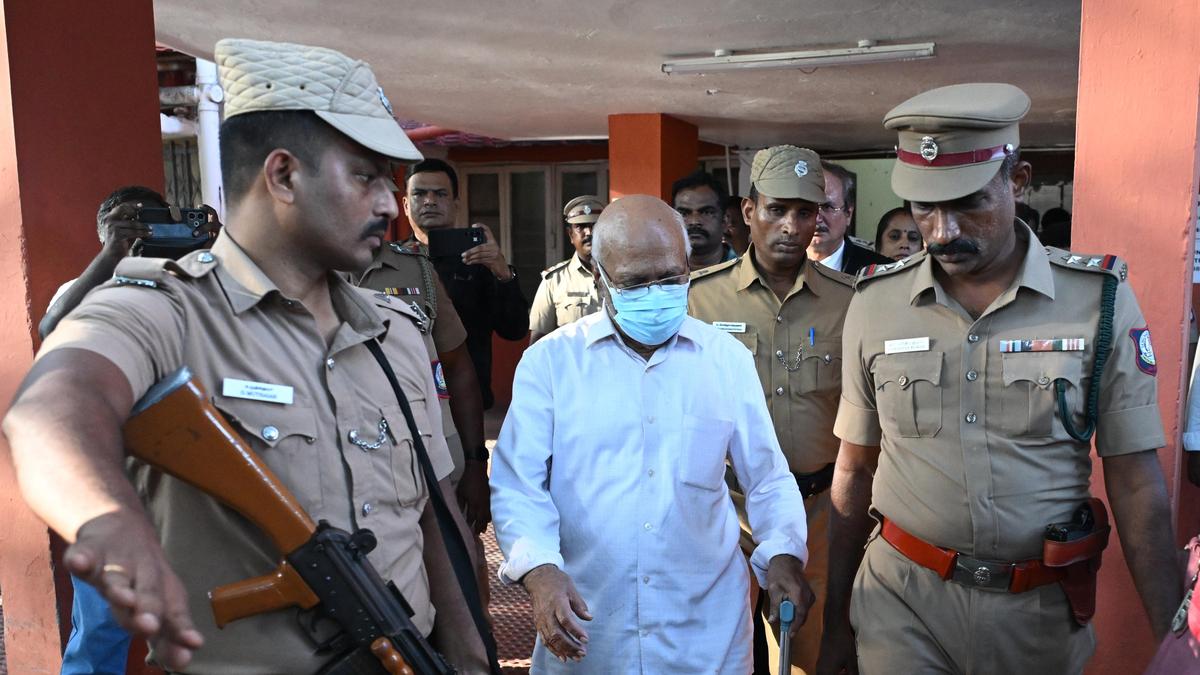
R. Veeramani, owner of Gem Granites, has been remanded to police custody as part of an investigation into multiple sexual abuse cases involving minors. Authorities also arrested his three long-term drivers on charges of abetment for allegedly facilitating these offenses.
Legal Escalation in the Gem Granites Case
The ongoing investigation into R. Veeramani, the 84-year-old founder of Gem Granites, has reached a critical juncture. A Special Court for POCSO cases in Chennai recently granted the Special Investigation Team (SIT) a two-day custodial interrogation period to further probe the allegations against the industrialist. Veeramani, who has been held in judicial custody since his arrests in August and October, faces multiple charges regarding the sexual abuse of minors, a situation that has garnered significant public and legal attention.
Expanding the Scope of Investigation
The SIT’s move to secure custodial interrogation is a strategic step aimed at uncovering the broader network surrounding Veeramani. Investigators have explicitly stated that the questioning is essential to identify other individuals who may have had links to the accused. This indicates that the authorities are looking beyond the primary suspect to map out a potential system of complicity, which is often a hallmark of complex investigations involving high-profile figures accused of recurring offenses.
Arrest of Alleged Accomplices
A significant development in this case is the arrest of three drivers—Lazar, Parthiban, and Babu—who were employed by Gem Granites. The Central Crime Branch (CCB) has charged these individuals with abetment, alleging that they played a direct role in facilitating the crimes by transporting minor girls to the industrialist. The tenure of these employees, with Lazar working for the firm for 23 years and Babu for eight, suggests a long-standing association that the police believe was utilized to carry out these illicit activities.
The Impact of Institutional Complicity
The involvement of long-term staff highlights a disturbing pattern of institutional or systemic facilitation. By targeting those who allegedly enabled the abuse, the CCB is attempting to dismantle the infrastructure that allowed these crimes to persist undetected. Searches conducted at the residences of these drivers indicate that the police are gathering material evidence to corroborate the testimonies provided by victims and witnesses, which will be crucial for the prosecution's case.
Broader Implications and Legal Context
With five distinct cases now registered against Veeramani, the legal burden on the defense is substantial. The use of the POCSO (Protection of Children from Sexual Offences) Act underscores the severity with which these allegations are being treated by the Indian judiciary. The case serves as a stark reminder of the legal system's mandate to protect minors, regardless of the social or economic status of the accused. As the SIT continues its work, the focus will remain on whether these arrests lead to further revelations regarding the depth of the alleged abuse.
Future Trends and Accountability
Looking ahead, the progress of this trial will likely be a litmus test for the effectiveness of specialized investigative teams in handling high-profile cases involving influential business figures. The outcome will depend heavily on the strength of the evidence collected during this custodial period and the subsequent trial proceedings. The public, legal observers, and victim advocacy groups will be closely monitoring how the courts balance the rights of the accused against the necessity of ensuring justice for the victims in these sensitive cases.
Verification Required?