Genki’s new customizable controller has a big screen and adjustable buttons
Source Entity
Andrew Liszewski
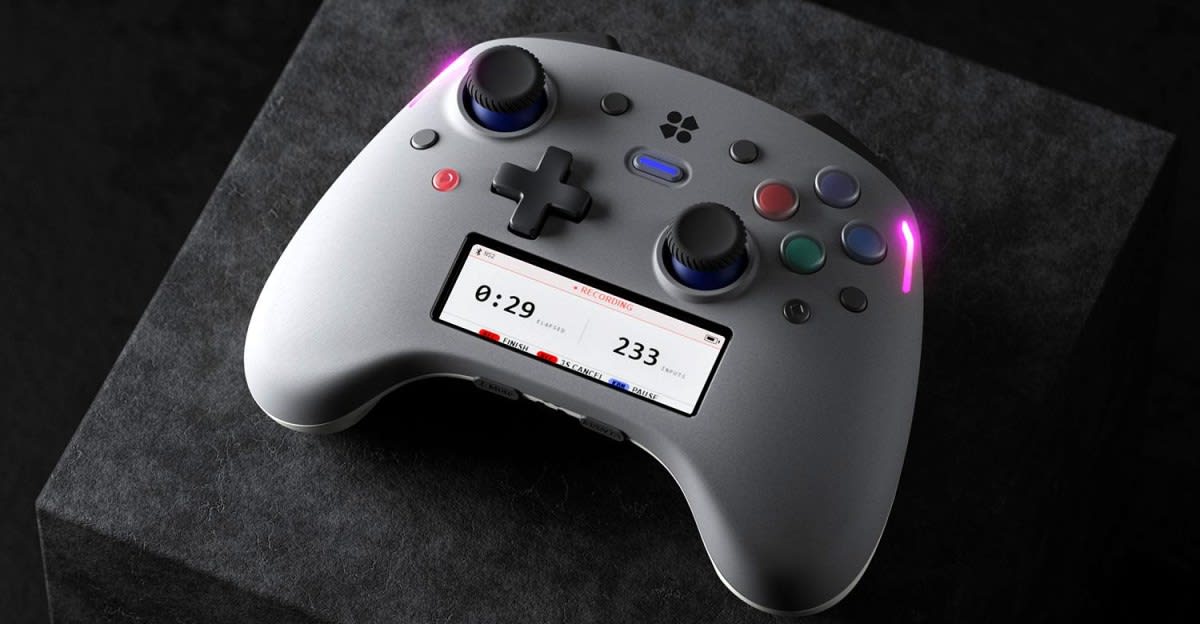
Genki has launched the Manta, its first fully proprietary controller featuring a unique 2.9-inch LCD screen. This device prioritizes deep customization, allowing users to adjust settings and physical components directly through the interface.
Genki Manta: A New Frontier in Controller Customization
Genki, a brand previously recognized for its collaborative efforts in the gaming accessory market—most notably its partnership with 8BitDo two years ago—has officially pivoted toward independent hardware development. The release of the Manta controller marks the company's first device designed entirely from the ground up, signaling a strategic shift toward establishing a unique identity in an increasingly crowded peripheral market.
Breaking the Mold with Unorthodox Design
The Manta immediately distinguishes itself through an unorthodox physical architecture. By positioning the thumbsticks and primary input buttons above a large, 2.9-inch integrated LCD screen, Genki has opted for a form factor that is notably chunkier than standard industry offerings. This design choice represents a departure from the ergonomic norms established by console giants like Sony, Microsoft, and Nintendo, prioritizing a visual-centric interface over conventional slim-line aesthetics.
The Power of On-Device Customization
Beyond its visual footprint, the core value proposition of the Manta is its deep commitment to user-defined customization. Unlike traditional controllers that require external software or companion applications to adjust sensitivity, button mapping, or dead zones, the Manta integrates these settings directly into its onboard LCD screen. This allows for real-time adjustments, providing players with a level of granular control that is rarely seen in modern consumer gamepads.
Modular Flexibility and Player Preference
Customization extends beyond software settings into the physical realm. The Manta allows users to tailor the physical thumbsticks and buttons to their specific ergonomic preferences. This focus on modularity acknowledges that professional and enthusiast gamers often require different tactile responses depending on the genre of the game, whether it be fighting games that require rapid actuation or precision-based titles that necessitate specific tension in the analog sticks.
Broader Implications for Gaming Peripherals
The introduction of the Manta suggests a growing trend in the peripheral industry: the desire for 'smart' controllers that function as independent devices rather than passive input tools. By embedding a screen, Genki is effectively bridging the gap between a standard gamepad and a portable diagnostic tool, allowing players to manage their gaming experience without interrupting gameplay to consult a secondary device.
Future Trends and Market Positioning
As the Manta enters the market, it sets a high bar for independent manufacturers looking to compete with major platform holders. If successful, this trend of 'controller-as-a-dashboard' could become a new standard for high-end peripherals. The Manta's success will ultimately depend on whether consumers value the added functionality and customization over the traditional, lightweight design of mainstream controllers.