Families of 43 victims await verdict in Genoa bridge disaster
Source Entity
BBC News
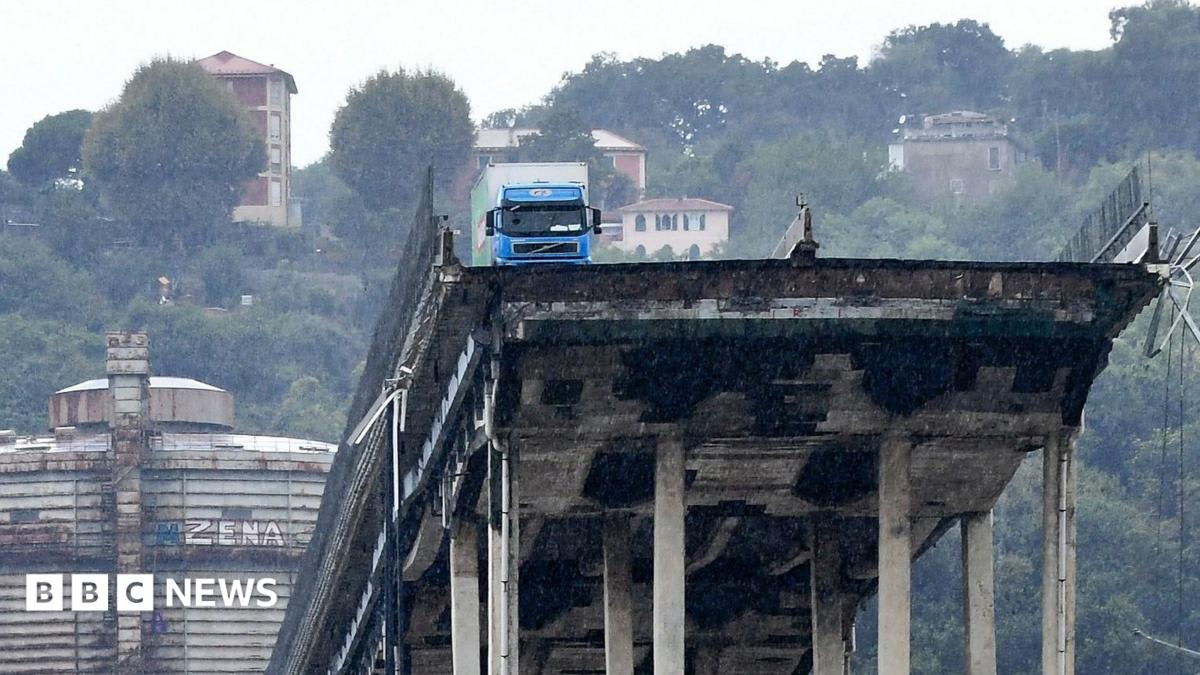
Families of 43 victims of the Morandi Bridge collapse in Genoa, Italy, are awaiting a long-awaited judicial verdict to determine accountability for the structural failure and alleged corporate negligence.
Justice Delayed: The Long Road to the Morandi Bridge Verdict
The collapse of the Morandi Bridge in Genoa remains one of the most harrowing infrastructure failures of the 21st century. For the families of the 43 individuals who lost their lives when a massive section of the motorway crumbled onto the railway tracks below, the tragedy is not merely a memory but an ongoing legal battle. As the judicial system nears a verdict, the case serves as a poignant reminder of the human cost associated with structural neglect and the slow pace of corporate accountability in the face of catastrophic failure.
The Anatomy of a Catastrophe
To understand the gravity of the event, one must look at the unique and ultimately flawed design of the Morandi Bridge. Completed in 1967, the bridge was an engineering marvel of its time, utilizing prestressed concrete stays. However, the very design that made it innovative also made it susceptible to corrosion and fatigue, particularly given Genoa's salty maritime air. The collapse was not a sudden, unpredictable act of God, but rather the culmination of decades of structural degradation. The failure of the stays led to a progressive collapse that devastated the area below, crushing vehicles and impacting the critical railway infrastructure that serves the port city.
Corporate Negligence and Systemic Failure
At the heart of the legal proceedings is the allegation of systemic negligence by the bridge's operators and maintenance firms. Evidence presented during the trials suggests that warnings about the bridge's deteriorating condition were ignored or downplayed to avoid costly closures and maintain traffic flow. The tension between profit margins and public safety is a central theme in this analysis; the operators are accused of failing to perform essential maintenance and falsifying safety reports. This case highlights a dangerous precedent where the privatization of infrastructure can lead to a conflict of interest, prioritizing shareholder dividends over the fundamental safety of the commuting public.
The Psychological Toll on the Bereaved
For the families of the 43 victims, the wait for a verdict has been an agonizing exercise in patience. The Italian legal system, known for its complexity and lengthy trial durations, has stretched the grieving process for years. The 'Families of the Victims' collective has become a symbol of resilience, fighting not only for legal retribution but for a formal acknowledgment of the negligence that caused their loss. The verdict is expected to provide more than just legal closure; it is seen as a necessary moral reckoning that will define how Italy and the world value human life against industrial efficiency.
Global Implications for Aging Infrastructure
Beyond the borders of Italy, the Morandi disaster has triggered a global re-evaluation of aging infrastructure. Many developed nations are currently grappling with 'infrastructure decay,' where bridges and tunnels built during the post-war boom are reaching the end of their intended lifespans. The Genoa tragedy underscores the urgent need for the implementation of advanced structural health monitoring (SHM) systems, including the use of IoT sensors and AI-driven predictive maintenance. The event serves as a warning that reliance on visual inspections is insufficient for complex, prestressed structures.
Conclusion: A Legacy of Vigilance
As the verdict arrives, the legacy of the Morandi Bridge will likely be the catalyst for stricter safety regulations and more transparent oversight of infrastructure management across Europe. The replacement bridge, the Genova San Giorgio, stands as a modern testament to safety-first engineering, but the scars of the 2018 collapse remain. The final judicial decision will either reinforce the rule of law regarding corporate liability or leave a lingering question of whether the powerful can be held accountable for the failure of the structures that sustain modern society.