Drunken brawl, police booth, and a death by bleeding: A Ghaziabad shocker
Source Entity
Drishti Jain
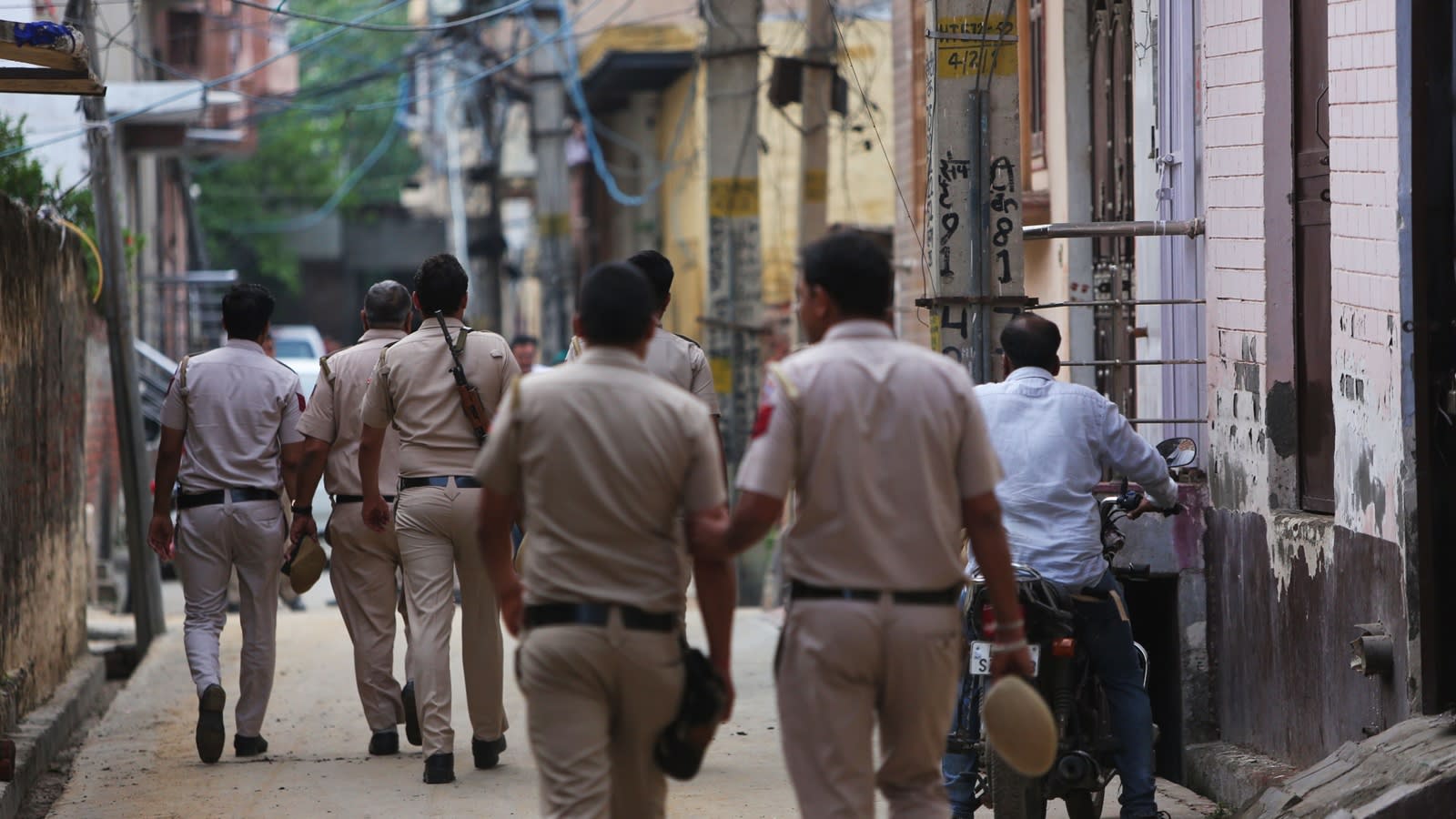
A 22-year-old man has died following a drunken brawl in Ghaziabad. CCTV footage reveals an e-rickshaw stopped near a police booth at 2:58 am, leading to a fatal incident where the victim succumbed to excessive blood loss.
Tragedy in Ghaziabad: Analysis of a Fatal Nightly Brawl
In a distressing incident that has sent shockwaves through the local community, a 22-year-old man lost his life in Ghaziabad following what has been described as a drunken brawl. The event is particularly jarring not only because of the victim's young age but also due to the proximity of the incident to a police installation. The reports indicate a sequence of events that transitioned rapidly from a social gathering or dispute into a fatal medical emergency, highlighting the volatile nature of alcohol-fueled conflicts in urban settings.
The Chronology of the Incident
According to official reports and the examination of CCTV footage, the timeline of the tragedy is precisely documented. At 2:58 am, an e-rickshaw—a common mode of last-mile transport in Indian cities—stopped near a 'pink booth' (a specialized police outpost often designed for women's safety). This specific timing and location are critical; the early morning hours are often when visibility is low and police patrolling patterns shift, yet the presence of a booth suggests that help was physically nearby, raising questions about the immediate response to the brawl.
The Role of Forensic Evidence and CCTV
The reliance on CCTV footage by the investigating officers underscores the modern shift in Indian policing toward digital evidence. By pinpointing the exact moment the e-rickshaw arrived, investigators are able to reconstruct the movements of the individuals involved. This digital trail is essential in determining whether the death was a result of a targeted attack, a mutual fight that spiraled out of control, or an accidental injury sustained during a struggle. The precision of the timestamp (2:58 am) provides a narrow window for investigators to cross-reference other cameras in the vicinity to identify all parties present.
Medical Implications: The Danger of Excessive Blood Loss
The cause of death—excessive blood loss—points to a severe traumatic injury. In cases of violent brawls, such injuries often result from sharp objects or blunt force trauma leading to arterial ruptures. The fact that the victim bled to death suggests a critical delay in receiving emergency medical intervention or the severity of the wound was such that it could not be stabilized. This highlights a recurring issue in urban emergency response: the 'golden hour'—the period following a traumatic injury where prompt medical treatment is most likely to prevent death—was seemingly missed in this instance.
Broader Societal Context and Urban Safety
This incident reflects a broader trend of youth violence exacerbated by substance abuse in rapidly growing urban centers like Ghaziabad. The intersection of alcohol and conflict often leads to impulsive, high-stakes violence that results in permanent tragedy. Furthermore, the occurrence of such a violent event near a police booth serves as a grim reminder of the gaps in real-time surveillance and intervention. While the 'pink booths' are a progressive step toward inclusive policing, the ability of these outposts to deter or immediately stop violent crimes in their immediate periphery remains a point of critical analysis.
Conclusion
The death of a 22-year-old in Ghaziabad is a multifaceted tragedy involving social volatility, medical urgency, and law enforcement challenges. While the CCTV footage provides a clear path for the legal investigation, it cannot undo the loss of a young life. This case will likely prompt further discussions regarding the effectiveness of police booths in preventing street violence and the necessity for faster emergency medical response systems in densely populated urban areas to prevent treatable injuries from becoming fatal.