Man punches glass door at Ghaziabad police booth after waiting 40 mins, bleeds to death
Source Entity
AVISHEK KUMAR
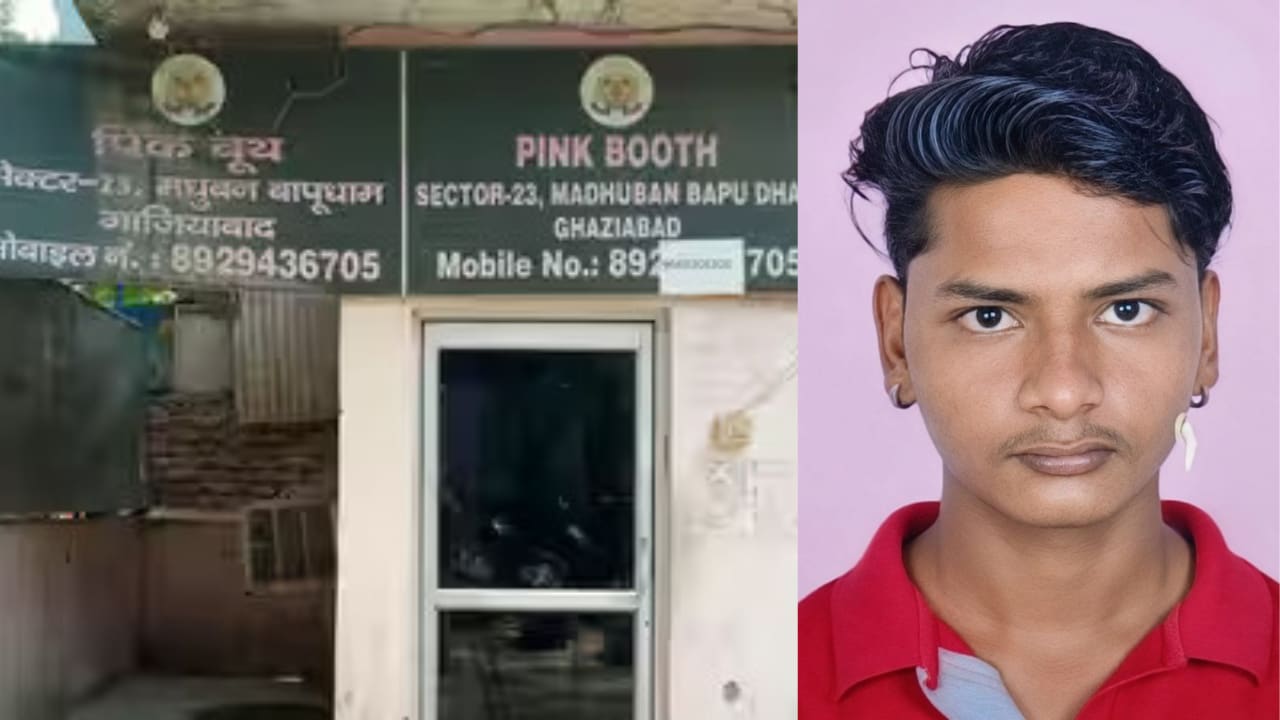
A 22-year-old man in Ghaziabad died from excessive bleeding after punching a glass door at a police booth in frustration following a 40-minute wait for assistance. Two women constables inside the booth reportedly did not open the door due to his aggressive behavior, leading to a fatal outcome.
Tragedy at the Police Booth: A Failure of Communication and Care
In a harrowing incident that highlights the volatile intersection of public frustration and law enforcement protocol, a 22-year-old man lost his life in Ghaziabad after an encounter at a local police booth. The event began with a seemingly routine request for help, but escalated into a fatal tragedy when the individual, after waiting for 40 minutes without a response, punched a glass door in a fit of anger. The resulting injuries led to severe blood loss, and despite later intervention by a police patrol, the young man was declared dead at the hospital.
The Anatomy of the Escalation
At the core of this incident is a critical breakdown in communication. The 40-minute waiting period served as a catalyst for the victim's frustration. In high-stress situations, a lack of acknowledgement from authority figures can lead to a rapid deterioration of emotional stability. The act of punching the glass door was not merely an act of aggression but a desperate, albeit misplaced, attempt to get the attention of the officers inside. The physical properties of glass doors in such installations—often designed for security—can cause deep, jagged lacerations that lead to rapid exsanguination if not treated immediately, which explains the fatal nature of the injury.
The Dilemma of the First Responders
An analytical look at the role of the two women constables reveals a complex tension between officer safety and the duty to assist. According to reports, the constables remained inside the booth because of the man's aggressive behavior. From a tactical standpoint, police are trained to avoid entering unsecured environments when a subject is acting violently. However, this creates a paradoxical situation where the barrier intended to protect the officers becomes a wall of apathy in the eyes of the public. The failure to communicate through the glass or call for immediate backup the moment the man became agitated suggests a gap in crisis de-escalation training.
Systemic Infrastructure and Policing Gaps
This event brings to light the systemic issues regarding the design and operation of small police booths in urban centers like Ghaziabad. These booths are meant to provide a visible police presence and quick access for citizens. However, if these booths lack proper intercom systems, emergency buttons, or clear protocols for handling agitated citizens, they become liabilities rather than assets. The fact that the man had to wait 40 minutes before reacting indicates a potential lapse in the booth's operational efficiency or a disregard for the citizen's presence, which fundamentally undermines the purpose of community policing.
Legal and Ethical Implications
From a legal perspective, this incident opens a debate on the 'duty of care.' While the man's own actions caused the physical injury, the question remains whether the officers inside had a moral or legal obligation to intervene or summon medical help the moment the glass was broken. The delay between the injury and the arrival of the patrol unit is a critical window that likely determined the outcome. This case may serve as a precedent for examining how police protocols handle 'non-criminal' emergencies where a citizen is in distress but behaving aggressively.
Future Trends in Public Safety
To prevent such tragedies, there is an urgent need for the modernization of police booth infrastructure. Implementing transparent communication channels—such as external speakers and cameras—would allow officers to manage agitated individuals without compromising their own safety. Furthermore, integrating mandatory mental health and de-escalation training for all beat officers would ensure that frustration is managed before it turns into violence. The shift toward 'smart policing' must include not just technology, but a more empathetic approach to citizen interaction.
Conclusion
The death of the 22-year-old in Ghaziabad is a sobering reminder of how a series of small failures—a long wait, a moment of rage, and a rigid adherence to safety at the expense of intervention—can lead to an irreversible catastrophe. It underscores the necessity for a policing model that balances security with accessibility, ensuring that no citizen feels so ignored that they resort to violence, and no officer is so isolated that they cannot provide life-saving assistance.