The Indian honeycomb: Ghewar’s place in our sweet tradition
Source Entity
Rajyasree Sen
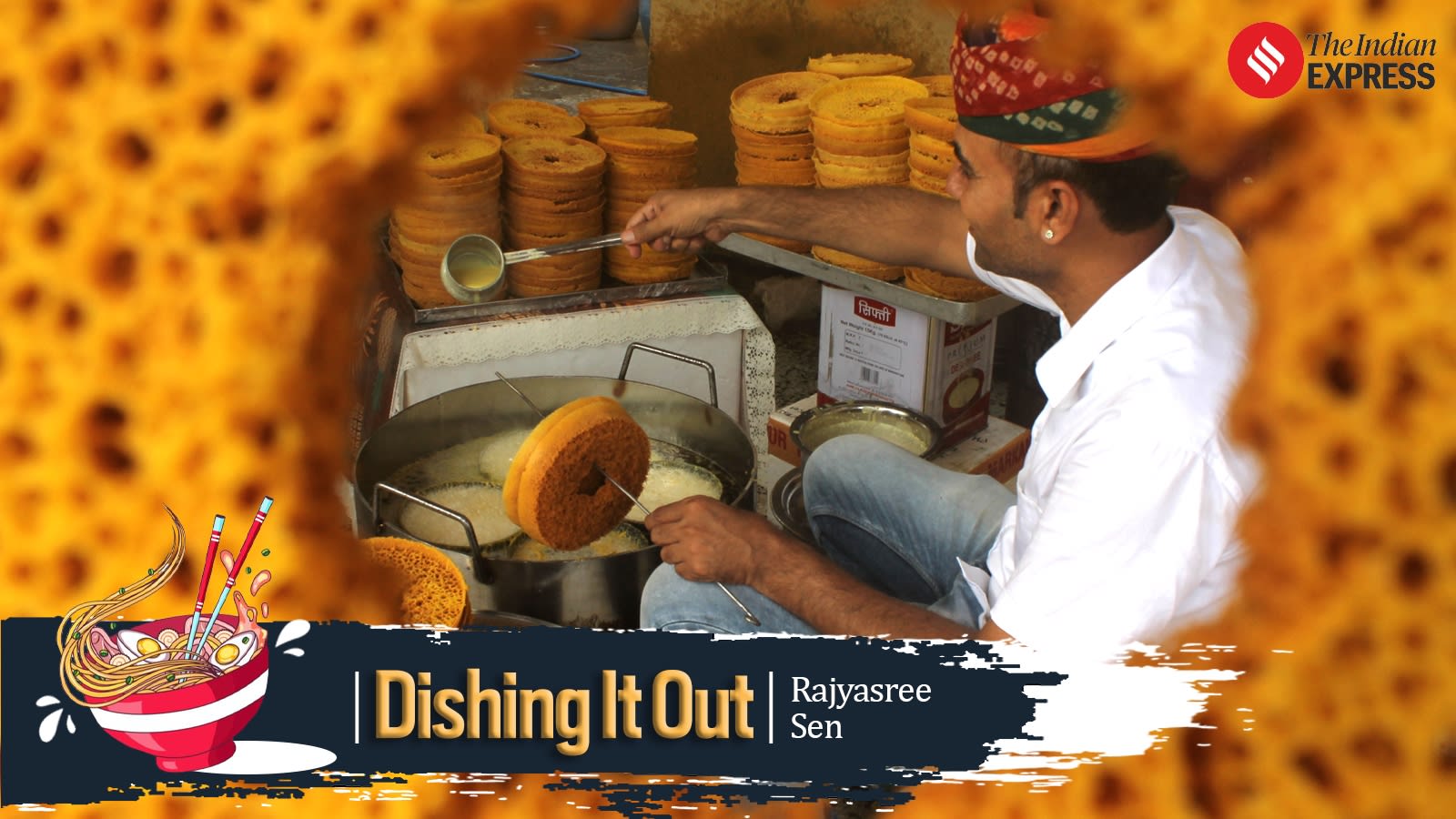
Ghewar, a traditional North Indian sweet, gained international recognition after being featured on MasterChef Australia. Known for its complex preparation and honeycomb-like texture, this deep-fried dessert remains a staple of Indian culinary heritage.
The Cultural Significance of Ghewar
Ghewar, a traditional North Indian dessert, recently found itself in the international spotlight when contestant Depinder Chhibber presented it as "Indian honeycomb" on the globally acclaimed series MasterChef Australia. This identification highlights the unique structural beauty of the dish, which is characterized by its round, flat, and intricate perforated surface. Often garnished with saffron, a variety of dry fruits, and delicate silver varak, ghewar serves as a visual and flavorful centerpiece in North Indian sweet shops, representing a deep-seated culinary tradition that spans generations.
Culinary Craftsmanship and Complexity
At its core, the production of ghewar is a masterclass in precision and temperature control. The base is crafted from wheat flour, specifically maida, which is transformed into a batter that must be handled with extreme care. Unlike many other pastries that rely on baking, ghewar is defined by its deep-frying process. The technique requires a delicate balance: the oil must be maintained at a very high, consistent temperature, while the batter itself must remain ice cold. When the chilled batter meets the hot oil, it creates a signature splattering effect that results in the sweet's iconic honeycomb-like, crispy, and crunchy texture.
Bridging Global and Local Palates
Depinder Chhibber’s description of the dish on MasterChef Australia serves as a bridge between traditional Indian methods and modern global culinary discourse. By equating the dish to a "honeycomb," Chhibber provided an accessible reference point for an international audience unfamiliar with the nuances of Indian confectionery. This moment of representation underscores how Indian regional specialties are increasingly being recognized for their technical difficulty and aesthetic appeal on prestigious global platforms.
The Art of the Sweet Shop
In North India, the presence of ghewar in sweet shops is more than just a culinary offering; it is a marker of cultural identity and seasonal celebration. The process of making it—soaking the fried pastry in sugar syrup and adorning it with luxury elements like silver leaf—is a labor-intensive endeavor that requires significant skill. The fact that the dish is frequently debated, with varying opinions on its flavor profile and texture, only adds to its storied reputation as a complex, tricky-to-master delicacy.
Future Trends in Culinary Representation
As shows like MasterChef Australia continue to diversify their culinary scope, we can expect more traditional sweets like ghewar to gain global visibility. This trend not only validates the complexity of Indian cooking but also encourages a younger generation of chefs to experiment with traditional techniques. The future of such dishes lies in the balance of preserving their original, labor-intensive preparation methods while potentially adapting them for a more diverse, health-conscious, or modern palate, ensuring that the legacy of these traditional sweets remains vibrant in the global kitchen.