Gitanjali J Angmo writes: Problem is not Sanatan Dharma. It’s what politics has done to it
Source Entity
Gitanjali J Angmo
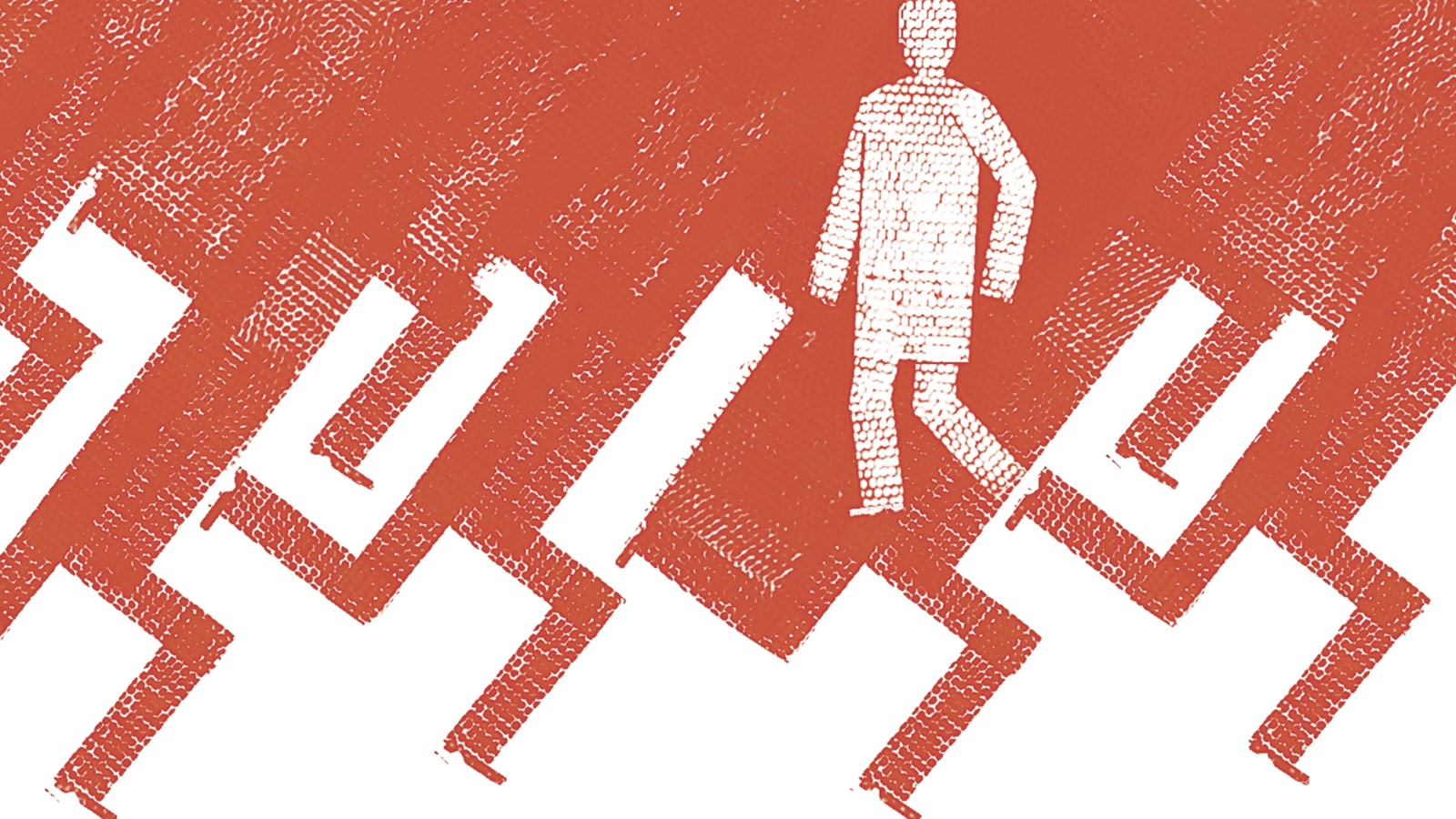
Gitanjali J Angmo examines the political appropriation of the term 'Sanatan Dharma' in India. She argues that the concept has been distorted by partisan divides, obscuring its potential for fostering genuine communal unity.
The Politicization of Sanatan Dharma: A Critical Analysis
Redefining the Collective Spirit
In her recent commentary, Gitanjali J Angmo challenges the contemporary narrative surrounding Sanatan Dharma, suggesting that its true essence is often obscured by the intense polarization of Indian politics. Her analysis centers on the 'Sansad Chalo' protest, where she observed a diverse collective of young people from varying castes, faiths, and regional backgrounds uniting for the cause of education. By sharing resources and protecting one another, these protesters demonstrated a form of social cohesion that Angmo identifies as the authentic expression of Sanatan Dharma—a principle of universal duty and communal harmony that transcends rigid societal divisions.
The Backlash of Partisan Labeling
Despite the inclusive nature of the protest, Angmo’s public association of this event with Sanatan Dharma triggered an immediate and vitriolic backlash. She reports being targeted with labels such as 'Sanghi,' 'BJP stooge,' and 'RSS sympathiser.' This hostile reaction highlights a significant shift in Indian public discourse, where specific cultural and religious terminologies have become heavily coded as markers of political affiliation. The incident serves as a case study for how the ideological battlefield of modern India forces individuals into binary camps, often preemptively silencing nuanced discussions about heritage and philosophy.
Historical Context and Semantic Drift
Historically, Sanatan Dharma has been interpreted as the 'eternal law' or tradition, encompassing broad ethical frameworks that define human conduct. However, in the current political climate, the term has become a lightning rod for debate. Angmo’s experience illustrates a phenomenon of semantic drift, where a term that historically signified a broad, inclusive way of life is now primarily viewed through the lens of electoral strategy and identity politics. This evolution has made it increasingly difficult for citizens to discuss cultural identity without triggering accusations of partisan bias.
The Impact of Political Appropriation
Angmo posits that the core issue is not the philosophy itself, but rather what modern politics has done to it. When political movements co-opt cultural concepts for partisan gain, they inevitably alienate those who do not subscribe to their specific platform. This creates a cycle of suspicion where the mention of tradition is automatically interpreted as a political maneuver rather than a genuine expression of belief or social solidarity. Consequently, the potential for using these shared cultural values to foster national unity is eroded by the constant need to navigate political optics.
Toward a De-politicized Understanding
Moving forward, the challenge for Indian society lies in reclaiming these cultural concepts from the clutches of partisan rhetoric. If the spirit of Sanatan Dharma—as defined by Angmo—is to represent communal unity and service to the greater good, it must be decoupled from the binary labels that currently define it. The future of such discourse depends on whether the public can move past the instinctive labeling of dissenters or proponents and instead engage with the underlying values of community and shared responsibility that the protesters in the 'Sansad Chalo' movement demonstrated.
Conclusion
Gitanjali J Angmo’s reflection serves as a reminder of the fragility of cultural terminology in a hyper-polarized environment. By emphasizing that the protest was a manifestation of universal values rather than a political stunt, she calls for a reassessment of how we interpret and label identity in India. Ultimately, the survival of these philosophical traditions may depend on our ability to separate them from the ephemeral struggles of political power.