Gladiator II stuntman sues over injuries from on-set explosion
Source Entity
BBC News
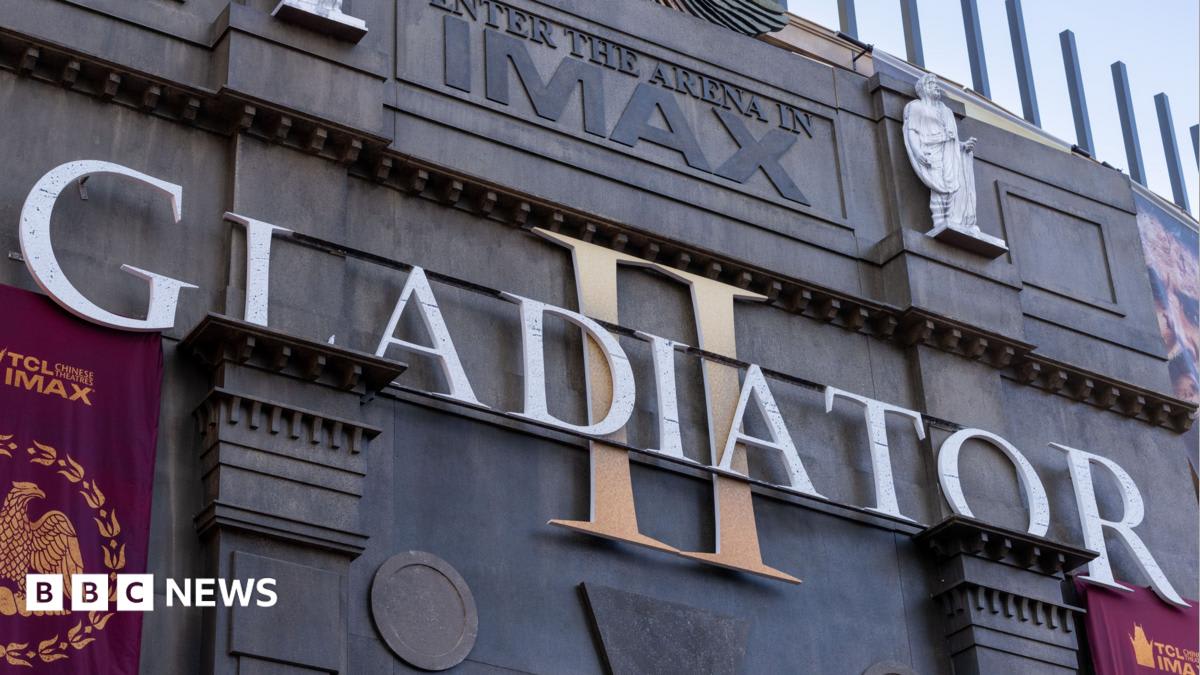
Stuntman Edward Sarsfield is suing the production of Gladiator II following a severe on-set explosion that left him with significant burns. The lawsuit details a dangerous incident involving gas-powered flame bars during the filming of a ship scene.
Stunt Safety Under Scrutiny: The Gladiator II Lawsuit
The Incident at the High Court
Edward Sarsfield, a stunt performer working on the production of Ridley Scott’s Gladiator II, has initiated legal action against the film’s production company following a catastrophic on-set accident. According to documents filed at London’s High Court, Sarsfield was performing as a dead soldier on a set designed to simulate a burning ship. The scene utilized gas-powered flame bars to create visual intensity, placing the performer in immediate proximity to the pyrotechnic infrastructure.
The Mechanics of the Explosion
The claimant alleges that an unexpected gas explosion occurred without warning while he was positioned only feet from the gas lines. The force of the blast reportedly propelled him forward, exposing him to 20-foot flames and intense thermal radiation. The immediate aftermath involved his costume igniting, leading to severe flash burns across 15% of his body. The harrowing nature of the incident forced the performer to flee the scene while suffering from skin trauma, eventually requiring emergency stabilization by colleagues who utilized water and clingfilm to treat the burns.
Broader Implications for Stunt Safety
This lawsuit brings the long-standing debate regarding the safety of practical effects in modern filmmaking to the forefront. While CGI (Computer Generated Imagery) has become the industry standard, directors like Ridley Scott often prefer practical effects to ground their epics in physical reality. However, the use of live gas-powered pyrotechnics necessitates rigorous health and safety protocols. This incident raises critical questions about whether the distance between performers and hazardous equipment was adequately calculated or if safety margins were compromised for the sake of the shot.
Historical Context of Set Injuries
Film sets are complex industrial environments where the pressure to deliver high-budget spectacles can sometimes clash with safety regulations. Historically, the stunt industry has fought for stricter oversight, particularly after high-profile accidents on major blockbuster sets. The legal claim filed by Sarsfield highlights the physical risks inherent in the profession, noting that he suffered not only flash burns but also secondary injuries to his knees and ribs during his desperate escape from the fire.
The Future of Practical Effects
The legal proceedings are likely to serve as a bellwether for how production insurance and safety compliance are handled in the UK film industry. If the court finds that the production failed to provide a safe working environment, it could lead to stricter regulations regarding the use of live fire on sets. This may force studios to lean more heavily on digital enhancements rather than physical pyrotechnics, potentially changing the aesthetic and technical approach to action filmmaking in the coming years.
Concluding Summary
As the case proceeds through the London High Court, the industry will be watching closely to see how liability is assessed. The physical and emotional trauma described by Sarsfield serves as a stark reminder of the human cost behind cinematic spectacle. Ensuring that safety protocols keep pace with the increasing scale of film production remains the primary challenge for studios operating in the modern era.