Women’s safety is a national security issue
Source Entity
Latest News: Todays Latest News Headlines from India & World | Hindustan Times | Hindustan Times
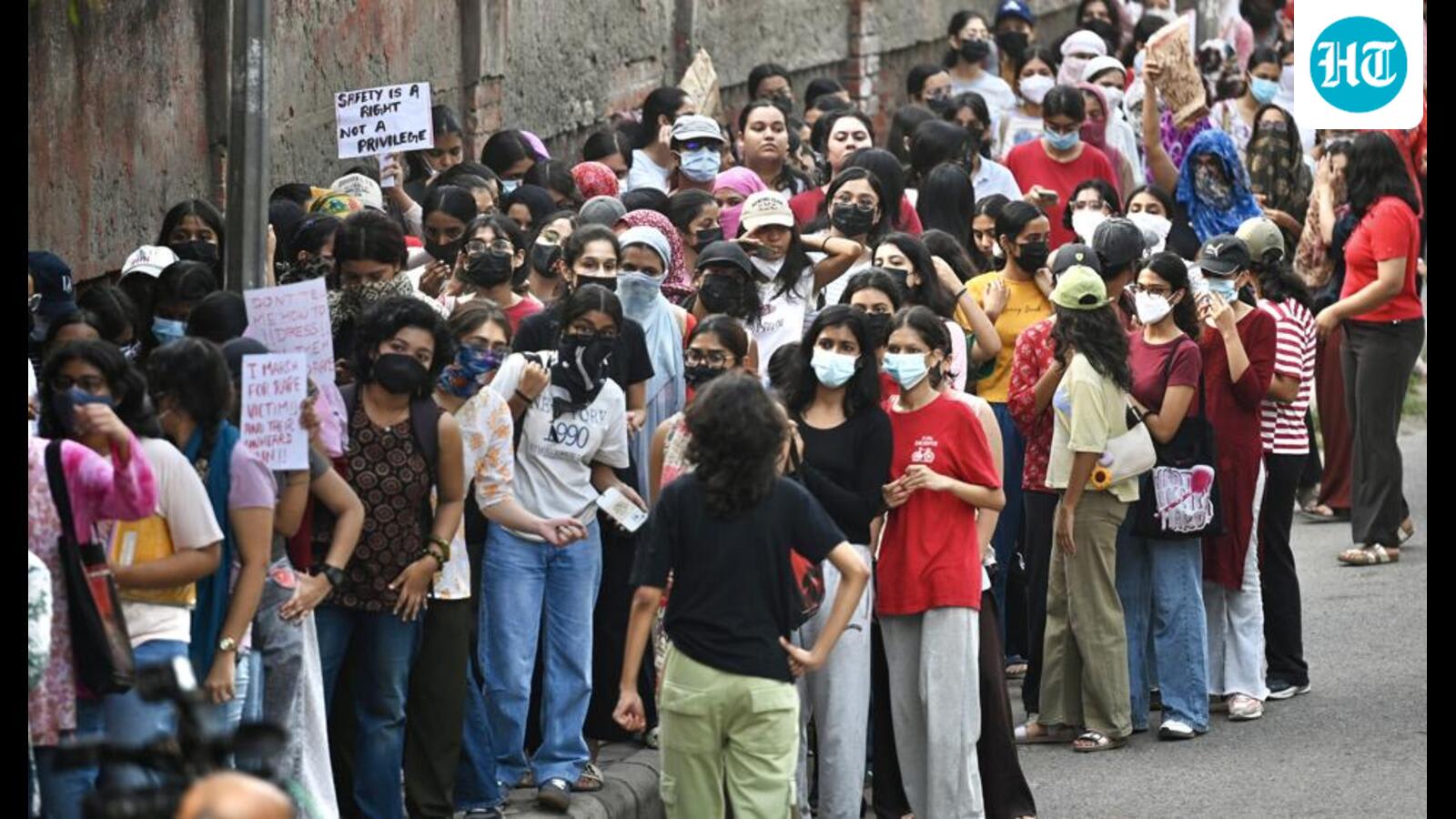
Gender-based violence is increasingly recognized as a systemic failure rather than isolated incidents. Reports from India and South Africa highlight how women's safety is a critical security crisis requiring urgent policy reform.
The Global Crisis of Gender-Based Violence
Recent reports from India and South Africa underscore a harrowing, shared reality: the systemic failure to protect women in public spaces is a pervasive global crisis. In Delhi, the gang-rape of a 17-year-old girl by men posing as police officers in Astha Kunj Park has once again ignited public outrage. Simultaneously, in Johannesburg, South Africa—a nation where the femicide rate is six times the global average—the disappearance and murder of women from a local running club have forced communities to adopt self-policing measures. These incidents are not merely local tragedies; they are indicators of a broader, institutional indifference that renders women's safety a secondary concern in governance.
The Institutional Policy Gap
The fundamental issue lies in how states categorize and prioritize security. In many jurisdictions, crimes against women are treated as isolated law-and-order problems rather than systemic threats to national stability. When governance is viewed through the lens of resource scarcity, the protection of half the population is often relegated to the bottom of the priority list. This 'policy gap' allows for the normalization of violence, where the State fails to implement the multi-agency high alerts that are typically reserved for traditional threats to national security.
The Erosion of Public Space
For women, the 'price of freedom' in public spaces has become increasingly expensive. Whether it is a running club in a Johannesburg suburb or a public park in Delhi, the ability to exist freely without the threat of violence is a basic human right that is currently being denied. When women are forced to track each other’s locations or avoid specific areas entirely, the public sphere effectively shrinks. This self-imposed restriction is a direct consequence of the State’s failure to maintain safe environments, effectively penalizing victims for exercising their freedom.
Comparing Governance and Accountability
South Africa’s recent declaration of gender-based violence as a 'national disaster' represents a pivotal attempt to acknowledge the scale of the issue. In contrast, the Indian context reveals a persistent struggle to move beyond reactive damage control. By treating these incidents as individual crimes rather than systemic failures, the State avoids the structural overhaul required to ensure safety. The case of the 17-year-old girl in Delhi serves as a grim reminder that even symbols of authority—such as police uniforms—are being weaponized, highlighting the deep-seated nature of the threat.
Future Trends and Necessary Reforms
To address this, the narrative must shift from viewing women's safety as a 'women’s issue' to framing it as a core pillar of national security. Future trends suggest that unless governments integrate gender-based violence into their broader security architectures, public trust will continue to erode. This requires not only better policing but also a change in how crimes against women are prioritized during budget allocations and policy development. Only by elevating these concerns to the level of national security can societies begin to dismantle the culture of impunity that currently defines the lives of women globally.
Verification Required?