‘World on edge of abyss today, seeing weaponisation of everything’: Jaishankar at UN
Source Entity
Latest News: Todays Latest News Headlines from India & World | Hindustan Times | Hindustan Times
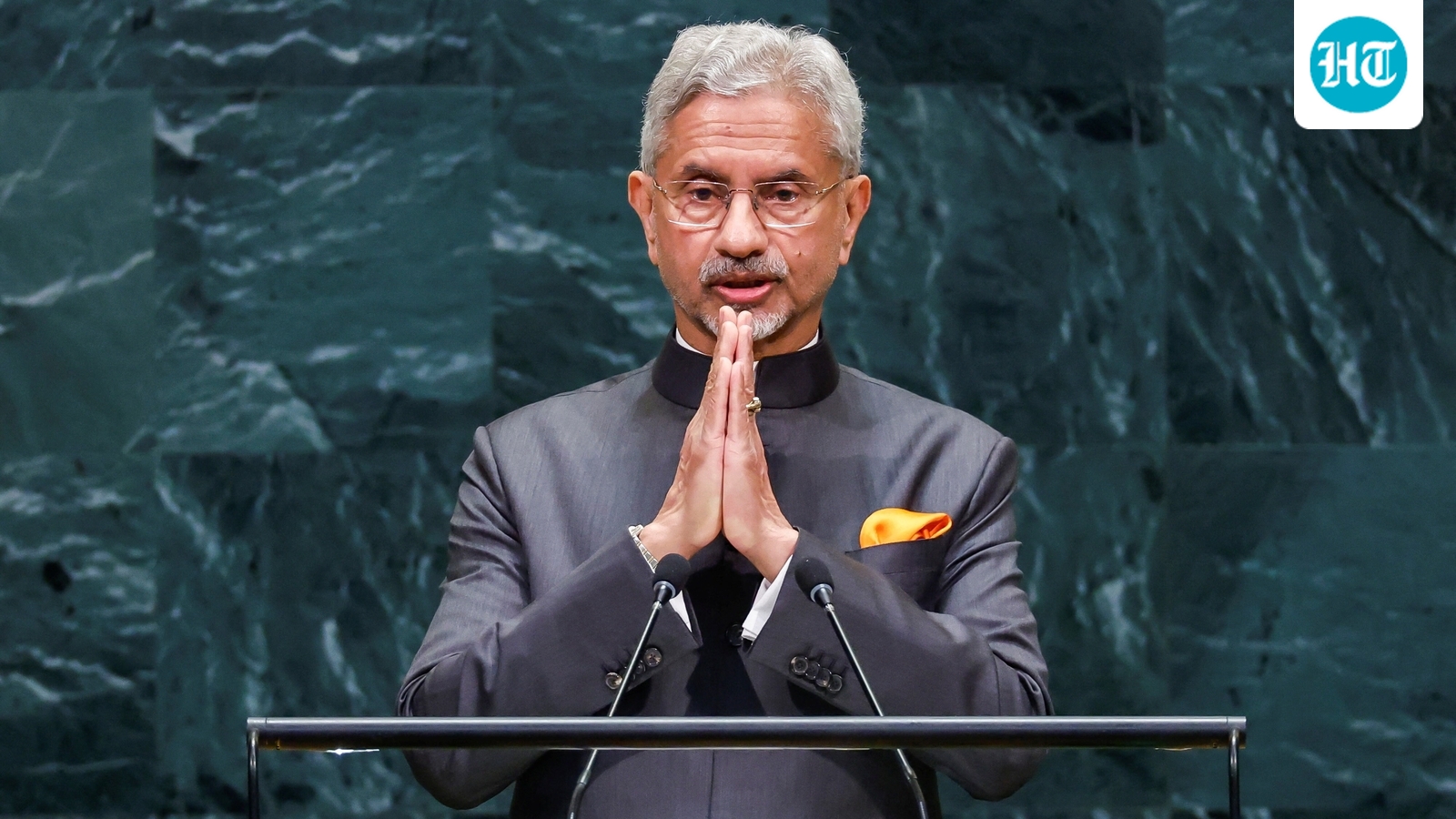
External Affairs Minister S. Jaishankar sharply rebuked a Pakistani journalist at the UN, dismissing accusations of Indian-sponsored terrorism. The exchange occurred during a briefing on maritime security, highlighting the ongoing diplomatic tensions between the two nations.
Diplomatic Tensions Surface at the United Nations
During a recent press briefing at the United Nations headquarters in New York, Indian External Affairs Minister S. Jaishankar delivered a pointed and widely noted retort to a Pakistani journalist. The interaction occurred following a joint address with Liberian Foreign Minister Sara Beysolow Nyanti, where the focus was ostensibly on the launch of a 'Group of Friends' initiative dedicated to the safety and security of global shipping and seafarers. The shift from maritime security to geopolitical confrontation underscores the volatile nature of India-Pakistan relations on the international stage.
The Confrontation
When prompted by a Pakistani journalist regarding allegations of India sponsoring terrorism within Pakistan—and further questions concerning a Sikh leader in New York—Minister Jaishankar did not engage with the premise of the accusations. Instead, he dismissed the query with a sharp, categorical rebuttal: 'A terrorist country is asking me that question. Come on.' This response reflects India's long-standing diplomatic strategy of refusing to entertain narratives that equate Indian state policy with the support of militant activities.
Contextualizing the Maritime Security Focus
It is significant that this exchange took place in the context of a broader discussion on maritime security. Jaishankar had been highlighting the increasing frequency of attacks on commercial shipping across vital waterways, including the Strait of Hormuz and the Gulf of Oman. By warning that such incidents are no longer 'exceptional,' the Minister was signaling a shift in how India approaches global security challenges, moving toward a more assertive role in protecting international trade routes.
The Broader Geopolitical Landscape
This incident is indicative of the deep-seated mistrust that characterizes the India-Pakistan bilateral relationship. For India, the 'terrorist country' label is a rhetorical tool used to frame Pakistan’s historical support for cross-border militancy. Conversely, the journalist’s line of questioning represents the persistent efforts by Pakistani media and state stakeholders to project an image of India as an aggressor, particularly in international forums like the UN.
Strategic Implications
By choosing to shut down the line of questioning rather than addressing it in detail, Jaishankar signaled a shift in India's diplomatic posture. New Delhi appears increasingly unwilling to allow its international agenda—such as maritime security and the protection of seafarers—to be derailed by what it perceives as 'heckling' or propaganda-driven questions. This approach suggests that India is prioritizing its role as a global 'net security provider' over engaging in cyclical debates with its neighbor.
Future Trends in Diplomatic Discourse
Looking ahead, this exchange suggests that India will continue to maintain a firm, high-visibility stance against narratives it deems harmful to its national reputation. As India seeks a more prominent position in global governance, including potential permanent representation on the UN Security Council, it is likely that its representatives will continue to use such platforms to firmly reject allegations of regional instability while simultaneously steering the conversation toward India’s contributions to global security, such as the protection of critical maritime trade routes.
Multiple Citing Sources
Verification Required?