Nor’easter map, tracker and power outage updates for Massachusetts, Maine, Rhode Island, New Hampshire, Maryland and NC
Source Entity
Latest News: Todays Latest News Headlines from India & World | Hindustan Times | Hindustan Times
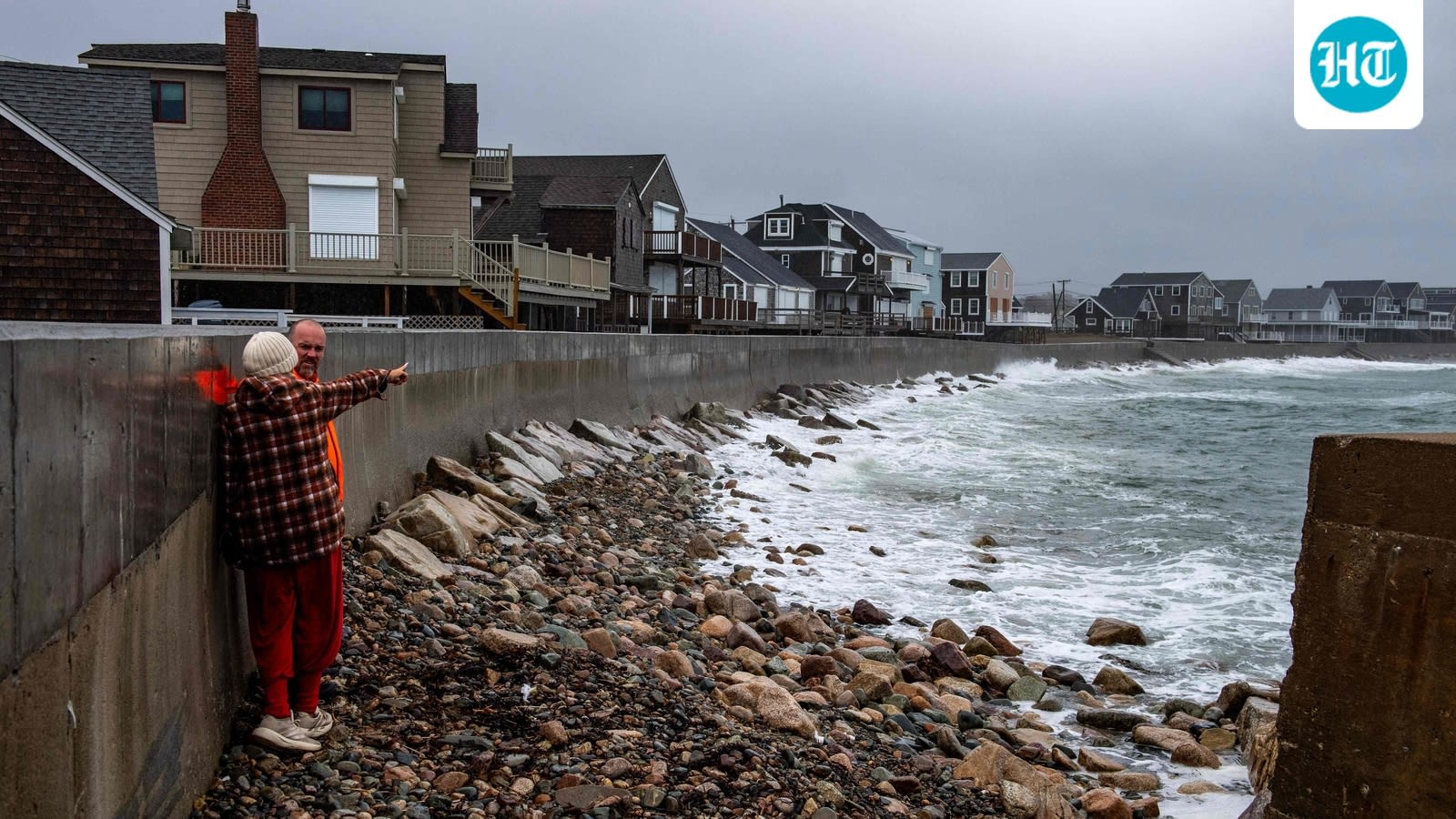
A powerful nor'easter is currently impacting the U.S. East Coast, causing significant power outages, coastal flooding, and travel disruptions. Authorities are monitoring multiple states as the storm brings heavy rain and high winds throughout the weekend.
The Impact of the Recent Nor'easter on the U.S. East Coast
A powerful nor'easter has descended upon the United States East Coast, creating widespread disruption across a vast corridor stretching from North Carolina to Maine. The meteorological event, characterized by its intense northeasterly winds, has brought a dangerous combination of heavy rainfall, high-velocity winds, and significant coastal flooding. As the storm intensifies, authorities have issued warnings across multiple states, including Massachusetts, Maine, Rhode Island, New Hampshire, Maryland, and North Carolina, highlighting the expansive reach of this weather system.
Infrastructure and Grid Stability
One of the most immediate consequences of this storm has been the strain on local power grids. In Massachusetts alone, the Massachusetts Emergency Management Agency (MEMA) reported that roughly 6,000 customers were without power as of Saturday afternoon. These outages, caused by wind damage to utility lines, illustrate the vulnerability of regional infrastructure during severe autumn storms. Residents are currently utilizing state-provided outage maps to track restoration efforts, which remain ongoing as emergency crews battle adverse conditions.
Meteorological Forecast and Coastal Risks
According to the National Weather Service, the threat is far from over. The storm is expected to deliver major coastal flooding to the Mid-Atlantic region, with concerns persisting over multiple high tide cycles throughout the weekend. The combination of saturated ground from heavy rain and the surge from high tides creates a high risk for property damage and significant travel disruptions in major metropolitan hubs, including Boston, New York, and Philadelphia.
Transportation and Travel Disruptions
The impact on transportation has been severe, with the storm forcing the cancellation of hundreds of flights across the region. Travelers are facing significant delays as airlines adjust to the dangerous conditions. The combination of reduced visibility, flooded roadways, and high winds has turned travel into a hazardous endeavor, forcing authorities to advise against non-essential movement during the height of the storm.
Broader Implications and Future Trends
This event underscores the increasing volatility of autumn weather patterns along the Eastern Seaboard. Nor'easters are a seasonal reality, but their ability to disrupt modern life—from regional power stability to international travel logistics—remains a significant challenge for emergency management agencies. As the storm continues its path, the focus remains on public safety, the mitigation of flood damage, and the gradual restoration of services to affected populations.
Conclusion
The current nor'easter serves as a stark reminder of the power of coastal weather systems. With the National Weather Service monitoring multiple high-tide cycles, the situation remains fluid. Residents across the affected states are urged to stay informed through official channels and prioritize safety until the storm system fully passes.
Multiple Citing Sources
Verification Required?