The global memory shortage hits the MacBook Air
Source Entity
Anthony Ha
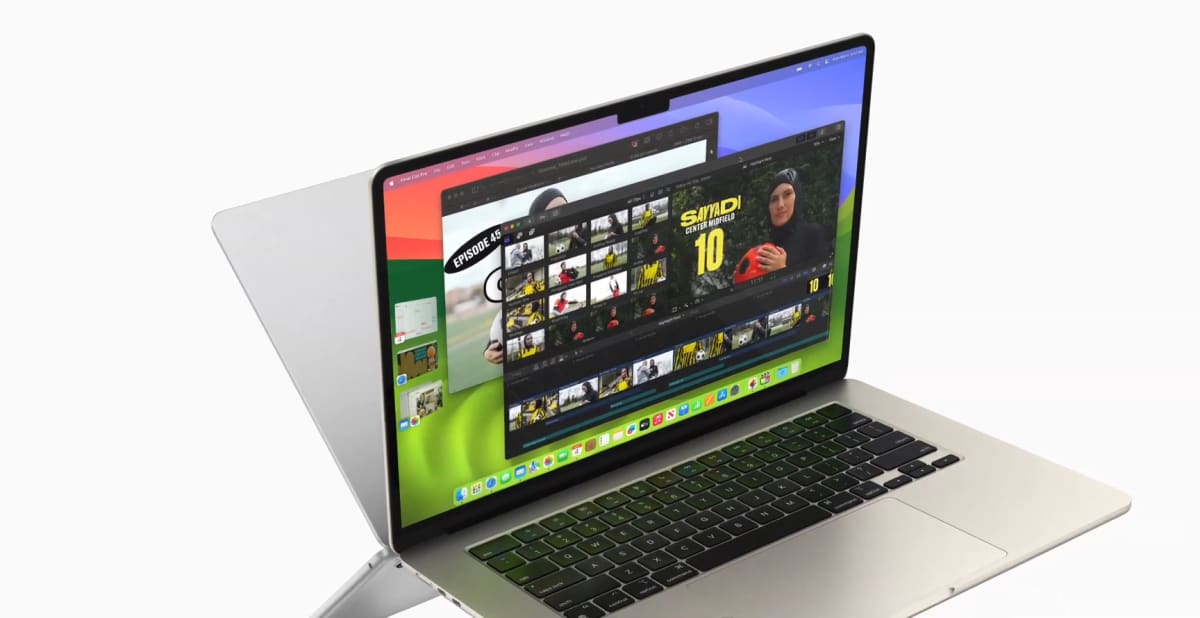
A global memory chip shortage, driven by high demand from AI companies, is causing significant supply constraints for Apple's MacBook Air. Apple is responding by diversifying its supply chain to include Chinese suppliers and adjusting pricing strategies.
The Global Chip Crisis Hits Apple's Flagship
The technology sector is currently grappling with a significant supply chain disruption as the global memory chip shortage begins to severely impact the availability of the MacBook Air. According to reports from Bloomberg’s Mark Gurman, what was once a localized issue affecting niche devices has now escalated to Apple’s most popular laptop, signaling a deepening crisis for consumer electronics manufacturers.
The AI Factor: A Catalyst for Scarcity
At the heart of this disruption is the insatiable demand for high-performance memory chips from the artificial intelligence industry. As massive data centers and AI-driven hardware require unprecedented amounts of specialized memory to power large language models and machine learning workflows, the available supply for consumer-grade hardware has been squeezed. This competition for silicon resources has created a bottleneck that is forcing companies like Apple to reprioritize their inventory allocations.
Escalating Impact on Apple’s Ecosystem
Initially, the supply constraints were observed primarily within Apple’s professional and niche product lines, specifically the Mac mini and Mac Studio. However, the current situation marks a transition into the mainstream market. Retailers and consumers alike are reporting unprecedented delays, with the official Apple store showing extended lead times that stretch into late August and September for various MacBook Air configurations. This shift underscores the severity of the shortage and its ability to permeate even the most robust supply chains.
Strategic Responses and Supply Chain Diversification
To mitigate these disruptions, Apple is reportedly pursuing a multi-pronged strategy. One of the most significant shifts involves diversifying its sourcing channels by turning to Chinese suppliers for memory components. This move represents a strategic pivot aimed at bypassing current bottlenecked providers. Furthermore, there are indications that Apple is utilizing price adjustments to manage demand and offset the increased costs associated with navigating a volatile global semiconductor market.
Broader Implications for the Tech Industry
The ripple effects of this shortage are already being felt in the retail sector, with the company’s annual back-to-school promotion facing notable delays. This is not merely an inconvenience for students; it reflects the broader instability in the hardware market. As AI continues to dominate capital expenditure in the tech sector, consumer hardware manufacturers will likely continue to face a tug-of-war for essential components. Experts anticipate that until global fabrication capacity catches up with the current AI-driven demand, consumers should prepare for longer wait times and potential price fluctuations for high-end electronic goods.