Global Refiners Are Cutting Out Oil Traders To Buy Venezuelan Crude Directly
Source Entity
Yahoo Finance
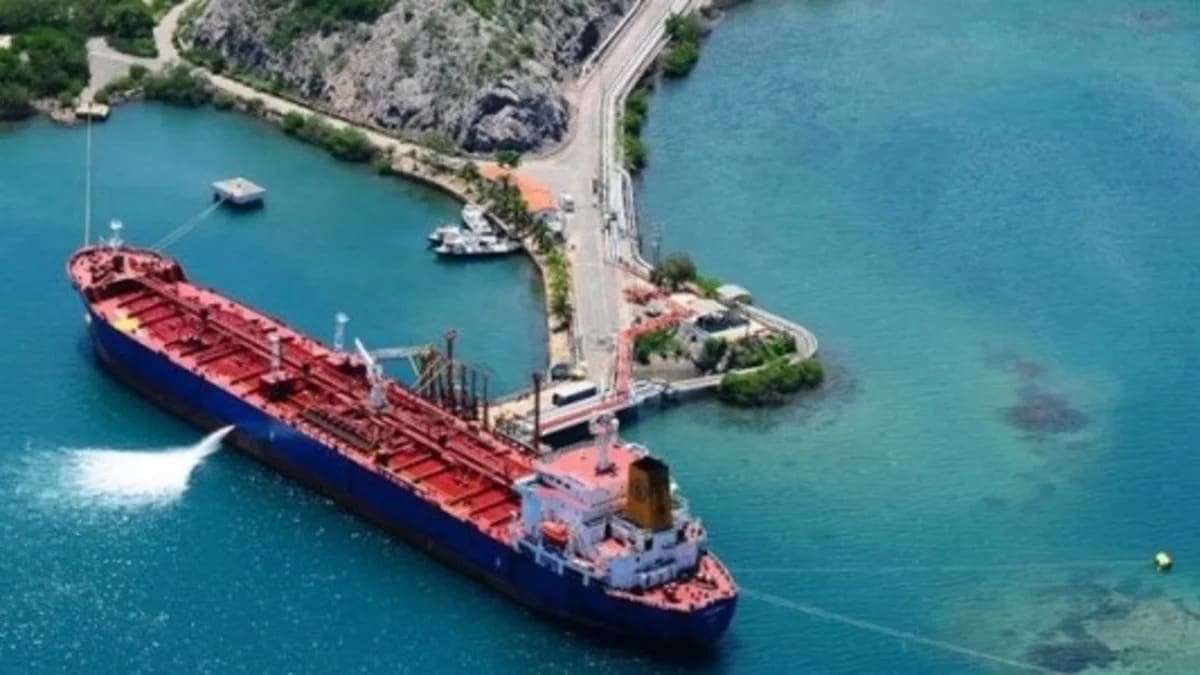
Global refiners are increasingly bypassing traditional commodity traders to secure direct supply contracts with Venezuela's state-run PDVSA. This shift threatens the dominance of major trading houses like Vitol and Trafigura while stabilizing supply chains for companies like Reliance Industries and Phillips 66.
The Shift in Venezuelan Oil Logistics
Global oil markets are witnessing a significant structural shift as major refiners move to cut out intermediary commodity traders. For years, entities like Vitol and Trafigura served as the primary conduits for Venezuelan crude, leveraging their expertise to navigate the complex sanctions and logistical hurdles associated with state-run Petróleos de Venezuela, S.A. (PDVSA). However, recent reports indicate that this landscape is rapidly changing as refiners seek to secure direct access to supply lines.
Bypassing the Middlemen
The move by major refiners to deal directly with PDVSA represents a strategic effort to capture higher margins and ensure supply reliability. By removing the trading houses—which historically took a cut of the profits for facilitating these transactions—refiners like Phillips 66 and India's Reliance Industries are effectively streamlining their procurement processes. This trend indicates that the market has reached a level of maturity where refiners are now comfortable managing the operational risks that were once exclusively the domain of specialized commodity traders.
Key Players and Market Entry
The entry of industry giants such as Phillips 66 and Reliance Industries into direct agreements with PDVSA marks a turning point in post-sanction recovery efforts for Venezuela. With companies like Valero and Thailand's Tipco expected to follow suit, the reliance on third-party traders is diminishing. This transition is not merely logistical; it is a fundamental reconfiguration of the power dynamics within the energy sector, shifting influence away from traders and back toward the producers and end-users.
Impact on Trading Houses
For commodity trading houses like Trafigura and Vitol, which enjoyed a significant 'first-mover advantage' in the reopening of the Venezuelan market, this trend poses a substantial threat to their revenue streams. Having acted as the primary intermediaries during the initial stages of the market's reactivation, these firms are now finding their roles marginalized. As refiners grow more confident in their ability to engage directly with PDVSA, the lucrative commissions previously enjoyed by these traders are being squeezed.
Broader Market Implications
The direct supply model is likely to become the standard as global demand for crude remains high and refiners prioritize the security of their feedstock. This shift suggests a future where the role of the 'middleman' in the oil industry is increasingly scrutinized for cost-effectiveness. As more refiners finalize direct contracts, the transparency of the Venezuelan oil trade is expected to increase, potentially leading to more stable price discovery mechanisms for PDVSA's output.
Conclusion
In summary, the transition toward direct-to-refiner supply chains in Venezuela marks the end of an era for the dominant commodity traders. By locking in direct agreements with PDVSA, refiners are securing their long-term supply needs while reducing dependence on external intermediaries. This move not only optimizes costs for companies like Phillips 66 and Reliance but also signals a broader trend toward vertical integration in the global energy trade.