Goa: No seminars by outsiders without govt nod, educational institutions told
Source Entity
Pavneet Singh Chadha
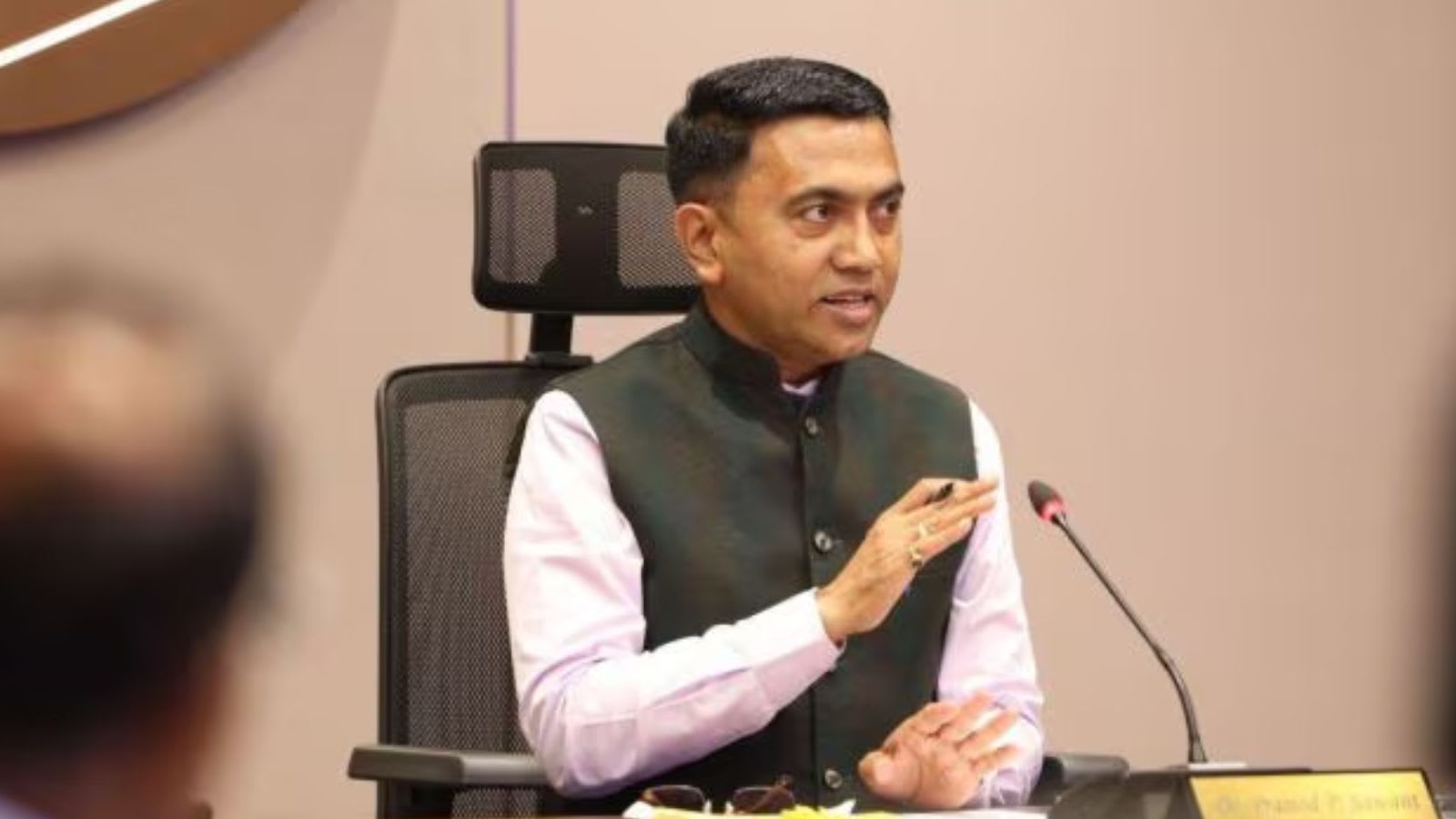
The Goa government's Directorate of Education has mandated that all educational institutions in the state obtain official government approval before allowing external speakers or organizations to conduct seminars, citing the need to safeguard the academic environment.
Government Oversight in Goa's Academic Sphere
In a significant move to tighten control over the intellectual and extracurricular landscape of its schools and colleges, the Goa government’s Directorate of Education has issued a directive requiring all educational institutions to obtain prior government approval before hosting seminars conducted by external parties. The stated objective of this mandate is to "safeguard the academic environment," suggesting a concern from the administration regarding the nature of the content being delivered to students by individuals not directly employed by the institutions.
The Drive for Academic Regulation
This directive represents a shift toward centralized oversight of educational engagement. By requiring a "government nod" for outsiders, the state is effectively positioning itself as a gatekeeper for information and discourse within the classroom. From a regulatory perspective, the government may be attempting to prevent the infiltration of non-academic agendas, political indoctrination, or the dissemination of misinformation that could potentially disrupt the stability of the learning environment. This move ensures that any external influence is vetted against the state's educational standards and guidelines.
Implications for Academic Freedom
While the goal of "safeguarding" is presented as a protective measure, the directive raises critical questions regarding academic freedom and the open exchange of ideas. Traditionally, educational institutions have operated with a degree of autonomy in inviting subject matter experts, activists, and professionals to provide students with diverse perspectives. The imposition of a bureaucratic layer of approval could potentially stifle this intellectual curiosity, as institutions may avoid inviting controversial yet valuable speakers to avoid the hassle of government scrutiny or the risk of rejection.
Bureaucratic Hurdles and Implementation
The practical implementation of this rule is likely to create additional administrative burdens for school and college heads. The process of applying for and receiving approval for every external seminar could lead to delays, causing institutions to miss out on time-sensitive opportunities or the availability of renowned experts. Furthermore, the criteria for what constitutes a "safe" or "approved" seminar remain vague, which could lead to inconsistent application of the rule across different institutions, depending on the political leaning or strictness of the reviewing official.
Broader Context of Educational Control in India
This development in Goa mirrors a broader national trend across India, where there has been an increasing emphasis on aligning educational content with state-approved narratives. From the revision of textbooks to the monitoring of university curricula, there is a visible push to ensure that the "academic environment" is shielded from influences deemed counter-productive to national or state interests. The Goa directive is a localized manifestation of this systemic trend, emphasizing the state's role in curating the intellectual intake of the youth.
Future Outlook and Potential Outcomes
Moving forward, the impact of this directive will likely be measured by the transparency of the approval process. If the government maintains a fair and swift vetting system, the disruption may be minimal. However, if the "nod" becomes a tool for censorship, it could lead to a sterile academic environment where only government-sanctioned views are presented. This may ultimately hinder the development of critical thinking skills among students, who benefit most from encountering and debating conflicting viewpoints in a controlled academic setting.
Conclusion
The Goa government's decision to regulate external seminars is a double-edged sword. While it aims to protect students from potentially harmful or irrelevant external influences, it risks compromising the spirit of academic inquiry. The balance between state security/stability and intellectual liberty will be the defining tension of this policy's execution.