Officials told to prepare extensive healthcare plan for Godavari Pushkarams 2027
Source Entity
India Latest News: Top National Headlines Today & Breaking News | The Hindu
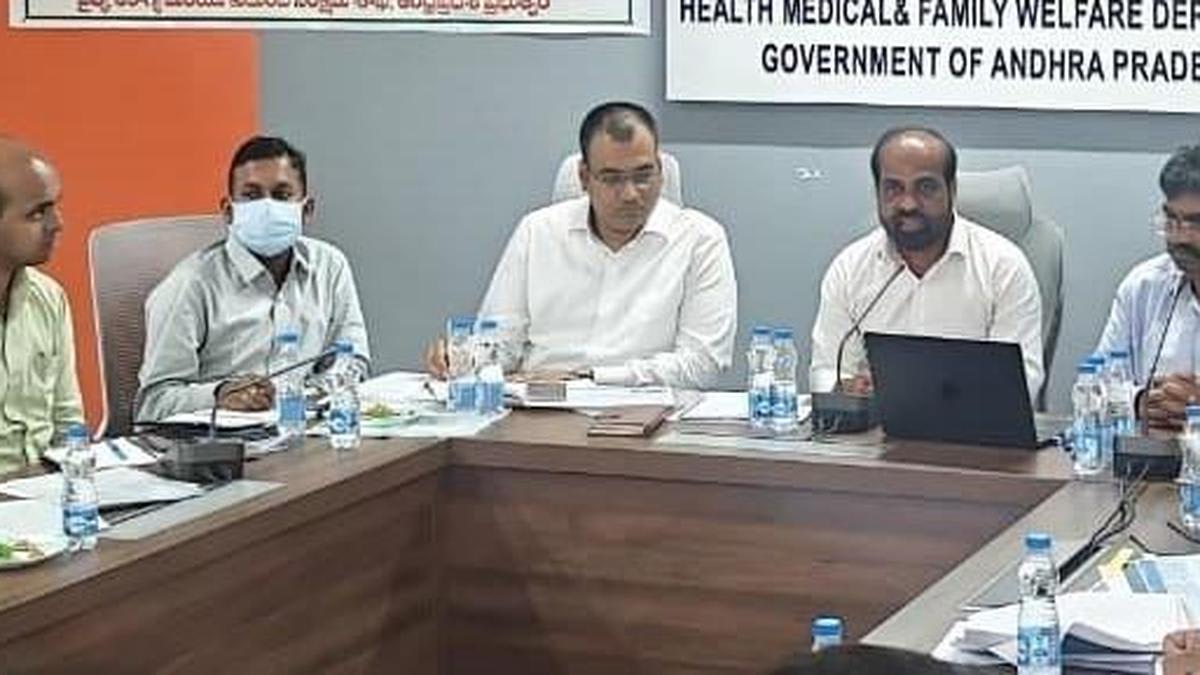
Health Minister Satya Kumar Yadav has ordered an extensive healthcare plan for the Godavari Pushkarams 2027, expecting up to 10 crore pilgrims. The initiative prioritizes public health, water safety, and infrastructure optimization to manage the massive influx of devotees.
Preparing for the Godavari Pushkarams 2027
Health Minister Satya Kumar Yadav has initiated a high-level review of the healthcare infrastructure required for the upcoming Godavari Pushkarams, scheduled for June 26 to July 7, 2027. With an anticipated attendance of 8 to 10 crore devotees, the scale of this religious event presents a significant logistical and public health challenge for the state. The administration is focused on ensuring that the massive influx of pilgrims does not overwhelm local health systems.
Prioritizing Public Health and Disease Control
Central to the Minister’s directive is the strict monitoring of drinking water quality and food safety, which are critical during mass gatherings where the risk of waterborne and communicable diseases is elevated. By mandating rigorous oversight, the government aims to prevent outbreaks that could compromise the safety of millions. Additionally, the directive to fill pending vacancies within the health department indicates a proactive approach to strengthening the workforce ahead of the event.
Infrastructure and Financial Oversight
During the review meeting at APIIC Towers in Mangalagiri, officials proposed an initial estimate of ₹93 crore for 490 civil works. Minister Yadav, however, emphasized the need for fiscal discipline, urging officials to streamline expenditures and focus exclusively on essential infrastructure. This approach balances the necessity of providing adequate facilities at the 525 bathing ghats across East Godavari, West Godavari, Dr. B.R. Ambedkar Konaseema, Eluru, and Kakinada districts with the need for prudent financial management.
Regional Impact and Development
The development of 525 bathing ghats reflects the extensive spatial footprint of the 2027 Pushkarams. By distributing infrastructure across multiple districts, the government is attempting to decentralize the crowd flow, which is a vital strategy for disaster management and crowd control. The integration of civil works with medical preparedness highlights a holistic approach to event management, ensuring that both the physical environment and the health services are synchronized.
Future Trends and Long-term Implications
The proactive planning for an event nearly a year in advance underscores the evolving nature of mass event management in India. As the state prepares for the 2027 event, the emphasis on reducing costs while maximizing efficiency sets a precedent for future large-scale public gatherings. By prioritizing permanent health improvements—such as filling vacancies and establishing robust monitoring protocols—the state is looking to leave a legacy of better health infrastructure long after the pilgrims have departed.
Conclusion
The comprehensive planning for the Godavari Pushkarams 2027 demonstrates a commitment to public safety and infrastructure readiness. By balancing the massive scale of the expected attendance with a focus on fiscal responsibility and health security, the government is positioning itself to manage one of the world's largest religious gatherings effectively. The success of these preparations will likely serve as a benchmark for future state-level event management strategies.
Verification Required?