Nepal flash floods: Three bodies recovered from Gandak river in U.P.'s Kushinagar
Source Entity
India Latest News: Top National Headlines Today & Breaking News | The Hindu
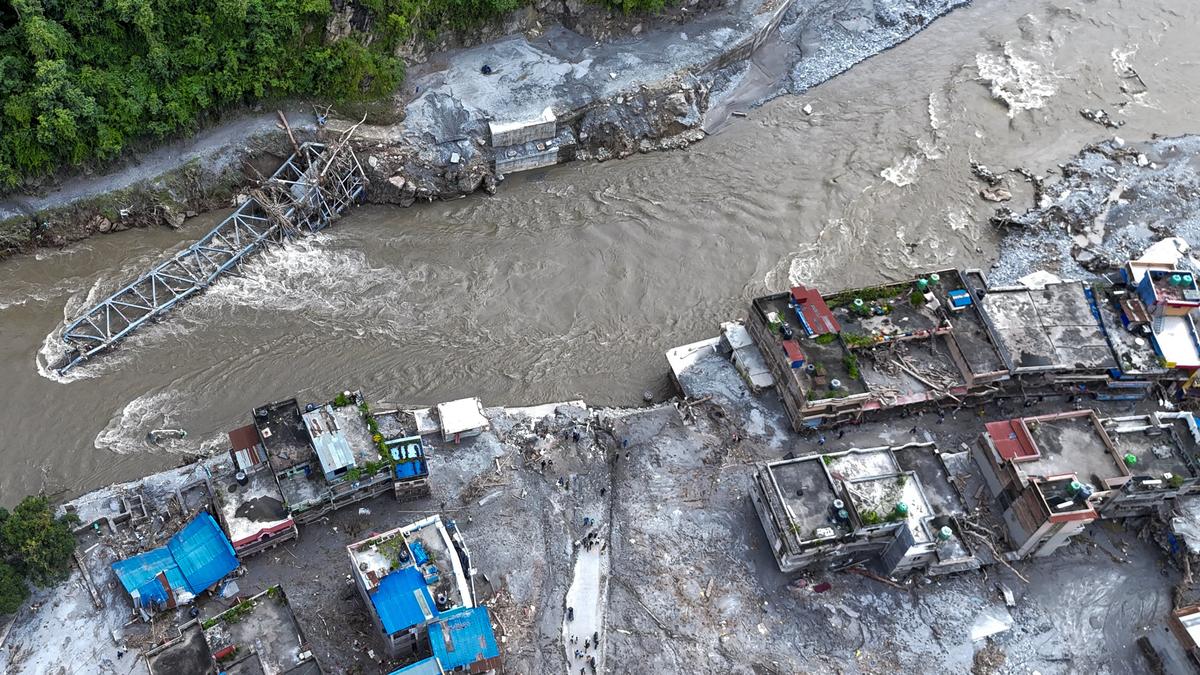
Recent events in India include a high-alert status in Uttar Pradesh and Bihar due to severe flash floods in Nepal, and rising communal tension in Raebareli following the desecration of an Ambedkar statue. Authorities are managing both the flood risk and law-and-order situation to maintain public safety.
Crisis Management: Floods and Social Unrest in North India
Nepal Flash Floods and Cross-Border Implications
Recent severe weather events in neighboring Nepal have triggered a cascade of emergency responses across North India. Heavy rainfall, compounded by the necessary opening of barrage gates, has placed the Indian states of Uttar Pradesh and Bihar on high alert. The flash floods, originating approximately 200 kilometers north of the border, have caused significant loss of life and left hundreds of tourists, including over 100 Indian nationals, missing. This environmental crisis highlights the vulnerability of the Indo-Nepal border regions to transboundary water management issues.
Hydrological Risks to Indian River Basins
The geographical connectivity between Nepal’s mountain valleys and India’s river systems poses a direct threat to infrastructure and life. The surge in water levels is expected to impact the Ghaghara, Rapti, Gandak, and Kosi rivers. The Gandak, in particular, is receiving increased inflow from the Trishuli river, which itself carries the discharge from the Bhote Koshi originating in Tibet. This interconnected river network underscores the importance of real-time data sharing and cross-border coordination between India and Nepal to mitigate downstream disaster risks.
Social Tension in Raebareli
Simultaneously, the region of Raebareli, specifically Baburiha village, has faced internal instability due to the desecration of a statue of Dr. B.R. Ambedkar. The act of smearing mud and soot on the statue during the night of August 25, 2026, has sparked significant public anger among local residents and followers of the late social reformer. Such incidents often act as flashpoints for wider societal friction, necessitating immediate intervention from law enforcement to prevent the escalation of community unrest.
Law Enforcement and Administrative Response
In response to the Raebareli incident, local authorities, including the Additional Superintendent of Police and the Circle Officer of Unchahar, moved swiftly to the site. By engaging directly with the aggrieved villagers and promising a transparent and rigorous investigation, the police have managed to bring the immediate situation under control. The deployment of security forces serves as a vital precautionary measure to maintain the peace while the search for the unknown miscreants continues.
Broader Implications and Future Outlook
These disparate events—the natural disaster affecting the northern borders and the social tensions in Uttar Pradesh—highlight the multifaceted challenges facing Indian regional governance. The flood situation emphasizes the need for long-term climate adaptation and infrastructure resilience in flood-prone river basins. Conversely, the statue desecration incident underscores the ongoing necessity for local authorities to prioritize communal harmony and swift justice to maintain order. Both situations demonstrate the critical role of proactive administrative oversight in safeguarding public welfare.
Multiple Citing Sources
Verification Required?