A decade of internal AI battles is finally catching up to Google
Source Entity
Christine Ji
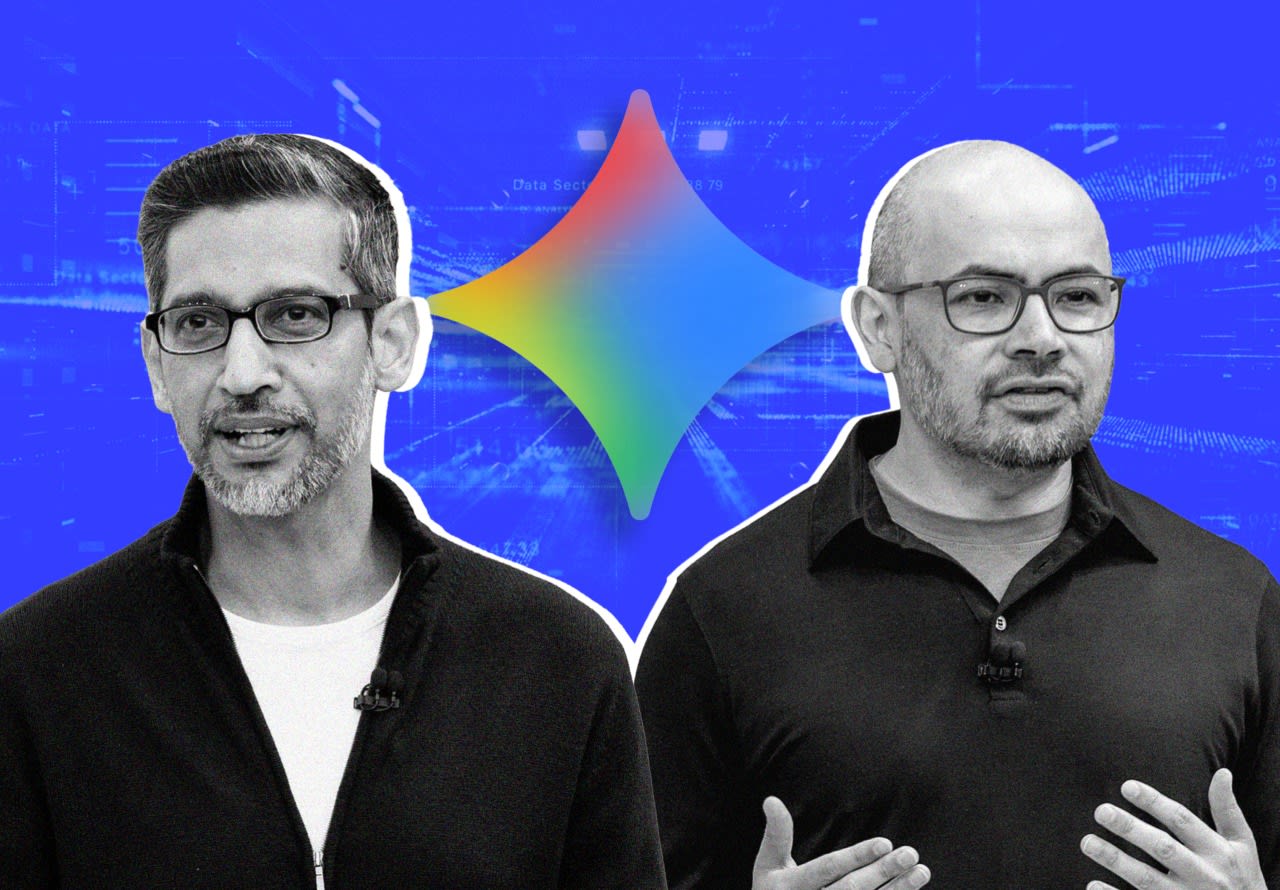
Google's 2014 acquisition of DeepMind has proven to be a double-edged sword, serving as both a technical backbone and a source of internal cultural tension. A decade later, these long-standing organizational frictions are increasingly impacting the company's AI strategy.
The DeepMind Dilemma: A Decade of Friction
Since Google’s landmark acquisition of the London-based AI research lab DeepMind in 2014, the relationship between the two entities has been defined by a complex duality. On one hand, DeepMind has served as the intellectual engine for Google’s most ambitious artificial intelligence breakthroughs. On the other, it has functioned as a persistent source of organizational friction, highlighting the difficulties of integrating a mission-driven research laboratory into a massive, product-focused corporate ecosystem.
The Cultural Chasm
At the heart of this tension lies a fundamental mismatch in organizational philosophy. DeepMind was founded with an academic, research-first ethos, often prioritizing long-term scientific discovery over immediate commercial application. Conversely, Google—despite its history of moonshot projects—is ultimately beholden to the demands of a publicly traded company requiring iterative product cycles and quarterly revenue growth. This friction has played out over the last decade as teams struggled to balance the pursuit of AGI (Artificial General Intelligence) with the need to integrate these tools into existing Google services.
Strategic Integration Challenges
The integration of DeepMind into the broader Google structure was not merely a matter of merging codebases; it required aligning two distinct professional cultures. Over the years, this has manifested as a struggle for resource allocation and strategic direction. As AI transitioned from a speculative research area to the core of Google’s business model, the autonomy previously enjoyed by DeepMind researchers began to clash with the necessity for a unified company-wide AI strategy, leading to internal power struggles that have slowed decision-making processes.
Historical Context and Institutional Hurdles
Looking back, the 2014 acquisition was seen as a victory for Google’s dominance in the tech sector, yet it also sowed the seeds for modern internal complexity. The specialized nature of DeepMind’s talent pool often meant that these researchers operated in a silo, detached from the broader product teams at Google. This isolation, while beneficial for high-level research, created a 'them versus us' mentality that has historically hindered the seamless deployment of AI innovations into the hands of users.
The Future of Google's AI Strategy
As Google faces unprecedented pressure from competitors in the generative AI space, these decade-old internal battles are now manifesting in public-facing product cycles. The challenge for leadership moving forward is to reconcile the research-heavy culture of DeepMind with the practical, fast-paced demands of the current market. If Google is to regain its momentum, it must find a way to mitigate the organizational friction that has plagued its AI divisions for ten years, ensuring that the brilliant research produced in London translates effectively into a cohesive global strategy.
Verification Required?