NDTV Exclusive: AI Is Too Important Not To Regulate, Says Google DeepMind's Top Voice
Source Entity
NDTV News Search Records Found 1000
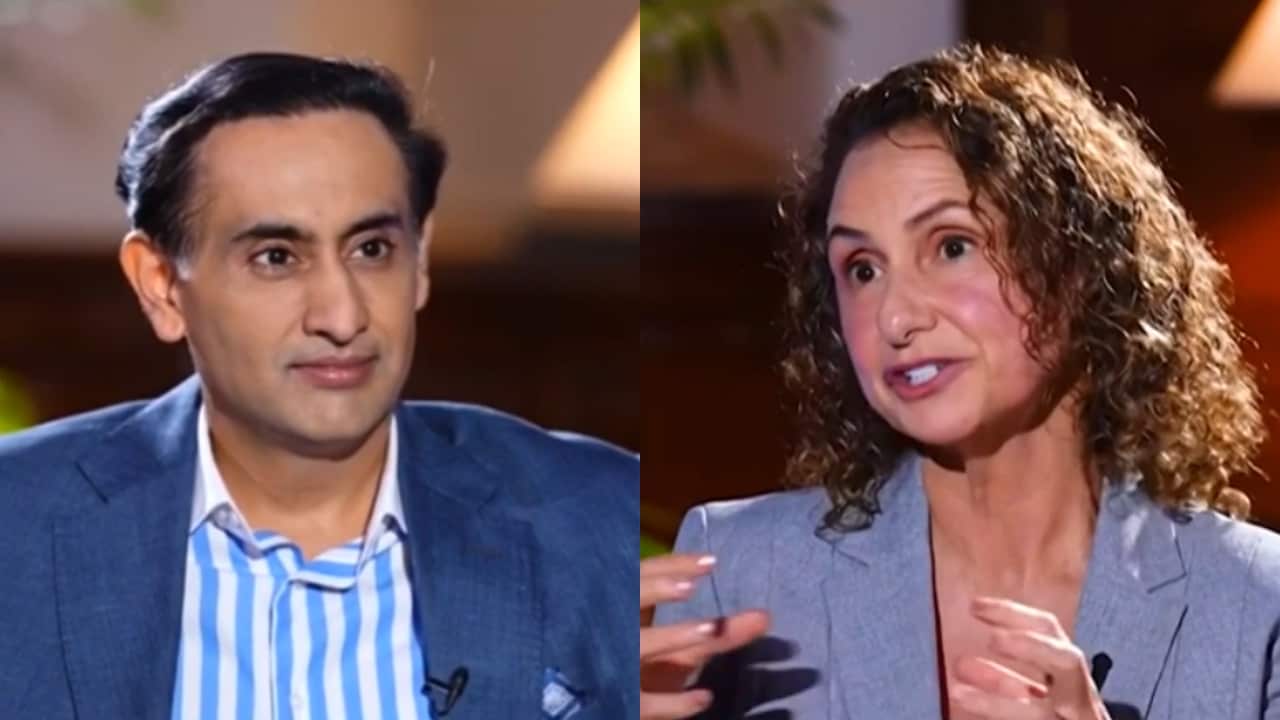
Google DeepMind's Lila Ibrahim emphasizes that young engineers must prioritize adaptability and critical inquiry to navigate AI disruption. She further advocates for robust regulatory frameworks, asserting that the development of safe AI requires exceptional care.
Navigating the AI Frontier: Insights from DeepMind
As artificial intelligence continues to reshape the global labor market, the guidance provided by industry leaders like Lila Ibrahim, COO of Google DeepMind, offers a critical compass for the next generation of technologists. Her recent commentary highlights a pivotal shift in the engineering profession, where technical proficiency is no longer the sole requirement for longevity. Instead, Ibrahim suggests that young engineers must cultivate a mindset centered on critical inquiry, constantly questioning how their contributions align with evolving technological landscapes.
The Imperative of Adaptability
For young engineers entering the workforce today, the primary challenge is not just mastering current coding languages or frameworks, but maintaining agility in the face of rapid disruption. Ibrahim’s emphasis on asking the 'one important question' underscores a shift toward strategic thinking. In an era where AI tools can automate routine technical tasks, the value of the human engineer increasingly lies in their ability to bridge the gap between complex algorithmic outputs and tangible, human-centric problem solving.
The Necessity of Regulatory Oversight
Beyond professional development, Ibrahim brings a sobering focus to the broader societal implications of AI development. Her assertion that AI is 'too important not to regulate' reflects a growing consensus among top-tier AI researchers and executives. The rapid acceleration of generative models and autonomous systems has outpaced traditional legislative efforts, leading to a precarious environment where innovation often precedes safety protocols. By calling for 'exceptional care,' Ibrahim advocates for a proactive, rather than reactive, approach to AI safety.
Balancing Innovation and Responsibility
Historically, the tech industry has often operated under a 'move fast and break things' ethos. However, the scale and potential impact of DeepMind’s work necessitate a departure from this traditional model. Implementing 'exceptional care' implies a multi-layered strategy involving rigorous internal testing, transparency, and collaboration with global policymakers. This cultural shift within AI labs is essential to prevent unintended consequences that could arise from deploying powerful, under-vetted technologies into the public sphere.
Future Trends and Ethical Engineering
Looking ahead, the intersection of engineering and policy will become the defining characteristic of the AI sector. Engineers will increasingly find themselves in roles that require an understanding of ethics, law, and sociology. As DeepMind continues to push the boundaries of what is possible, the industry must mirror this technical ambition with a commitment to responsible stewardship. The future of AI will not be determined solely by the sophistication of our neural networks, but by the integrity and foresight of those tasked with building them.
Conclusion: A New Professional Mandate
In summary, Lila Ibrahim’s insights serve as a dual mandate for the future: young engineers must evolve into critical thinkers to survive industry disruption, and the industry at large must embrace regulation to ensure public safety. By balancing technical rigor with a profound sense of responsibility, the tech community can navigate the complexities of the AI revolution, ensuring that progress remains aligned with human values and societal needs.
Verification Required?