'London Rule' that explains why AI researchers are leaving Google for Anthropic & OpenAI
Source Entity
TOI TECH DESK
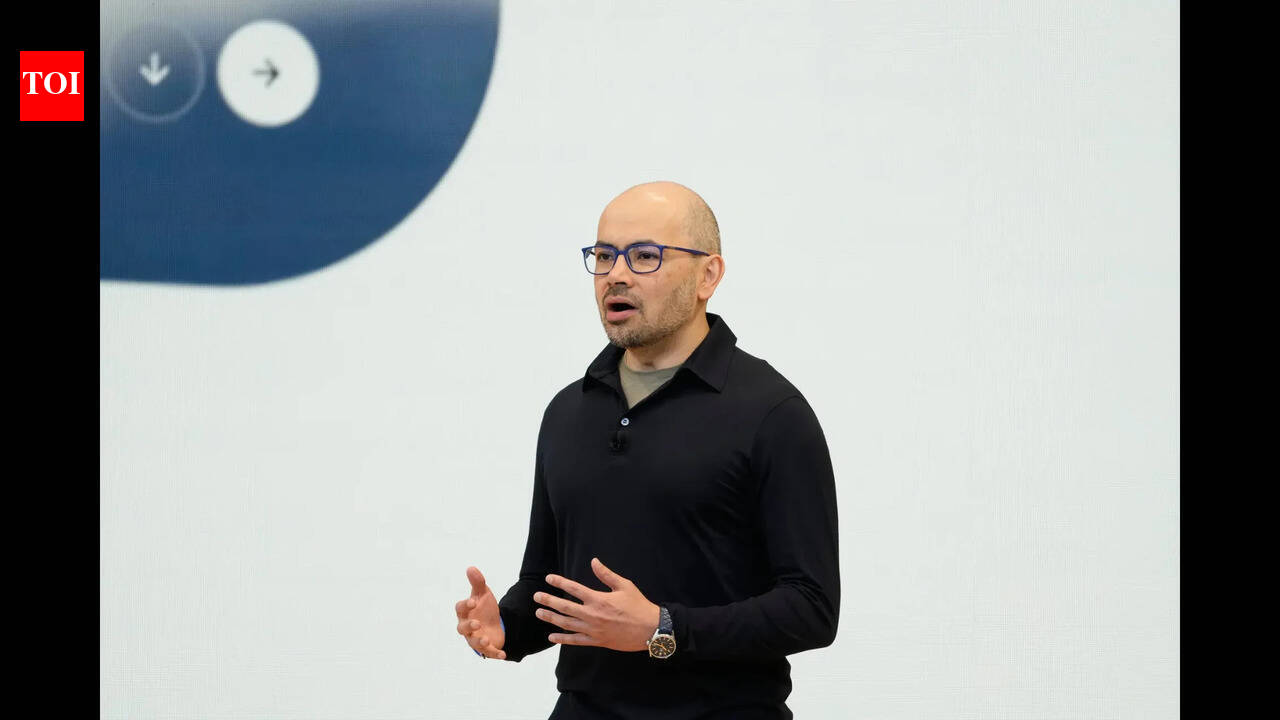
Four senior AI researchers have left Google DeepMind in under two weeks, joining rivals Anthropic and OpenAI. The common thread isn't pay—it's London. UK non-compete rules, enforceable unlike in California, explain why Nobel laureate John Jumper won't start at Anthropic until next year. With compute shifting to Mountain View and pre-IPO equity on offer, Google's London research bench is quietly draining westward.
The Great AI Migration: Analyzing the Exodus from Google DeepMind
The artificial intelligence landscape is currently witnessing a significant shift in talent distribution, characterized by a quiet but steady drain of senior researchers from Google DeepMind's London base toward US-based competitors like OpenAI and Anthropic. The recent departure of four senior researchers within a mere two-week window underscores a systemic vulnerability in Google's talent retention strategy. This movement is not merely a result of poaching or salary wars, but is instead rooted in a complex interplay of regional labor laws, resource allocation, and the financial structures of emerging AI unicorns.
The "London Rule" and the Legal Divide
Central to this exodus is what is being termed the "London Rule," a reference to the stark difference between employment laws in the United Kingdom and those in California. In California, where OpenAI and Anthropic are headquartered, non-compete agreements are largely unenforceable under Business and Professions Code Section 16600. This legal environment fosters a highly fluid labor market, allowing researchers to move between firms almost instantaneously. In contrast, the UK allows for enforceable restrictive covenants that can legally bar an employee from joining a competitor for a specified period.
This legal friction is vividly illustrated by the case of Nobel laureate John Jumper. Despite his immense value to any AI organization, the enforceability of UK non-compete rules means his transition to Anthropic is delayed until next year. For high-level researchers, these "garden leave" periods can be frustrating, but for the firms hiring them, it creates a strategic bottleneck. This discrepancy makes the US a more attractive destination for talent who wish to maintain momentum in the fast-paced AI race, while simultaneously making the UK a riskier place for companies to house their most critical intellectual assets.
The Gravity of Compute and Infrastructure
Beyond the legal hurdles, there is a physical and technical migration occurring. The report highlights that "compute is shifting to Mountain View," referring to the massive GPU clusters and specialized hardware necessary to train next-generation Large Language Models (LLMs). As the scale of AI training grows, the proximity to the hardware and the engineering teams managing that infrastructure becomes a primary driver for researchers. When Google centralizes its most potent compute resources in the US, it inadvertently incentivizes its London-based researchers to relocate to be closer to the "metal," whether that remains within Google US or moves to a rival.
Equity, IPOs, and the Financial Incentive
While the provided context notes that pay isn't the primary driver, the mention of "pre-IPO equity" reveals a deeper financial motivation. Google is a mature, trillion-dollar entity where stock options provide stability but limited exponential growth. Conversely, companies like Anthropic and OpenAI offer equity in entities that are still in their hyper-growth phase. For a senior researcher, the potential for a massive windfall upon an IPO is far more enticing than a high corporate salary. This financial asymmetry creates a powerful pull toward the US startup ecosystem, where the risk is higher but the reward for early-stage success is potentially life-changing.
Strategic Implications for the UK AI Hub
This trend poses a significant threat to London's status as a global hub for AI research. DeepMind was founded in London and served as a beacon for European talent. However, if the "London research bench" continues to drain westward, the UK risks becoming a secondary site for application rather than a primary site for fundamental discovery. The combination of restrictive labor laws and the centralization of compute in the US creates a "perfect storm" that could hollow out the UK's competitive edge in the AI sector.
Conclusion: A Shift in the AI Power Balance
In summary, the migration of talent from Google DeepMind to its rivals is a multifaceted phenomenon. It is driven by the legal constraints of the UK's non-compete culture, the geographical centralization of compute power in California, and the aggressive equity structures of pre-IPO AI firms. Unless there is a strategic shift in how AI talent is managed and resourced in the UK, the center of gravity for AI innovation will likely continue its decisive shift toward the United States, leaving former powerhouses like DeepMind's London office to struggle with talent attrition.