Google announces the Fitbit Edge, a middle ground between Pixel Watch 5 and Fitbit Air
Source Entity
Ryan Whitwam
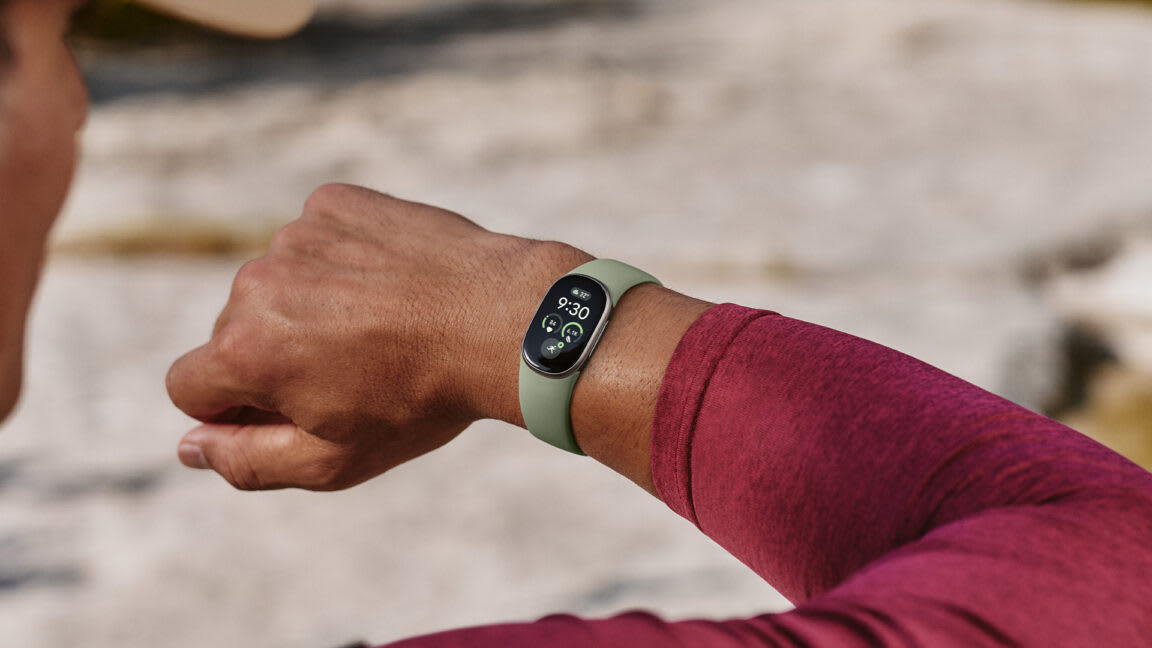
Google has officially launched the Fitbit Edge, a $179.99 fitness tracker positioned between the Fitbit Air and Pixel Watch 5. It features a 46% larger OLED display, integrated Gemini-powered health coaching, and a design aesthetic that bridges the gap between traditional trackers and smartwatches.
The Evolution of the Wearable Middle Ground
Google has officially expanded its wearable ecosystem with the introduction of the Fitbit Edge, a device specifically engineered to bridge the gap between the entry-level Fitbit Air and the flagship Google Pixel Watch 5. By positioning this new tracker at a $179.99 price point, Google is clearly targeting consumers experiencing 'smartwatch fatigue'—users who desire essential notification connectivity and sophisticated health tracking without the complexity or cost of a full-featured smartwatch.
Design and Hardware Advancements
The Fitbit Edge represents a significant design shift from the aging Charge 6. Visually, the device adopts a design language reminiscent of a condensed Pixel Watch, housed in a slender aluminum frame. The most notable hardware improvement is the 1.34-inch OLED touch display, which boasts 46% more viewable area than its predecessor. Despite these enhancements, the device remains practical, featuring a physical side button and an IP68 (5 ATM) rating for water and dust resistance, ensuring it can withstand rigorous daily activity.
Strategic Market Positioning
In the current market landscape, tech manufacturers are finding that users are increasingly polarized between basic activity bands and high-end smartwatches. The Fitbit Edge serves as a strategic middle ground. By offering more health sensors than the Fitbit Air but eschewing the app-heavy nature of the Pixel Watch 5, Google is attempting to capture a specific demographic: the 'fitness-first' user who wants a screen capable of handling map directions, music controls, and weather updates without the distraction of a full smartwatch operating system.
Integration with Gemini AI
A core component of the Fitbit Edge’s value proposition is its deep integration with Google’s artificial intelligence ecosystem. The device supports Google Health Coach, powered by Gemini, which leverages a user's fitness and medical data to generate personalized weekly routines. This feature, which requires a Google Health Premium subscription, demonstrates Google’s commitment to turning raw biometric data into actionable health insights.
Advanced Health Monitoring
Beyond basic step counting, the Edge introduces the 'Health Guardian' feature. This tool is designed to monitor longitudinal changes in health measurements, specifically targeting indicators related to blood pressure. By focusing on trend-spotting rather than just point-in-time metrics, Google is moving the Fitbit brand toward a more proactive, preventative health model, further justifying the device's role as a sophisticated tool for health-conscious individuals.
Future Outlook
The introduction of the Fitbit Edge suggests that Google intends to maintain a tiered product strategy for the foreseeable future. As battery technology advances—the Edge currently offers a week of battery life, or two days with the always-on display enabled—the line between 'tracker' and 'smartwatch' will continue to blur. For now, the Edge provides a reliable, sleek, and AI-enhanced option for those who prioritize health tracking and essential connectivity over the multifaceted, app-centric experience of a premium smartwatch.
Multiple Citing Sources