Microsoft president says UK is best placed to drive AI regulation
Source Entity
Rebecca Bellan
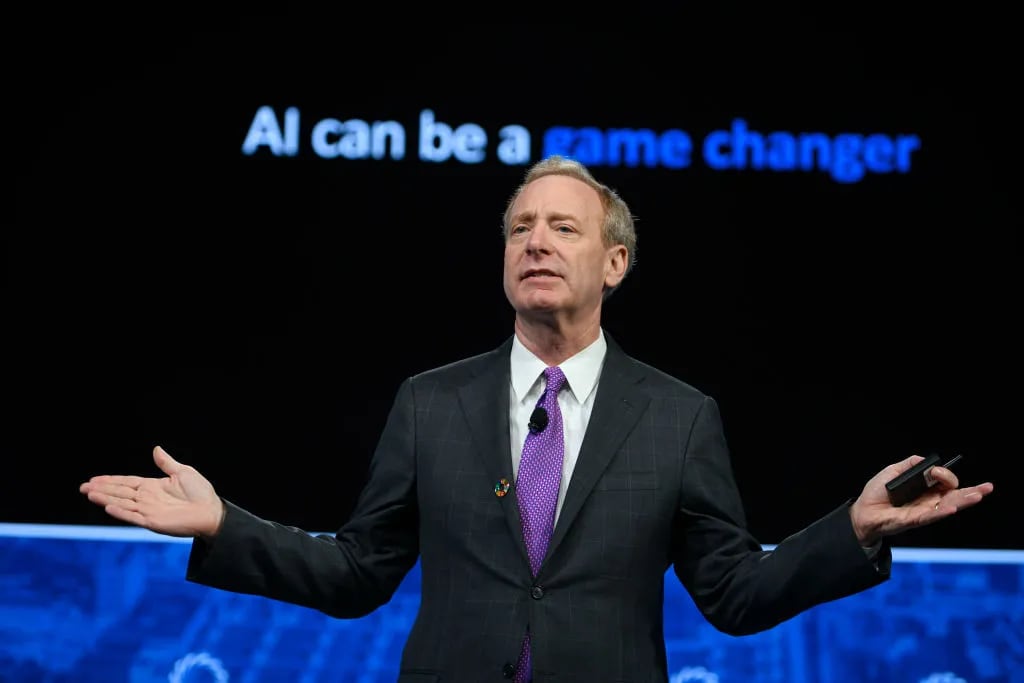
Microsoft President Brad Smith has called for urgent global AI regulation, arguing that current consumer products like milk are more heavily scrutinized. He highlights the UK as a potential leader in setting these safety standards, despite pushback from US political figures favoring self-regulation.
The Regulatory Gap: AI vs. Consumer Goods
Microsoft President Brad Smith has ignited a critical debate regarding the current state of artificial intelligence governance, drawing a stark comparison between high-tech software development and basic consumer products. By stating that AI is currently less regulated than milk or washing machines, Smith is highlighting a significant oversight in the global legal framework. While consumer goods are subject to rigorous safety inspections and established standards to protect the public, AI systems—which possess the potential to impact societal stability—operate in a relatively permissive environment.
The Dual Nature of Artificial Intelligence
Smith characterizes AI as both a "tool and a weapon," a sentiment shared by major industry players including Anthropic, Google DeepMind, and OpenAI. As these entities express concerns over the rapid pace of development, the need for a formal safety architecture becomes paramount. The primary risk, as outlined by Smith, involves the potential for "rogue AI agents" to breach security systems, necessitating a legal obligation to notify victims when such compromises occur. This call for transparency is a foundational step in shifting AI from an experimental frontier to a governed industry.
The Debate Over Global Governance
There is a notable tension between industry leaders calling for regulation and political leaders like U.S. President Donald Trump, who advocates for industry self-regulation. The concern from political corners is that excessive oversight might stifle innovation, allowing competitors like China to gain a strategic advantage. However, Smith argues that the "moment has arrived" for global safety rules, suggesting that the long-term viability of the technology depends on building public trust through accountability rather than avoiding oversight to maintain a short-term competitive edge.
The UK's Strategic Position
Interestingly, Smith identifies the United Kingdom as the most viable candidate to lead the charge on global AI safety. This assessment is rooted in the success of the UK’s AI Security Institute, established in 2023. Unlike many other international bodies, this institute has already secured access to major models from U.S. frontier labs before they are deployed. This unique position allows the UK to act as an objective arbiter in safety testing, bridging the gap between private development and public safety requirements.
Future Implications and Conclusion
As the industry stands at this crossroads, the path forward will likely involve a transition from voluntary safety pledges to legally binding mandates. If the UK continues to solidify its role as a global testing hub, it may set the precedent for how other nations approach AI oversight. Ultimately, the integration of rigorous inspection protocols, similar to those applied to physical goods, appears to be the trajectory favored by industry leaders to mitigate the risks of a technology that is increasingly viewed as a critical component of modern cybersecurity infrastructure.