Googlebooks feel like the first laptops built for Android owners
Source Entity
Dominic Preston
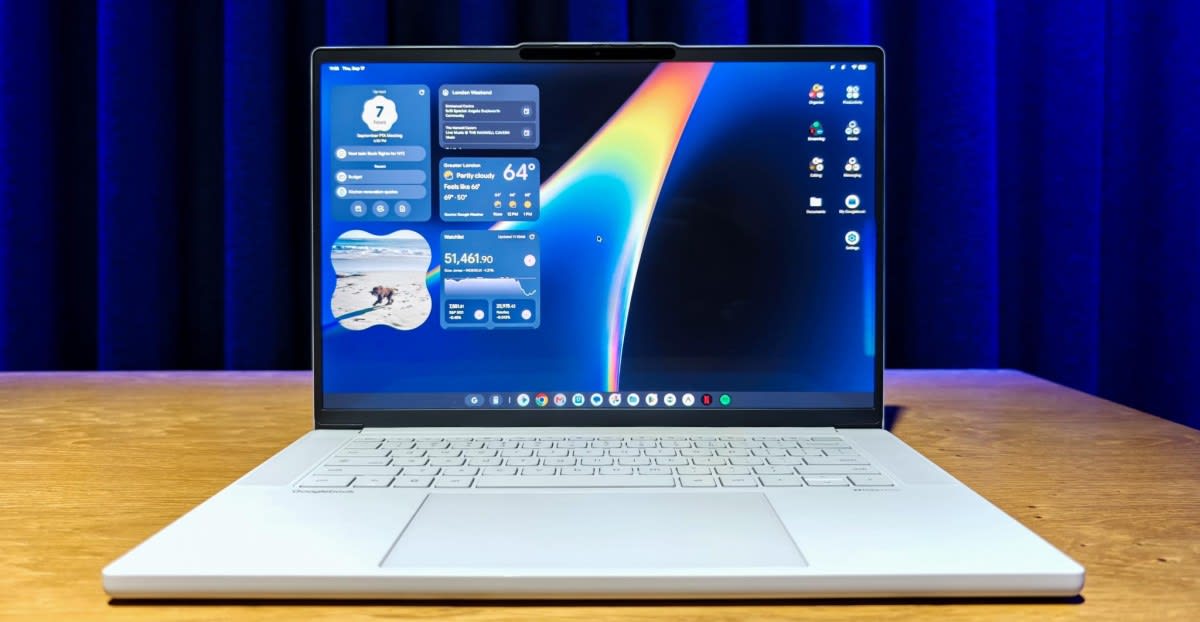
Google has launched its new 'Googlebook' laptop line in partnership with major OEMs, aiming to bridge the gap between Android phones and desktop computing. Starting at $899, these premium devices emphasize deep smartphone integration and long-term software support.
The Emergence of the Googlebook: A New Paradigm in Computing
Google has officially entered the premium laptop market with the launch of the 'Googlebook' line, a strategic departure from its long-standing focus on budget-friendly Chromebooks. By partnering with industry titans—Acer, Asus, Dell, HP, and Lenovo—Google is signaling a shift toward high-end, integrated hardware designed to challenge the dominance of macOS and Windows. With preorders currently open and a retail release date of October 4th, the tech giant is positioning these devices as the definitive choice for the Android ecosystem.
Premium Positioning and Ecosystem Integration
The most striking aspect of the Googlebook launch is its pricing strategy, which starts at $899 and climbs to $1,299. By targeting this price bracket, Google is directly competing with the MacBook Air and premium Windows ultrabooks. This is a significant pivot from the company's previous approach, where it accepted Chromebooks as budget-tier alternatives. These new machines are designed to be 'real' computers, capable of handling robust development tools and on-device applications, effectively moving beyond the limitations of browser-centric computing.
The Android-Laptop Synergy
At the heart of the Googlebook value proposition is seamless integration with Android smartphones. According to John Maletis, Google’s head of laptops and tablets, the design philosophy focuses on creating a unified experience between the phone and the laptop. Users can expect to transition apps between devices, manage mobile notifications centrally, and access phone files directly from the desktop interface. This functionality aims to replicate the ecosystem lock-in that has long benefited Apple’s iPhone-to-Mac workflow.
Software Longevity and Value-Adds
Google is incentivizing early adopters with a comprehensive bundle of services, including 12 months of Google AI Pro with 5TB of cloud storage, alongside trials for YouTube Premium, Adobe Photoshop, and CapCut. Perhaps more importantly, the company has promised up to 10 years of software updates. This commitment to longevity is a direct attempt to justify the premium price point and assure consumers that these machines will remain relevant and secure for a decade, a standard that sets a high bar for the laptop industry.
Market Implications and Future Outlook
While Chromebooks successfully captured the education and entry-level markets, the Googlebook represents Google’s attempt to capture power users and professionals. Whether the market is willing to pay premium prices for an Android-powered laptop remains the central question. If Google succeeds in delivering a fluid experience that effectively merges mobile and desktop workflows, it could fundamentally disrupt how users interact with their primary computing devices, potentially creating a third major pillar in the laptop market alongside Windows and macOS.
Multiple Citing Sources