Fuel prices added to Google Maps as petrol and diesel costs soar
Source Entity
BBC News
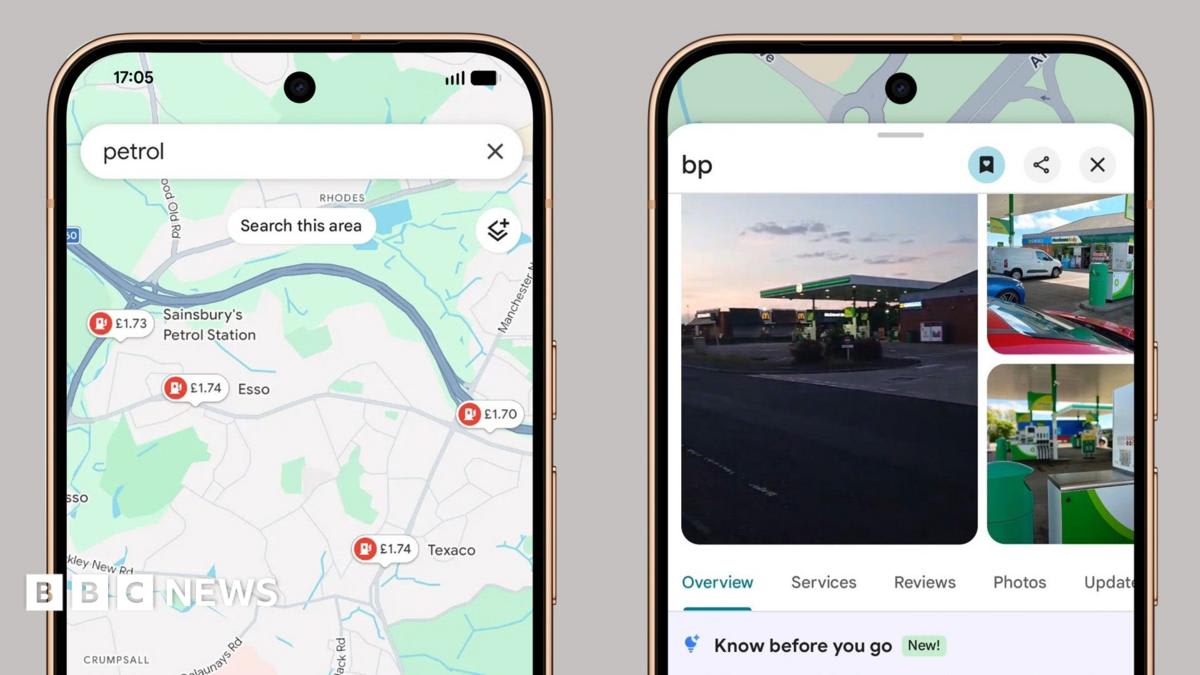
Google Maps has integrated the UK government's Fuel Finder scheme to display real-time petrol and diesel prices. This update aims to assist motorists in finding cheaper fuel amid record-breaking price increases.
Google Maps Integrates Fuel Finder to Combat Soaring Costs
In a significant update for UK motorists, Google Maps has officially integrated real-time pricing data into its navigation interface. By leveraging the government’s Fuel Finder scheme, the application now displays current petrol and diesel costs directly on the map when users search for nearby forecourts. This development arrives at a critical juncture as fuel prices continue to climb, providing a much-needed digital tool for consumers attempting to mitigate the financial impact of record-high energy costs.
The Mechanics of Transparency
The effectiveness of this feature relies on the strict regulatory framework governing the UK’s Fuel Finder scheme. Under current legal requirements, forecourt operators are mandated to update their pricing on the platform within 30 minutes of any adjustment. This ensures that the data presented to Google Maps users is highly accurate and reflective of the current market, reducing the risk of consumers arriving at a station only to find higher-than-advertised prices.
Contextualizing the Fuel Crisis
This rollout follows a grim milestone in the UK energy market, where the price of diesel surpassed the £2 per litre threshold for the first time. RAC policy head Simon Williams characterized this as a psychological and economic barrier that no one wanted to cross, highlighting the severity of the ongoing crisis. The integration of this pricing data into a widely used utility is a direct response to the heightened public concern regarding the affordability of vehicle operation.
The Dominance of Google Maps in Navigation
While various niche applications have long existed to help drivers compare fuel prices, the integration into Google Maps represents a paradigm shift in accessibility. According to data from the communications regulator Ofcom, Google Maps is utilized by 77% of the British adult population for general navigation. By embedding fuel pricing into an app that users already rely on daily, Google effectively democratizes access to financial information, allowing for effortless comparison shopping during routine commutes.
Broader Implications and Future Trends
This move signals a broader trend toward integrating real-time economic data into essential public utilities. As digital platforms become the primary interface for physical world navigation, the expectation for these services to provide real-time cost-saving information will likely grow. The partnership between the government and big tech to provide this data suggests a future where navigation apps serve not just as pathfinders, but as active tools for personal financial management against volatile global energy markets.