Missing for 2.5 years, presumed dead: How Google Translate reunited a family across 3 states
Source Entity
Ankita Deshkar
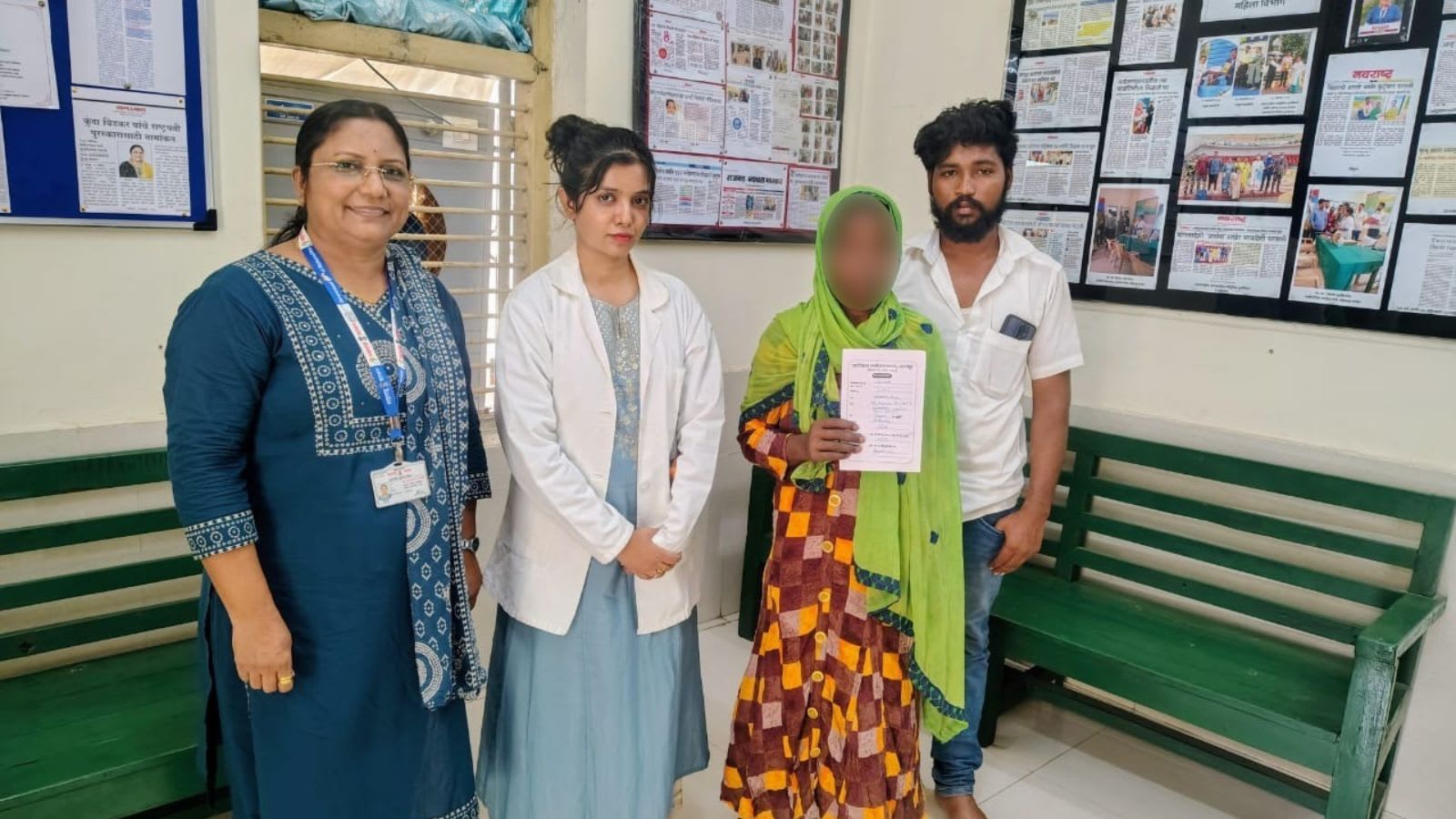
A woman missing for over two-and-a-half years is reunited with her family after officials at Nagpur's Regional Mental Hospital, police, government authorities and an NGO traced her identity across Mah...
A Triumph of Technology and Empathy: The Reunion of a Lost Soul
In a poignant intersection of human resilience and digital innovation, a woman who had been missing for over two and a half years—and was long presumed dead by her grieving family—has been reunited with her loved ones. The case, which spanned three different Indian states, highlights the harrowing reality of missing persons cases involving mental health crises and the critical role that inter-agency cooperation and modern technology can play in resolving such tragedies. This event serves as a powerful testament to the fact that even when hope seems entirely lost, the synergy of social work and technology can bridge the most daunting gaps.
The Challenge of Linguistic Isolation and Mental Health
One of the most significant hurdles in this case was the language barrier. In a country as linguistically diverse as India, a person suffering from a mental health crisis who wanders across state borders often becomes 'unidentified' simply because they cannot communicate their origin or identity in the local tongue. The woman in this instance had drifted across state lines, eventually landing in the care of Nagpur's Regional Mental Hospital. For months, her identity remained a mystery, as the cognitive impairment associated with her condition, coupled with the regional language gap, created a wall of silence that prevented her from returning home.
Google Translate: From Utility Tool to Lifeline
The turning point in this narrative was the strategic use of Google Translate. While typically viewed as a tool for tourists or business professionals, the application became a vital communication bridge in this humanitarian effort. By utilizing real-time translation, officials and NGO workers were able to decode fragments of information and communicate with the woman in a way that bypassed the linguistic divide. This allowed the authorities to gather crucial clues about her hometown and family, proving that AI-driven translation tools can have profound real-world applications in social services and emergency response, effectively giving a voice to the voiceless.
The Power of Inter-Agency Collaboration
Beyond the technology, the success of this reunion rested on a complex network of collaboration. The coordination between Nagpur's Regional Mental Hospital, the local police, government authorities, and a dedicated NGO demonstrates the necessity of a multidisciplinary approach to missing persons cases. Often, such cases fail because of bureaucratic silos where hospitals, police departments, and NGOs do not share data effectively. In this instance, the seamless flow of information across state borders ensured that once the identity was suspected, it was verified and acted upon swiftly, preventing the woman from slipping further into anonymity.
Broader Implications for Missing Persons in India
This event sheds light on a systemic issue within the Indian social infrastructure: the lack of a centralized, real-time national database for missing and unidentified persons. Many individuals with dementia, schizophrenia, or other mental health conditions wander away from home and end up in shelters or hospitals across the country without a way to be traced. This case underscores the urgent need for integrated digital registries that combine facial recognition and linguistic data to accelerate the process of reunification, reducing the time families spend in the agony of uncertainty.
Future Trends: AI and the Humanization of Social Work
Looking forward, we can expect a shift where AI tools are more deeply integrated into the workflows of NGOs and state-run hospitals. From AI-powered image matching to sophisticated translation software, the 'digital toolkit' for social workers is expanding. However, as this case proves, technology is most effective when paired with human empathy and persistence. The future of missing persons recovery lies in 'Tech-Enabled Empathy,' where digital tools remove the friction of logistics and language, allowing human caregivers to focus on the emotional and psychological rehabilitation of the reunited individuals.
Conclusion
The reunion of this woman with her family after 30 months of separation is more than just a heartwarming story; it is a blueprint for how modern challenges can be solved through a combination of institutional willpower and technological agility. By leveraging a simple translation app and fostering cross-state cooperation, authorities turned a presumed tragedy into a miracle, reminding us that no one is truly 'lost' as long as there are systems in place to find them.