Google’s biggest clean power project is 40 miles north of xAI’s unpermitted gas power plant
Source Entity
Tim De Chant
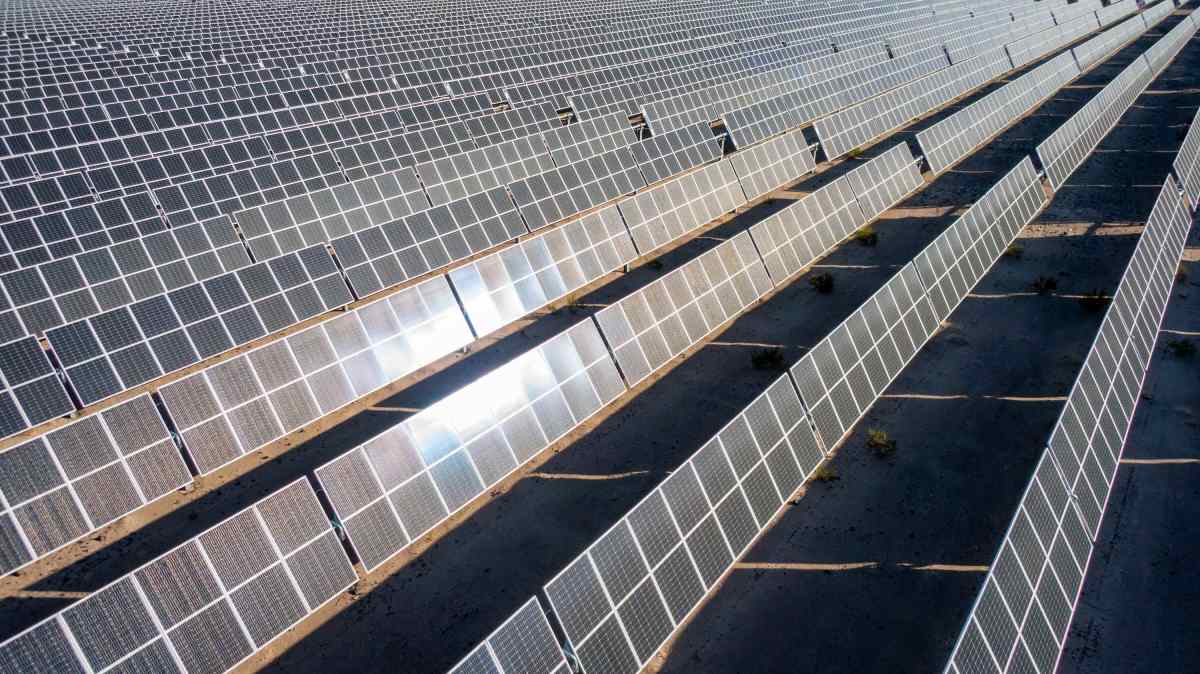
A stark contrast in AI infrastructure strategy has emerged, with Google's massive solar and battery storage project located just 40 miles from an unpermitted gas power plant operated by Elon Musk's xAI, highlighting the tension between sustainability goals and the urgent energy demands of generative AI.
The AI Energy Paradox: Sustainability vs. Speed
The recent revelation that Google's largest clean energy installation sits a mere 40 miles away from xAI's unpermitted gas-fired power plant serves as a potent symbol of the current conflict within the artificial intelligence sector. As the race to build larger, more capable Large Language Models (LLMs) intensifies, the physical infrastructure required to support these systems—specifically power—has become the primary bottleneck. This geographical proximity highlights two diametrically opposed philosophies regarding the environmental and regulatory costs of technological progress.
Google's Long-Term Sustainable Architecture
Google's investment in a massive solar and battery project is not an isolated event but part of a broader corporate strategy to achieve 24/7 carbon-free energy. By integrating battery storage with solar arrays, Google is attempting to solve the 'intermittency problem'—the fact that solar power is only available during the day. This approach demonstrates a commitment to systemic sustainability, ensuring that the massive compute loads required for AI training and inference do not result in a net increase in carbon emissions. This strategic foresight positions Google to avoid future regulatory penalties and align with global climate goals, though it requires significantly more planning and capital investment upfront.
xAI and the 'Move Fast' Infrastructure Model
In contrast, the report of xAI utilizing an unpermitted gas power plant suggests a 'move fast and break things' approach applied to physical energy infrastructure. For a startup like xAI, the priority is the rapid deployment of compute clusters (such as the Colossus cluster) to keep pace with industry giants. Gas power provides a stable, high-density energy source that can be brought online much faster than utility-scale renewable projects. However, the 'unpermitted' status of the plant indicates a willingness to bypass standard regulatory frameworks to achieve speed, creating a precarious legal and environmental situation that contrasts sharply with Google's compliant, long-term planning.
Regulatory Friction and Environmental Impact
The 40-mile gap between these two sites represents more than just distance; it represents a regulatory divide. While Google works within the framework of clean energy credits and grid modernization, xAI's approach risks aggravating local environmental concerns and straining municipal relationships. The use of gas power, particularly without proper permits, introduces localized pollution and greenhouse gas emissions that directly contradict the 'green' branding often associated with the tech industry. This disparity is likely to trigger increased scrutiny from environmental agencies and local governments who must balance the economic benefits of AI hubs with the health and safety of their residents.
Broader Implications for the Global Power Grid
This clash underscores a looming crisis for global energy grids. The exponential growth of AI is driving power demand to levels that current infrastructure was not designed to handle. When companies opt for rapid, fossil-fuel-based solutions over sustainable ones, they may solve a short-term capacity problem but exacerbate a long-term climate problem. We are seeing a trend where AI companies are no longer just software entities but are becoming major energy players, effectively acting as utility companies to ensure their survival in the AI arms race.
Conclusion: The Future of AI Power
Ultimately, the proximity of Google's clean energy project to xAI's gas plant illustrates the precarious balance between ecological responsibility and competitive urgency. While xAI's aggressive tactics may provide a short-term speed advantage in model training, Google's sustainable infrastructure is better suited for a world of tightening carbon regulations. As the industry evolves, the winner may not be the one with the most GPUs, but the one who can secure a stable, legal, and sustainable power source without compromising the environment.