Gorakhpur varsity V-C booked for Bareilly farmer’s suicide: ‘Tried to grab land’
Source Entity
Manish Sahu
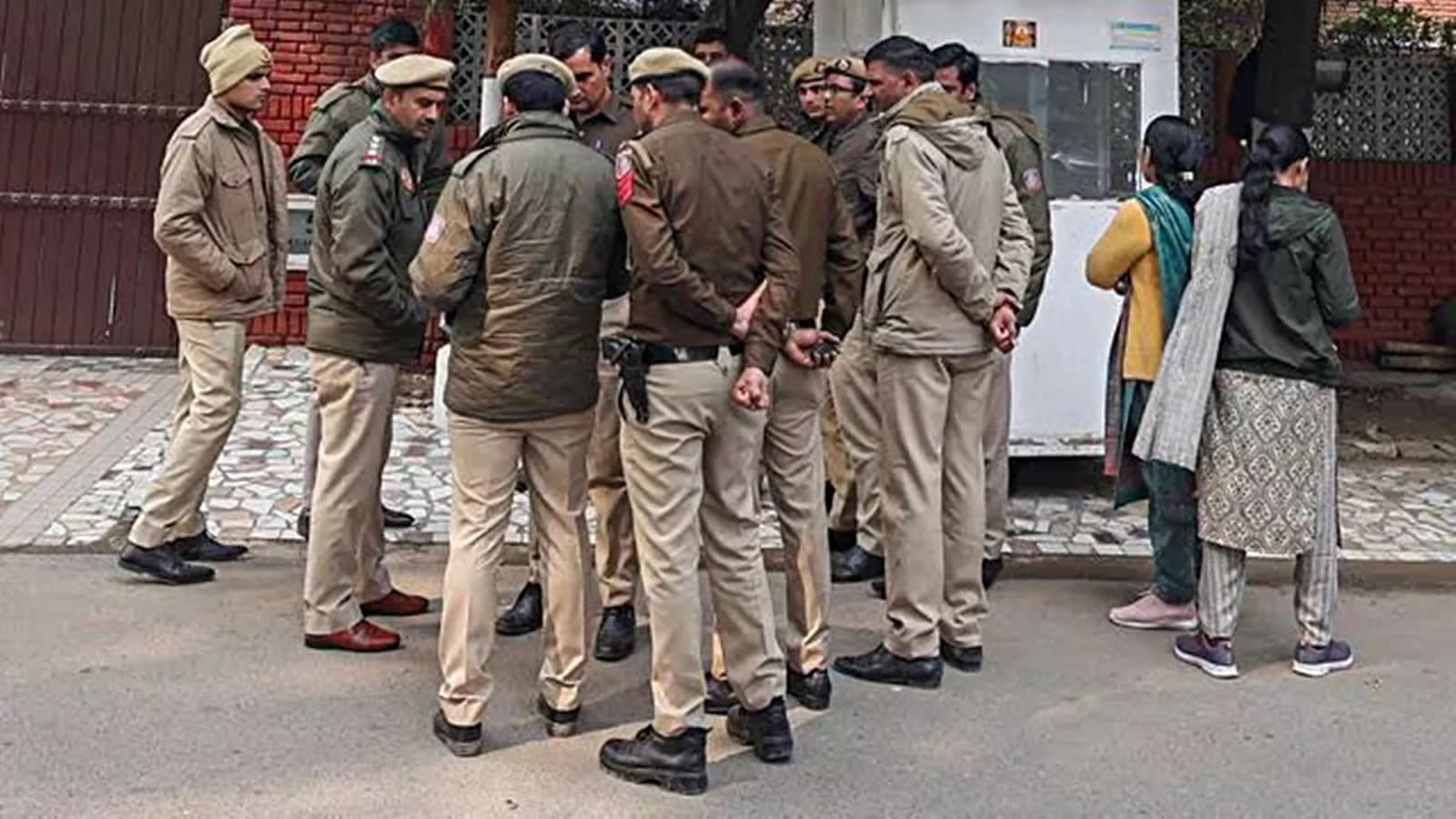
A 55-year-old farmer, Bhagwan Singh, died by suicide in Bareilly following a prolonged land dispute. Police have filed an FIR against four individuals, including the Vice-Chancellor of Deen Dayal Upadhyay Gorakhpur University, for alleged abetment and fraud.
The Tragic Case of Bhagwan Singh: A Crisis of Power and Land
The recent registration of an FIR against the Vice-Chancellor of Deen Dayal Upadhyay Gorakhpur University, Krishna Pal Singh, marks a significant escalation in a long-standing land dispute in Bareilly. The death of 55-year-old Bhagwan Singh, who took his own life, has cast a spotlight on the alleged misuse of institutional influence in private property matters. This event highlights the precarious nature of land ownership for rural citizens when pitted against individuals holding positions of significant administrative and social power.
Allegations of Fraud and Conspiracy
At the heart of the legal proceedings is the claim that the accused leveraged their professional standing to orchestrate a criminal conspiracy. The victim’s family contends that KP Singh, who previously served as the vice-chancellor of Rohilkhand University, utilized his influence to manipulate revenue officials. The core of the dispute involves agricultural land in Pachpera village, which Bhagwan Singh had purchased in 1995. The family alleges that the accused sought to fraudulently execute a sale deed, effectively stripping the farmer of his legitimate property rights through systemic corruption.
The Intersection of Academia and Local Governance
This case raises critical questions regarding the conduct of public officials and the integrity of revenue departments. By involving the head of a major university, the incident underscores the broader trend of elite figures allegedly intervening in local land markets. The transition of KP Singh from his tenure at Rohilkhand University to his current role at Gorakhpur University suggests a career trajectory that, according to the allegations, provided the necessary leverage to navigate and influence local bureaucratic processes in Bareilly.
Legal Implications and Accountability
The police investigation, which has invoked charges of abetment of suicide and cheating, indicates a serious approach to the victim’s family's claims. Abetment of suicide is a grave criminal charge in India, requiring proof that the accused's actions directly drove the victim to take their own life. As the investigation progresses, the focus will likely remain on the documentation surrounding the 1995 sale deed and the alleged connivance with revenue officials, which could implicate a wider network of local administration beyond the four named suspects.
Broader Socio-Economic Impact
This tragedy reflects the systemic challenges faced by farmers in India, where land is not just a source of income but a fundamental form of social security. When disputes arise, the disparity in power between a marginalized farmer and a high-ranking academic administrator can create an insurmountable barrier to justice. The outcome of this case will serve as a litmus test for the local judiciary and police in their ability to hold influential figures accountable for actions that allegedly compromise the rights of the rural population.
Conclusion
The death of Bhagwan Singh is a somber reminder of the human cost of land disputes. As the legal process unfolds, the public will be watching to see whether the administration can provide a fair and transparent inquiry into the alleged criminal conspiracy. Protecting the rights of landowners against the potential overreach of those in power remains essential for maintaining public trust in both academic leadership and the local administrative machinery.