Deepam row: TN govt apologises in SC, cites lack of temple board approval
Source Entity
AYUSH PANDEY
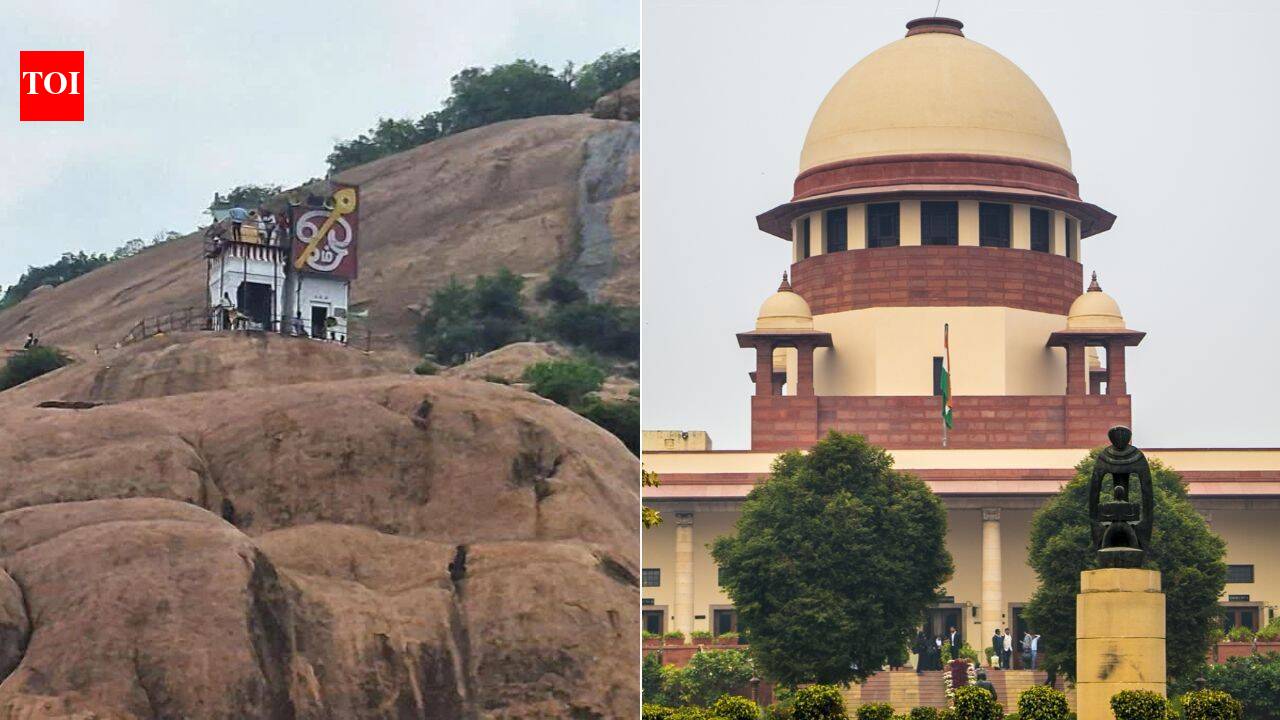
The Karthigai Deepam festival saw large-scale celebrations in Tiruvannamalai alongside controversy and legal tensions in Thirupparankundram. While the Maha Deepam was lit successfully in Tiruvannamalai, administrative disputes regarding the traditional versus new lighting spots persisted in Madurai.
The Significance of Karthigai Deepam: Tradition and Tensions
The Karthigai Deepam festival, a significant spiritual event in Tamil Nadu, witnessed a blend of massive public devotion and complex legal-administrative friction this year. In Tiruvannamalai, the Arunachaleswarar Temple became the epicenter of a massive gathering, where thousands of devotees chanted 'Arunachaleshwara' to mark the culmination of the festival. The successful lighting of the 'Maha Deepam' at 6 p.m. on Tuesday served as a powerful testament to the enduring cultural and religious hold this festival maintains over the populace.
The Tiruvannamalai Celebration
The festivities in Tiruvannamalai, which commenced on November 15 with a flag hoisting ceremony, followed a strictly observed ritualistic timeline. The day was punctuated by the 'Bharani Deepam' at 4 a.m., attended by state officials including the Minister for Hindu Religious and Charitable Endowments, S. Ramesh, and District Collector Vandhana Garg. This orderly execution highlights the state’s role in managing large-scale religious gatherings, ensuring that the spiritual requirements of the devotees are balanced with administrative oversight.
The Thirupparankundram Controversy
Conversely, the situation in Thirupparankundram presented a stark contrast, marked by legal challenges and protests. While the Supreme Court had issued a directive allowing for a 'limited one-time arrangement' to light the deepam at a newly identified spot, the administration ultimately chose to light the lamp only at the traditional location. This decision triggered immediate backlash, with BJP leaders and various Hindu outfits staging protests at the foothills, arguing that the government had failed to comply with the court's mandate.
Legal and Administrative Implications
The Madurai Bench of the Madras High Court had been closely monitoring the situation, with Madurai Collector Nishant Krishna having previously provided an undertaking to comply with the Supreme Court's orders. The failure to implement the specific court-directed 'new' location has set a precedent for future litigation regarding temple administration. The temple authorities defended their stance by asserting that all rituals are governed by 'Agama' rules, prioritizing ancient religious codification over modern administrative or judicial directives.
Political Polarization
The event has underscored the deep political divide surrounding temple management in the state. While opposition parties and Hindu groups decried the defiance of the Supreme Court order, ruling government allies—including the Left parties, VCK, and MDMK—praised the administration for upholding tradition. This incident reflects a broader trend where religious festivals in India are increasingly becoming sites of political contestation, where 'tradition' is weighed against 'judicial reform'.
Future Outlook
Moving forward, the friction seen in Thirupparankundram suggests that the intersection of 'Agama' rules and modern judicial intervention will remain a flashpoint. As the state continues to manage these sensitive sites, the demand for clear, legally binding frameworks that respect both religious sentiment and the rule of law will likely intensify. The events of this year’s Karthigai Deepam serve as a reminder that the preservation of heritage is rarely a simple task, especially when it involves competing interpretations of law, faith, and administrative responsibility.