Maharashtra govt to introduce tougher law against exam malpractices during winter session: Fadnavis
Source Entity
Latest News: Todays Latest News Headlines from India & World | Hindustan Times
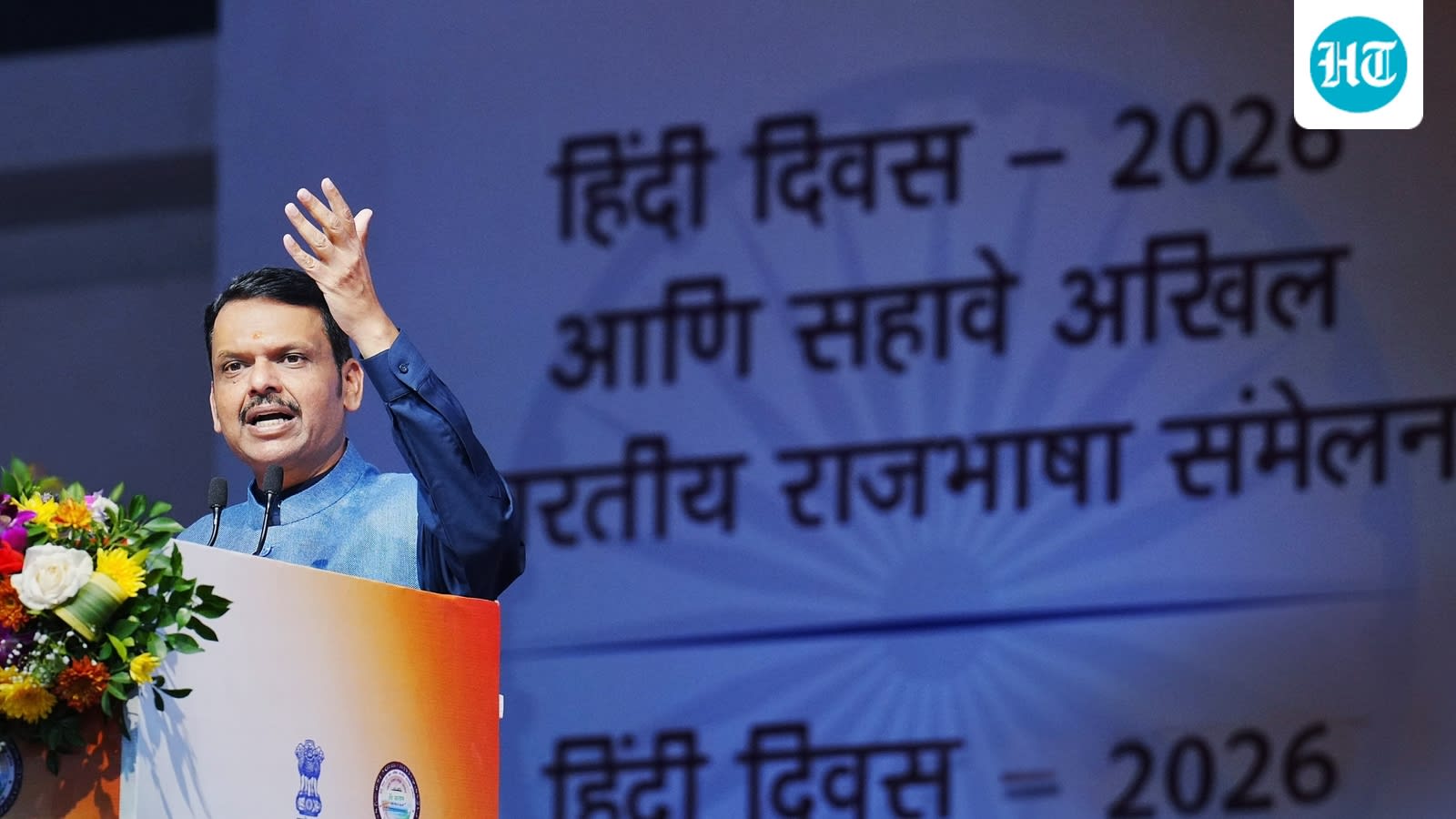
The Maharashtra government is set to introduce a stringent law against exam malpractice, proposing up to 10 years of jail and a Rs 10 crore fine. These measures, recommended by a high-level committee, aim to curb recruitment fraud and protect the integrity of state examinations.
Maharashtra’s Legislative Crackdown on Exam Malpractice
The Maharashtra government is taking decisive steps to restore the sanctity of public recruitment examinations, responding to systemic challenges regarding paper leaks and organized fraud. A high-level committee, chaired by Additional Chief Secretary V. Radha, has submitted a comprehensive second report proposing significant amendments to the Maharashtra Competitive Examinations (Prevention of Improper Means) Act, 2024. These recommendations signify a major shift in the state's approach, moving from punitive measures that were previously seen as insufficient toward a more robust, deterrent-based legal framework.
Escalating Penalties and Financial Liability
Under the proposed amendments, the consequences for organized exam malpractice are set to become exceptionally severe. The committee has recommended increasing jail terms to between 7 and 10 years, coupled with a minimum fine of Rs 10 crore—a ten-fold increase from the previous Rs 1 crore threshold. Beyond the standard fine, offenders will be held financially accountable for the losses incurred during the examination process, and the state may move to confiscate properties linked to the illicit activities. This multi-pronged financial strategy aims to dismantle the economic incentives that currently fuel organized examination rackets.
Accountability for Service Providers
The committee’s focus extends beyond individual perpetrators to the infrastructure supporting recruitment exams. Service providers—often private entities contracted to manage the logistics of large-scale testing—now face significantly heightened scrutiny. The proposed changes include a five-fold increase in potential fines, capping at Rs 5 crore, and a mandatory blacklisting period of eight years for any provider found involved in malpractice. By raising the stakes for these vendors, the government aims to ensure that the private sector maintains the highest standards of operational security and integrity.
Legislative Timeline and Government Commitment
Chief Minister Devendra Fadnavis has signaled the government's intent to translate these recommendations into law during the upcoming winter session of the state assembly, scheduled from December 7 to 18 at Vidhan Bhavan in Nagpur. This urgency underscores the administration's recognition that the current regulatory environment is inadequate to address the evolving sophistication of examination fraud. By prioritizing this legislation, the government aims to rebuild public trust in the meritocratic recruitment process.
Broader Implications and Future Outlook
The move by the Maharashtra government reflects a national trend where states are increasingly adopting stringent legislation to combat the plague of paper leaks that threaten the career prospects of millions of youth. By focusing on both criminal liability and the confiscation of assets, the state is setting a precedent that may influence how other jurisdictions approach similar crises. As the state moves toward passing these laws, the focus will remain on implementation efficacy and whether these harsh penalties will successfully deter the entrenched networks that have long plagued the recruitment landscape.
Verification Required?