Government planning survey on child labour, Parliament committee wants to see ‘real impact’ of welfare schemes
Source Entity
Siddharth Upasani
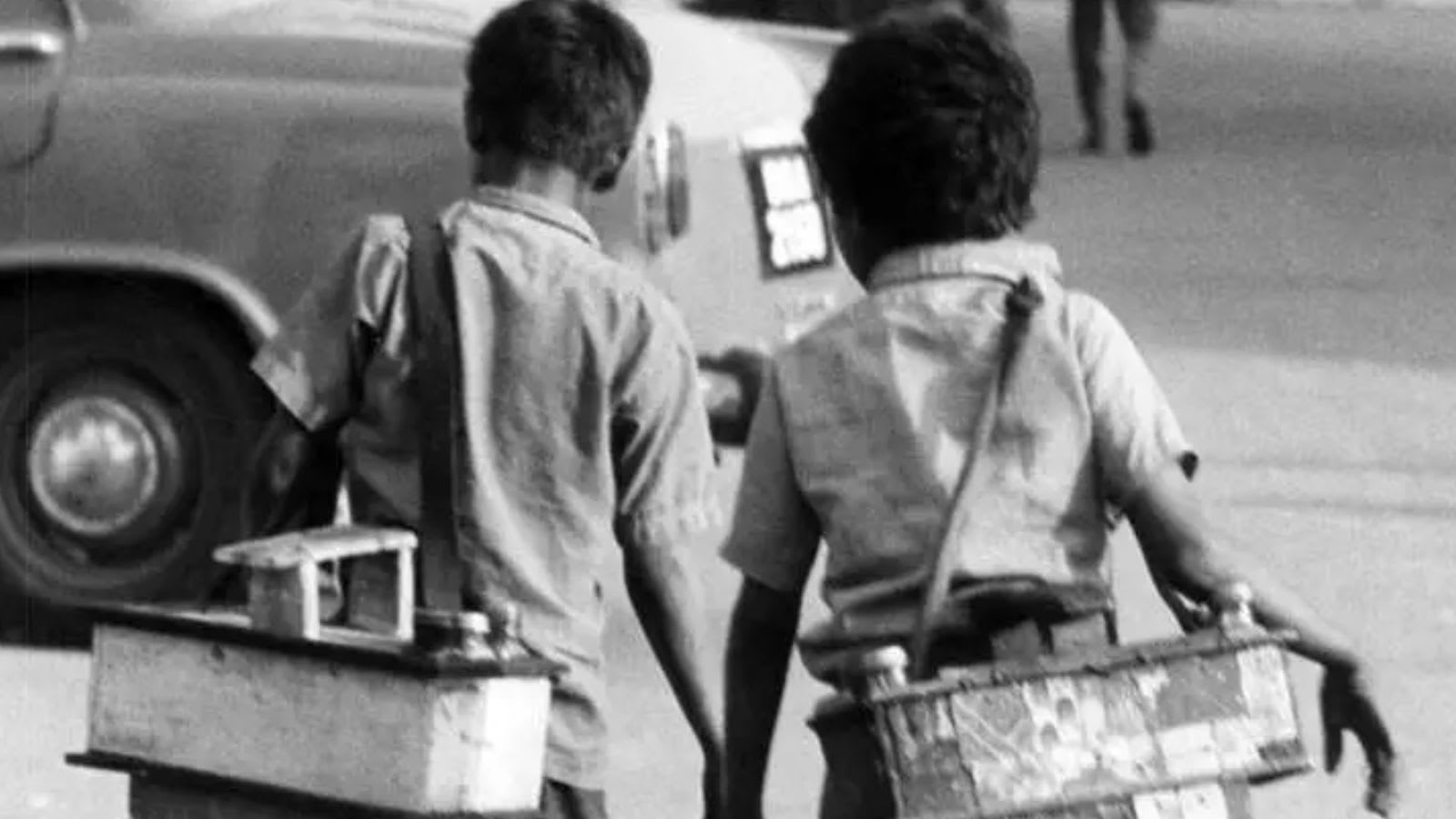
The Indian government is initiating a National Child Survey to address gaps in child labour data and welfare implementation. This move follows a Standing Committee on Finance report highlighting the need for better coordination and impact assessment of schemes like Mission Vatsalya.
Addressing the Data Gap in Child Welfare
The central government’s move to conduct a National Child Survey marks a pivotal shift in how India approaches the persistent challenge of child labour. While the nation possesses a robust legal framework intended to protect minors, the Standing Committee on Finance has underscored that the abolition of child labour remains a complex, ongoing struggle. The primary obstacles identified include significant coordination gaps between various administrative bodies and a critical absence of updated, granular data. Without a clear picture of the current landscape, policy interventions often struggle to reach the most vulnerable populations effectively.
Integrating Data with Mission Vatsalya
Central to this initiative is the collaboration between the Ministry of Statistics and Programme Implementation (MoSPI) and the Ministry of Women and Child Development (MoWCD). The proposed survey is designed to map the specific needs of children under the umbrella of Mission Vatsalya—the revamped iteration of the former Integrated Child Protection Scheme. By focusing on children in need of care and protection, as well as juveniles requiring legal and social rehabilitation, the government aims to move beyond broad policy strokes toward targeted, needs-based support.
The Role of the Standing Committee on Finance
The involvement of the Standing Committee on Finance highlights a growing demand for fiscal and operational accountability. By tabling the 42nd report, the committee has signaled that welfare schemes must not only exist on paper but must demonstrate a measurable 'real impact' on the ground. This shift toward data-driven governance suggests that future budgetary allocations for child welfare will be increasingly tied to the successful identification and rehabilitation of at-risk youth.
Challenges in Policy Implementation
The complexity of child labour in India is deeply rooted in socioeconomic factors that transcend simple legislative prohibition. Coordination gaps have historically hindered the transition of children from hazardous labor environments into educational and social support systems. By prioritizing a national survey, the government is acknowledging that existing administrative silos must be dismantled to ensure that the legal protections afforded to children are effectively enforced at the district and village levels.
Future Outlook and Policy Trajectory
Looking ahead, the success of this survey will depend on the government's ability to maintain a dynamic and updated database that can adapt to changing social realities. If implemented effectively, this data-gathering exercise could provide the empirical foundation necessary to refine Mission Vatsalya, ensuring that resources are allocated where they are needed most. This represents a long-term commitment to evidence-based policymaking, which is essential for systemic change in the protection of India’s children.
Conclusion
In summary, the transition toward a more rigorous, survey-led approach reflects an essential evolution in India's child welfare strategy. By addressing the lack of updated data and focusing on the tangible impact of welfare schemes, the government is taking a proactive step to bridge the gap between policy intent and social reality. This initiative is a critical component in the broader effort to eliminate child labour and improve rehabilitation outcomes for the nation's youth.