Hyderabad's NALSAR students oppose CJI Surya Kant as convocation chief guest
Source Entity
MANVI VYAS
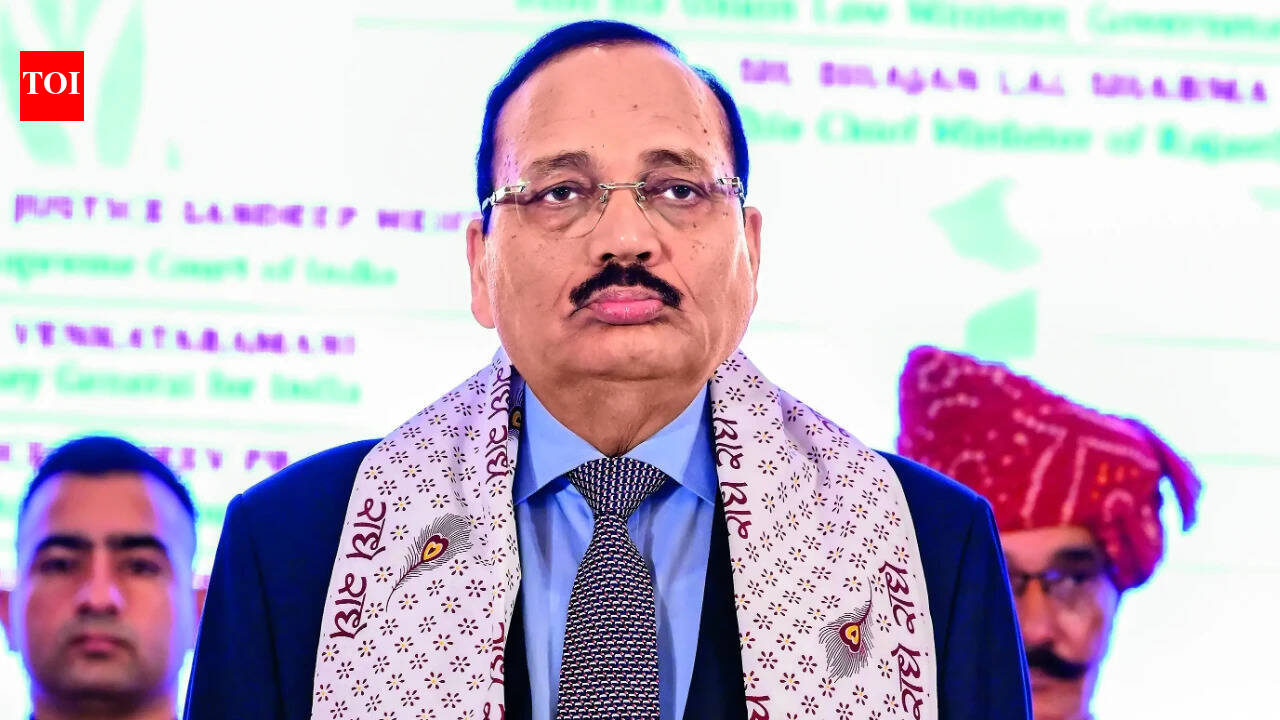
NALSAR University students are protesting the potential invitation of Chief Justice of India Surya Kant as their convocation chief guest. The opposition stems from the CJI's dismissive remarks during a hearing regarding police conduct during recent protests.
NALSAR Student Dissent: A Clash of Values and Judicial Conduct
Students at the National Academy of Legal Studies and Research (NALSAR) in Hyderabad are currently engaged in a significant act of institutional protest, formally requesting that the university administration reconsider inviting Chief Justice of India (CJI) Surya Kant as the chief guest for their upcoming convocation. The movement, which spans multiple cohorts including the outgoing LLB and LLM batches, underscores a growing friction between the student body’s commitment to constitutional principles and the perceived conduct of the judiciary in high-profile matters.
The Catalyst: Disputed Judicial Remarks
The primary grievance articulated by the students centers on specific remarks attributed to the CJI during a court hearing concerning alleged police excesses against ‘Chalo Sansad’ and NEET-related protesters at Jantar Mantar. During these proceedings, the CJI’s reported statement, “We are not interested in videos; we don’t have time to watch,” has been perceived by the student body as a dismissive stance toward documented evidence of state-sanctioned violence. For law students trained to weigh evidence, such a comment is seen as contradictory to the judicial duty of ensuring justice and accountability.
Institutional Traditions vs. Student Advocacy
Historically, NALSAR has maintained a tradition of inviting the incumbent CJI to deliver the convocation address, symbolizing the prestige and foundational role of the judiciary in legal education. However, the current dissent suggests that students are increasingly prioritizing ideological alignment over administrative tradition. By submitting multiple formal representations to the Vice Chancellor and Registrar, the approximately 450 participating students are forcing the administration to choose between maintaining established protocols and respecting the collective voice of the academic community.
Broader Implications for Legal Pedagogy
This incident reflects a broader trend in Indian legal education where students are increasingly active in social and political spheres. The NALSAR campus has shown prior solidarity with protest movements, such as the hunger strike by educationist Sonam Wangchuk and the NEET protests. When students perceive that the highest judicial office is failing to uphold the values of transparency and protection of fundamental rights, it creates a crisis of confidence in the very legal systems they are preparing to enter as practitioners.
The Path Forward and Future Trends
As the university administration has yet to formally confirm the convocation guest or respond to the students' demands, the situation remains fluid. This standoff highlights a burgeoning trend where academic institutions are no longer insulated from the political and moral criticisms of their students. The outcome of this protest will likely set a precedent for how prestigious law schools handle the tension between inviting state figureheads and addressing student concerns regarding the judiciary’s role in contemporary civil rights disputes.
Conclusion
The call to reconsider the CJI's invitation serves as a powerful testament to the students' commitment to the integrity of the law. By challenging the status quo, the NALSAR student body is not merely protesting an individual but is engaging in a critique of the judicial process itself. Whether the administration adjusts its plans or adheres to tradition, the event has already sparked a vital conversation about the responsibilities of judicial leaders and the role of law schools as bastions of principled dissent.